In the world of ultra-high-resolution photography and video, selecting a camera that delivers sharp detail, accurate color, and reliable performance is essential. This guide highlights five standout options that balance resolution, autofocus, and workflow efficiency for enthusiasts and professionals alike. From full-frame mirrorless bodies to premium high-megapixel models and cutting-edge 8K capability, these picks cover a range of uses—from weddings and events to studio work and content creation.
Summary of chosen products:
| Product | Brand | Key Feature | Amazon Link |
|---|---|---|---|
| Nikon Z 7II with Zoom Lens | Nikon | 45.7MP sensor, fast AF, dual card slots | View |
| Nikon COOLPIX P1100 Superzoom | Nikon | 125x optical zoom, 4K video, image stabilization | View |
| Nikon D7500 DX-Format DSLR | Nikon | 20.9MP DX sensor, 4K video, robust build | View |
| XNSIAKXA 8K Digital Camera | XNSIAKXA | 8K resolution, 88MP sensor, dual-lens | View |
| SanDisk Memory Card | SanDisk | High-speed, reliable storage for 4K/8K shoots | View |
Nikon Z 7II With Zoom Lens
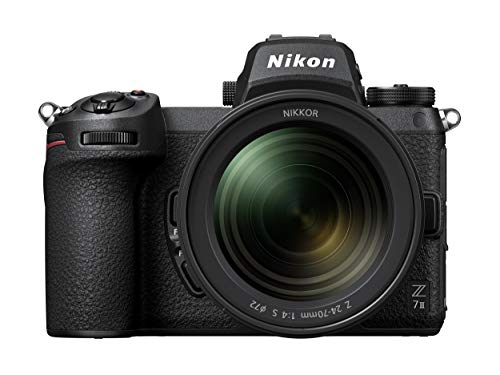
Product overview: The Z 7II combines a high-resolution 45.7-megapixel full-frame sensor with robust autofocus and buffer performance. It features dual card slots (CFexpress/XQD and UHS-II SD) for flexible workflows and dependable backup during important shoots. The exterior and interior are designed for comfortable handling, long sessions, and reliable operation, making it a strong option for studio work, weddings, and landscape photography where detail matters.
Key features drawn from listed specifications include a refined autofocus system, increased buffer capacity over its predecessor, and a versatile 24-70mm f/4 kit lens. This body-lens pairing supports high-resolution stills and video with smooth performance for fast-paced assignments, while a durable build helps photographers work in varying conditions.
Nikon COOLPIX P1100 Superzoom

Product overview: This camera emphasizes reach with an exceptional 125x optical zoom, equating to a vast telephoto range and a 250x dynamic zoom option. Built-in image stabilization helps maintain clarity at extreme focal lengths. It also supports 4K Ultra HD video, RAW capture, and wireless connectivity, making it suitable for travel photography, wildlife, and event shooting where versatility matters in a compact form factor.
What to know: The P1100 suits users seeking maximum reach and straightforward operation, offering strong stabilization and a wide feature set for on-the-go high-midelity imaging. It bridges the gap between traditional compact cameras and larger system rigs for specialized assignments.
Nikon D7500 DX-Format DSLR
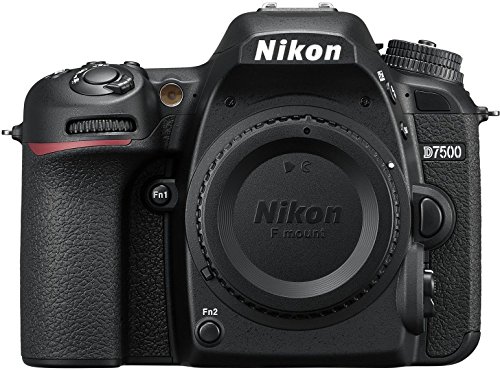
Product overview: The D7500 offers a solid balance of image quality and speed in a compact DSLR body. Its 20.9MP DX-format sensor, high-quality metering and a capable 51-point AF system provide reliable performance in a variety of lighting conditions. The camera supports 4K Ultra HD video and features a tilting LCD for flexible composing, making it a viable option for travel, sports, and hobbyist shooting where a robust, easy-to-use camera is desirable.
Key considerations include the sensor size, autofocus density, and the overall ergonomics that support long shooting sessions. While not the highest-res option in this list, the D7500 remains a versatile, user-friendly choice for shooters who want a dependable, all-around performer.
XNSIAKXA 8K Digital Camera

Product overview: This camera centers on high-end 8K capture with an 88MP sensor and dual-lens design, targeting advanced creators and professionals aiming for extreme detail. Features include 6-axis stabilization and a 3.2″ IPS touch screen for easy framing and focusing, plus built-in WiFi for quick sharing and workflow integration. It’s built for content creators who require top-tier resolution and flexible shooting angles for YouTube, vlogging, and production work.
Considerations: 8K capability demands substantial storage and processing power. The dual-lens setup offers versatility for various shooting scenarios, but potential buyers should ensure their workflow, editing hardware, and storage plans align with the high data demands of 8K capture.
SanDisk Memory Card

Product overview: Reliable storage is crucial for high-resolution and high-bitrate workflows. This SanDisk memory card line provides fast read/write speeds and ample capacity for capturing large RAW files or 4K/8K footage. Memory cards are essential companions for any camera system when working with long shoots or high-resolution formats.
Considerations: When selecting memory cards, verify the speed class, supported formats, and compatibility with your camera’s card slots. For multi-terabyte projects or fast transfer needs, keep spare cards and a reliable reader on hand to minimize downtime.
Buying Guide: Key Purchase Considerations
- Resolution and sensor design: Higher megapixels offer more detail but can demand more storage and processing power. Consider your primary subjects (landscape, studio, wedding, wildlife) when prioritizing resolution vs. speed and low-light performance.
- Autofocus and shooting speed: Fast, accurate AF and high-frame-rate bursts help in dynamic scenes. Dual card slots and robust buffering reduce interruptions during critical moments.
- Lens ecosystem and adaptability: Native lenses, compatibility with third-party glass, and the availability of high-quality zooms or primes influence long-term versatility.
- Video capabilities: For creators, 4K and 8K options, color science, and workflow integration (proxy files, RAW, and external recorders) matter for efficient post-production.
- Storage and workflow: Ensure reliable high-speed memory cards, fast USB-C/Thunderbolt transfers, and adequate hard drive/storage setup for large files produced by high-res cameras.
- Ergonomics and durability: A comfortable grip, weather sealing, and durable build support long shoots in varying conditions.
- Price-to-performance balance: Higher-end models deliver more features, but assess which capabilities provide tangible benefits for your typical projects and budget.
- Future-proofing: Consider firmware updates, sensor stabilization, and accessory ecosystems that can extend the life of your gear.