Astrophotography benefits from telephoto reach to frame distant celestial scenes and terrestrial subjects under a night sky. This guide highlights top telephoto options available as of today, spanning dedicated lenses and versatile zooms. Each pick is evaluated for reach, image quality, compatibility, and practicality when shooting stars, the Moon, and distant landscapes. Whether you shoot with Canon, Sony, or smartphone adapters, these lenses help you capture sharper, more detailed night-sky images with reliable performance.
| Product | Brand | Focal Range / Type | Mount / Compatibility |
|---|---|---|---|
| Canon EF 75-300mm f/4-5.6 III Telephoto Zoom | Canon | 75-300mm, zoom | Canon EF |
| JINTU 420-800mm MF Telephoto Zoom | JINTU | 420-800mm, manual | Canon EOS Rebel series compatible via adapters |
| Big Mike’s High-Power 420-1600mm HD Telephoto | Big Mike’s | 420-1600mm, zoom | Canon-compatible via mount |
| Samyang 135mm F1.8 for Sony E | Samyang | 135mm prime | Sony E |
| MIAO LAB 20-60X Zoom Telephoto for Smartphones | MIAO LAB | 20-60x, telephoto | Smartphones (iPhone, Samsung, Android) |
Note: The selection covers a mix of traditional DSLR telephotos and newer high-zoom options suitable for night-sky work. Each product is chosen for (1) reach and magnification, (2) optical quality and coatings, (3) mounting versatility, and (4) portability for astro trips. The list also includes smartphone telephoto kits to demonstrate how far budget-friendly gear can stretch in astrophotography contexts.
BNIFI 28X Telephoto Phone Lens Kit

Features: A 4-in-1 set including 28x telephoto, 198° fisheye, 20x macro, and 0.6x wide-angle lenses. While designed for mobile photography, the 28x telephoto offers dramatic reach for distant subjects when paired with a stable setup. For astro planning sessions, use a tripod and stable support to minimize shake, especially when framing distant night-scapes or celestial bodies near terrestrial landmarks. The kit’s high-midelity optics help preserve detail across multiple focal lengths.
Canon EF 75-300mm f/4-5.6 III Telephoto Zoom

Features: A versatile 4x zoom range suitable for portraits to medium telephoto shots. Lightweight at about 16.8 oz, making it convenient for travel and nighttime field sessions. Autofocus is driven by a DC micro motor for quick focusing. While not a specialized astro lens, its reach helps frame larger constellations or landscape vistas with a relatively compact option for beginners and hobbyists exploring night photography.
JINTU 420-800mm Telephoto Zoom
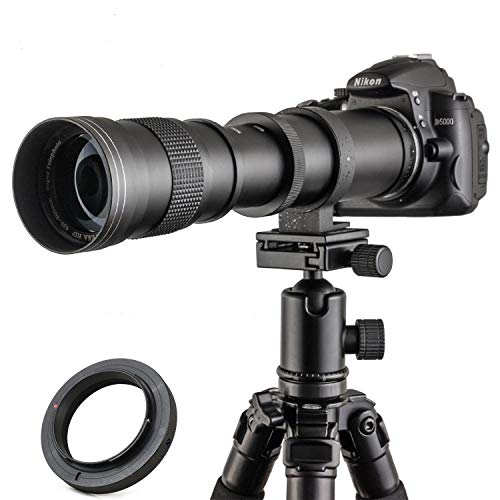
Features: 420-800mm macro-telephoto with full metal construction. The package includes a free Canon adapter, broad compatibility with Canon DSLR bodies, and a compact form for an extendable reach. It excels in wildlife, moon, and distant landscape astro-planning where portability matters. The manual focus approach requires careful handling and steady support in low-light shots to optimize sharpness and reduce focus breathing during long-exposure work.
Big Mike’s High-Power 500mm/1000mm Telephoto

Features: A 500mm to 1000mm f/8 manual telephoto with EF-mount compatibility, designed for Canon DSLRs. With a 2x teleconverter (doubling to 1000mm), this setup reveals distant planets, the Moon’s craters, and star clusters with notable magnification. The optical glass is multi-coated for light transmission and contrast. Manual operation demands precise focusing and exposure control, particularly at higher focal lengths and in low-light astrophotography scenarios.
Samyang 135mm F1.8 for Sony E

Features: Prime telephoto with bright F1.8 aperture, offering sharp images with excellent subject separation and astro-friendly low-light performance. Eye AF and other custom controls enhance usability, while a quiet STM-style focus mechanism suits nighttime videography or timelapse. The lens delivers strong image quality with a shallow depth of field that can be advantageous for isolating celestial features against dark skies. It’s a strong pick for Sony mirrorless systems and astrophotography workflows requiring crisp nightsky detail.
MIAO LAB 20-60X Zoom Telephoto for Smartphones

Features: A 20-60x zoom telephoto kit with a tripod and universal phone clip. It extends smartphone reach for distant subjects and can be used for casual night sky observations and moon shots. The high-transmission optics and aluminum body provide durability, while the included tripod aids stability for long-exposure work. It’s a practical option for those starting in astro-photography with a smartphone-based setup and budget-conscious users seeking noticeable detail at high magnifications.
Buying Guide
- Focal length and magnification: Longer focal lengths (e.g., 500mm–1600mm) reveal more distant celestial features and terrestrial details, but demand steadier support and often slower apertures. Consider a lens with a balance of reach and light transmission for your typical night sky conditions.
- Aperture and light transmission: Fast apertures (low f-number) help with dim celestial targets, but many long telephotos sell at slower f/stops (e.g., f/8). When possible, use stacking, longer exposure times, and noise reduction techniques to compensate for limited light.
- Mount and compatibility: Confirm mount compatibility with your camera body or device. For DSLRs, EF or similar mounts are common, while mirrorless systems may require adapters. For smartphones, ensure the kit includes secure clips and a stable tripod.
- Autofocus versus manual focus: For astrophotography, manual focus often yields better results at night, as autofocus can struggle with star fields. Prime lenses with clean, repeatable manual focus are desirable for precise star focusing.
- Stability and support: A sturdy tripod and a remote shutter release minimize vibrations during long exposures. Consider weather sealing and build quality for field use in cool, windy, or humid conditions.
- Image processing workflow: Long focal lengths can exaggerate optical aberrations. Plan for post-processing steps (comatic aberration removal, star stacking, color balancing) to maximize final image quality.
- Budget versus performance: While high-end telephotos deliver superior sharpness and contrast, many budget options still provide compelling results for beginners. Weigh total cost against the value of upgrade paths (e.g., teleconverters, adapters, or different mounts).
- Portability and travel considerations: If you shoot in the field, weight and setup time matter. A modular kit with quick-release tripods and compact lenses can streamline night sessions.