For photographers who need to reach distant subjects with clarity, a super zoom lens can be a game changer. This guide highlights top camera lenses offering expansive focal ranges, sharp optics, and versatile performance across sports, wildlife, and travel scenarios. Each pick is evaluated for compatibility, image stabilization, and overall value, helping you choose a lens that fits your camera system and shooting style.
Summary of Selected Products
| Product | Brand | Typical Focal Range | Mount Type / System |
|---|---|---|---|
| Canon RF200-800mm F6.3-9 IS USM | Canon | 200-800mm | Canon RF Mirrorless |
| Canon RF100-500mm F4.5-7.1 L IS USM | Canon | 100-500mm | Canon RF Mirrorless |
| Sony Alpha 70-350mm F4.5-6.3 G OSS | Sony | 70-350mm | Sony E-mount (APS-C) |
| JINTU EF 420-800mm Telephoto Lens | JINTU | 420-800mm | Canon EF |
| Canon EF 75-300mm f/4-5.6 III | Canon | 75-300mm | Canon EF |
Canon RF200-800mm F6.3-9 IS USM Super-Telephoto Zoom

Canon’s RF200-800mm F6.3-9 IS USM stands out as a versatile super-telephoto zoom for Canon RF-mount mirrorless bodies. The wide zoom range from 200mm to 800mm enables dramatic reach for wildlife, sports, and distant landscapes. Built with image stabilization at up to several stops, this lens is designed for handheld use in a variety of field conditions, while its lightweight construction supports extended shooting sessions. If you shoot with Canon’s RF system, this lens provides a compact solution for long-distance subjects without swapping lenses frequently.
Key features include its 200-800mm focal range, lightweight construction for a super-telephoto, and compatibility with RF-mmount bodies. Users should budget for the added reach and plan for slower f/6.3-9 maximum apertures at the long end, which is typical for super-telephoto designs. When shooting distant subjects like wildlife or concerts, using a sturdy tripod or monopod can improve stability in low light or with longer shutter speeds.
Canon RF100-500mm F4.5-7.1 L IS USM

Canon’s RF100-500mm F4.5-7.1 L IS USM is a versatile, high-performance zoom that spans mid-range to long telephoto, making it suitable for wildlife, travel, and sports. The L-series build quality and optical design emphasize sharpness across the frame with robust image stabilization to minimize shake. Its autofocus is fast and reliable on compatible RF-mount bodies, helping you capture decisive moments from a distance. The lens is relatively compact for its range, easing handling during travel or field shoots.
Considerations include the trade-off between brightness and reach, as the maximum aperture narrows to f/7.1 at the long end. For action or wildlife, pairing with a stabilizer mode and fast shutter speeds is advisable. The lens works well with extenders on compatible cameras, though optical performance may vary with extended reach.
Sony Alpha 70-350mm F4.5-6.3 G OSS
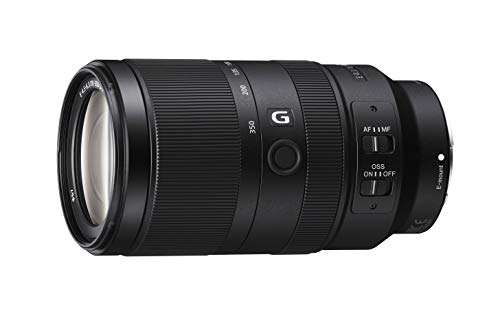
The Sony Alpha 70-350mm F4.5-6.3 G OSS delivers a flexible telephoto zoom ideal for Sony APS-C cameras, offering a 105-525mm equivalent range. The G-series optics and Optical SteadyShot (OSS) stabilization help keep images sharp in handheld scenarios, especially during wildlife or sports shooting. The lens is relatively light for its class, making it a practical travel companion for those who shoot with Sony’s E-mount system.
Performance notes include strong corner-to-corner resolution for many subjects, though at the longest focal lengths the maximum aperture is modest, so shooting into well-lit conditions remains advantageous. The lens pairs well with in-body or in-lens stabilization strategies to maximize shutter speed choices for action shots.
JINTU EF 420-800mm Telephoto Lens

The JINTU 420-800mm telephoto lens is a budget-friendly option targeting Canon EF-mount shooters looking for extreme reach. This manual focus telephoto offers a wide zoom range that can capture distant wildlife, sports, or celestial subjects with careful composition. The metal construction and multi-coated optics aim to provide durability and reduced flare, though manual focus requires steady technique and practice for sharp results at max zoom.
Key considerations include the necessity of manual focusing discipline, potential for heavy setup, and compatibility with older Canon bodies. The lens is best suited for enthusiasts who want to explore extreme reach without investing in premium glass or newer camera systems. When used with a sturdy tripod and a remote shutter, it can yield compelling long-distance imagery.
Canon EF 75-300mm f/4-5.6 III

The Canon EF 75-300mm f/4-5.6 III provides an accessible entry into telephoto zooms for Canon DSLR users. With a practical range from short to long telephoto, it is suitable for travel, portraits at a distance, and casual wildlife photography. The build is lightweight, though the older design may not offer the sharpness or contrast of modern glass. It remains a solid budget option for those with a Canon EF-mount and a desire to expand their reach without major investment.
Buying Guide
- Camera system compatibility: Ensure the lens mount matches your camera (Canon RF, Canon EF, Sony E, etc.).
- Focal range needs: Choose a lens that covers your typical distance targets—200-800mm for wildlife, 100-500mm for versatile travel, or 70-350mm for APS-C systems.
- Aperture and exposure: Telephoto zooms typically have modest maximum apertures (f/4-7.1 or slower). Plan for adequate shutter speeds and ISO when light is limited.
- Image stabilization: Labeled IS/OSS/G OSS helps reduce shake at long focal lengths; prioritize stabilization for handheld use.
- Autofocus vs. manual: Modern L-series, G-series, and advanced Canon/Sony lenses offer fast AF, while budget options may rely on manual focus at extreme ranges.
- Weight and balance: Super-telephotos can be heavy; verify overall weight and consider a monopod or tripod for extended shoots.
- Weather sealing and durability: For outdoor wildlife photography, look for weather-sealed designs and robust construction.
- Accessory compatibility: Check if the lens works with extenders or teleconverters, and how they affect autofocus and image quality.