Choosing the right SD card can dramatically affect photo bursts, 4K video recording, and overall workflow. This guide highlights five top options that balance speed, capacity, and durability for American photographers and videographers. Each card supports modern cameras with UHS-I interfaces and 4K capabilities, with Fast Read/Write speeds designed to minimize delays between shots. Read on to compare capacities, speeds, and practical use cases to help you pick the best card for your gear and shooting style.
| Product | Brand | Capacity | Key Strength | Notes |
|---|---|---|---|---|
| SanDisk 128GB Extreme PRO SDXC UHS-I | SanDisk | 128GB | High offload speeds, 4K readiness | Great for sports and wildlife with fast transfer |
| SanDisk 256GB Ultra SDXC UHS-I | SanDisk | 256GB | Excellent storage capacity | Reliable for travel and daily use |
| SanDisk 64GB Extreme PRO SDXC UHS-I | SanDisk | 64GB | Fast write speeds, 4K capable | Compact backup option |
| SanDisk 256GB Extreme SDXC UHS-I | SanDisk | 256GB | High read/write speeds, 4K | Pro-grade performance |
| Gigastone 256GB SD Card | Gigastone | 256GB | 4K UHD compatibility | Includes data recovery offer |
Introduction to the selected options: The five cards cover a spectrum from high-speed, pro-grade SanDisk models to a Gigastone option with 4K support. Each card is designed to handle continuous shooting and high-resolution video, with capacities ranging from 64GB to 256GB. When choosing, consider your camera’s write speeds, typical file sizes, and your workflow (single shoots vs. rapid-fire sessions). The following sections offer concise, objective scouting for each product.
SanDisk 128GB Extreme PRO SDXC UHS-I
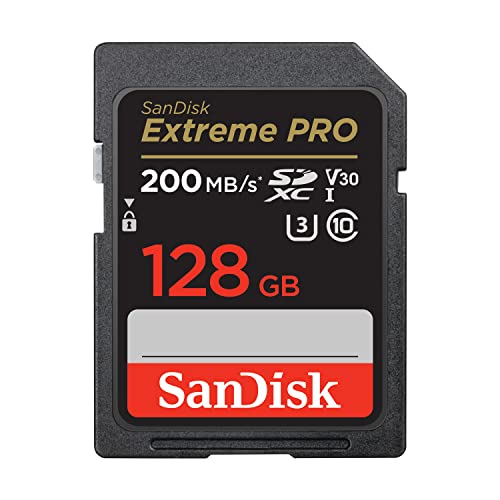
Capacity and class: 128GB, C10, U3, V30, suitable for 4K video and high-burst photography. Features SanDisk QuickFlow Technology claim of up to 200MB/s read speeds and up to 90MB/s write speeds. Practical performance depends on host device compatibility and conditions. Compatibility with professional readers can unlock maximum speeds. This card is paired with SanDisk’s ecosystem, including optional PRO-READER solutions that can maximize throughput when used with appropriate hardware.
SanDisk 256GB Ultra SDXC UHS-I

Capacity and class: 256GB, UHS-I, C10. Read speeds up to 150MB/s with Quick Transfer speeds. It’s geared toward compact to mid-range point-and-shoot cameras, making it ideal for travelers and daily shooters who need lots of storage without sacrificing reliability. The card’s storage capacity minimizes the need for frequent card swaps during extended shoots.
SanDisk 64GB Extreme PRO SDXC UHS-I

Capacity and class: 64GB, C10, U3, V30, 4K readiness. Boasts up to 200MB/s read speeds and 90MB/s write speeds with QuickFlow Technology (availability varies by capacity). This is a strong performer for action cameras, sports, and event photography where quick offloads and reliable gaps are critical. It may pair with high-end readers to maximize speeds on capable systems.
SanDisk 256GB Extreme SDXC UHS-I

Capacity and class: 256GB, C10, U3, V30, 4K. Features up to 180MB/s read speeds and 130MB/s write speeds with SanDisk QuickFlow Technology (availability limited to certain capacities). Again, maximum performance can depend on device compatibility and card reader. This model emphasizes high-speed data transfer for rapid backup and professional-grade video capture.
Gigastone 256GB SD Card

Capacity and class: 256GB, SDXC, 4K UHD compatibility. The card includes a five-year-style recovery offer and supports up to 100 MB/s transfer speeds. It provides solid capacity for photographers who shoot long events or who need extra space for 4K footage, with a value-oriented option in the SanDisk ecosystem’s larger lineup landscape.
Buying Guide: Key Purchase Considerations And Comparisons
- Capacity vs. workload: Choose capacity based on typical file sizes, shooting length, and whether you shoot RAW, burst JPEG, or 4K video. Higher-capacity cards reduce swaps but come with larger costs and potential data recovery needs if corrupted.
- Speed class and performance: Look for C10, U3 or V30 ratings for reliable 4K video. Read and write speeds beyond 100MB/s are beneficial for fast bursts and quick offloads. Note that advertised speeds depend on device compatibility and card reader performance.
- Device compatibility: Ensure your camera supports the card’s speed class and interface (UHS-I or higher). A faster card yields the most benefit when paired with a camera that can sustain those speeds.
- Durability and reliability: Pro-grade options typically offer robust build quality and better resistance to temperature, water, and shocks. Consider a model that includes recovery or warranty services if you work in challenging environments.
- Workflow and ecosystem: Some cards benefit from paired readers (like SanDisk PRO-READER) to maximize throughput. If you’re continually offloading to a professional workstation, investment in a fast reader can matter as much as the card itself.
- Budget and redundancy: For casual use, mid-range 64–128GB cards with solid speeds provide good value. For professionals, pairing multiple high-capacity cards with a reliable backup strategy improves efficiency and data security.
- Compatibility with 4K and HDR: If your camera records in 4K or higher, prioritize UHS-I cards with sustained write speeds to prevent frame drops and buffering.
Bottom line: If you shoot fast action or 4K video, prioritize higher read/write speeds and higher capacities. For travel and everyday photography, a 128GB or 256GB option with reliable performance will typically meet most needs. Consider creating a small kit with a fast reader and an extra card or two to keep your shoots efficient, organized, and ready for immediate backup.