For DSLR enthusiasts, choosing the right memory card is essential to capture high-resolution images and smooth 4K video. The following selections emphasize speed, durability, and capacity, helping you avoid bottlenecks during shoots. This guide highlights five top-rated SD cards compatible with most DSLR models, including UHS-I and UHS-II options for faster offloads and better handling of large RAW files.
| Product | Brand | Capacity | Key Feature |
|---|---|---|---|
| Extreme PRO 128GB | SanDisk | 128GB | Up to 200MB/s read, U3/V30 for 4K |
| Extreme PRO 256GB | SanDisk | 256GB | Up to 200MB/s read, fast write up to 140MB/s |
| Lexar Professional 128GB 2000x | Lexar | 128GB | UHS-II up to 300MB/s read, V90 |
| Ultra 256GB SDXC | SanDisk | 256GB | Up to 150MB/s read, reliable for full HD |
| Gigastone 128GB Pro | Gigastone | 128GB | 4K UHD ready, up to 100MB/s |
SanDisk Extreme Pro 128GB SD XC UHS‑I
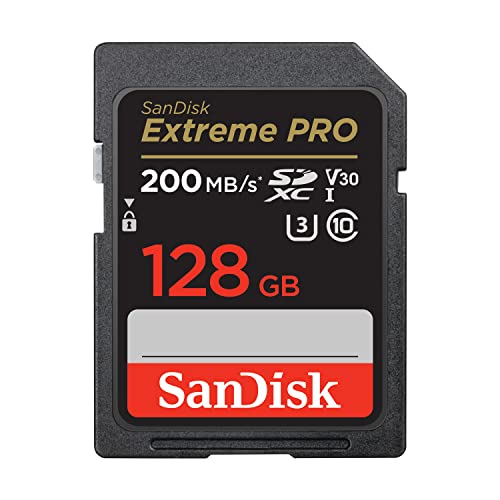
Designed for speed and reliability, this card leverages SanDisk QuickFlow Technology to deliver up to 200MB/s read speeds and up to 90MB/s write speeds. It is optimized for 4K UHD video and high-resolution photography, with performance that can support rapid offloads when paired with a capable host device. Availability of the maximum speed tier may depend on device compatibility and usage conditions.
Key advantages include fast offloads, robust 4K readiness, and compatibility with high-end readers like the SanDisk PRO-READER. It is a strong choice for DSLR shoots that demand quick card changes and rapid data transfer to workflow systems.
SanDisk Extreme Pro 256GB SD XC UHS‑I

This larger capacity card shares the same high-performance DNA as its 128GB sibling, offering up to 200MB/s read speeds and up to 140MB/s write speeds in ideal conditions. SanDisk QuickFlow Technology enhances workflow efficiency, particularly when shooting RAW bursts or 4K video. It benefits DSLR users who shoot extensively or film extended sequences, reducing wait times during transfers.
Lexar 128GB Professional 2000x (UHS‑II) SD Card

Lexar’s Professional 2000x card delivers ultra-fast read speeds up to 300MB/s, leveraging UHS-II technology for rapid offloads of large RAW files and 8K-ready video workflows. While many Nikon and Canon DSLRs support UHS-II cards, check device compatibility for maximum performance. The card’s speed helps streamline multi-shot sessions and fast previewing in post-production.
SanDisk 256GB Extreme SDXC UHS‑I

This card emphasizes QuickFlow offload speeds up to 180MB/s and a large 256GB capacity for extended shooting sessions. It is engineered to exceed standard UHS-I performance, enabling faster data transfers and reduced downtime between shooting and editing. It also notes compatibility with the SanDisk PRO-READER for maximum speed potential when used with appropriate hardware.
SanDisk Ultra 256GB SDXC UHS‑I

This option targets photographers seeking dependable performance with solid read speeds up to 150MB/s and 256GB of capacity. It is well-suited for compact to mid-range DSLRs and point-and-shoot cameras, delivering reliable day-to-day performance for high-volume shooting without compromising on transfer efficiency.
Gigastone 128GB SD Card Pro

Gigastone offers a 128GB SD card with 4K UHD compatibility and data transfer speeds up to 100MB/s. It is a practical option for DSLR users who prioritize reliable operation and solid performance in 4K recording and high-resolution image capture, with a value-focused package that includes protective cases.
Gigastone 256GB SD Card Pro

This 256GB Gigastone option combines higher capacity with 4K support and up to 100MB/s transfer speeds, suitable for DSLR workflows that require larger storage without sacrificing reliability. It provides an alternative for photographers who need more space for RAW files and video captures on longer shoots.
SanDisk Ultra 128GB SDXC UHS‑I
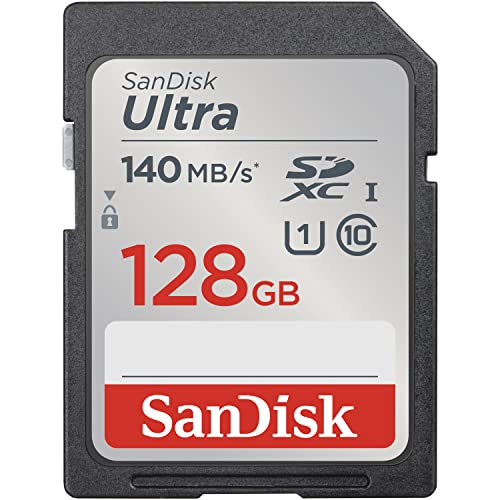
Another value-oriented option, this 128GB Ultra card emphasizes dependable transfer speeds up to 140MB/s and compatibility with a broad range of cameras. It’s a practical choice for photographers who need reliable daily performance and ample storage for travel shoots and family events.
Buying Guide
Key considerations when selecting an SD card for a DSLR include:
- Speed class and performance: Look for UHS-I or UHS-II cards with Video Speed Class ratings (V30, V90) if you shoot 4K or high-bitrate video. Higher read/write speeds reduce buffering and speed up offloads.
- Capacity needs: 128GB is common for RAW-heavy shoots; 256GB or larger suits longer sessions and 4K footage. Balance with your camera’s supported capacities and budget.
- Reliability and durability: Many cards offer ruggedized designs and warranty options. For travel or tough environments, consider cards with reinforced casing and file recovery options.
- Device compatibility: Some DSLR models may not fully support the highest speeds of UHS-II cards. Confirm your camera’s maximum supported speed to avoid bottlenecks.
- Pro reader compatibility: For maximum transfer speeds, pairing cards with a high-performance reader (such as a professional SD/CF reader) can improve workflow efficiency.
- Brand ecosystem and warranty: Brands like SanDisk and Lexar provide robust support and proven track records for photographers and videographers.
In practice, pairing a high-capacity card with a capable reader and a DSLR that supports fastUHS modes yields the best balance of reliability and workflow speed. Consider your typical shooting scenarios—event photography, landscapes, or video work—and choose accordingly to minimize delays between shots and storage.