To capture crisp 4K video, you need dependable SD cards that deliver steady write speeds and ample capacity. This guide highlights five top options from trusted brands, emphasizing speed, reliability, and compatibility with 4K workflows. Each entry includes key features and how it translates to real-world shooting scenarios. Use the buying guide at the end to compare form factors, speeds, and use-case considerations.
Summary of chosen products:
- SanDisk 128GB Extreme PRO SDXC UHS-I Memory Card
- SanDisk 256GB Extreme SDXC UHS-I Memory Card
- SanDisk 64GB Extreme PRO SDXC UHS-I Memory Card
- Lexar 128GB Professional 1667x SD Card (UHS-II)
- SanDisk 256GB Extreme microSDXC UHS-I Memory Card with Adapter
SanDisk 128GB Extreme PRO SDXC UHS-I Memory Card
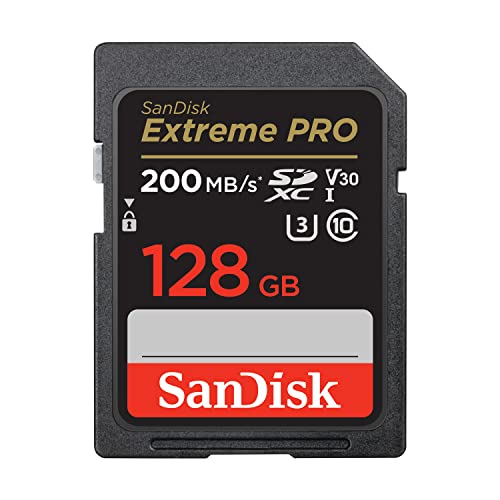
Capacity and speed are tuned for 4K recording. The card supports read speeds up to 200 MB/s with SanDisk QuickFlow Technology, enabling fast offloads and efficient post-production workflows. Write speeds reach up to 90 MB/s in testing, facilitating sustained 4K bursts without excessive buffering. Designed to pair with SanDisk PRO-READER SD for maximum throughput (sold separately). Compatibility with devices capable of meeting high-speed requirements is crucial for achieving stated speeds. This card is ideal for professionals shooting 4K with compatible cameras and editors.
Key considerations
- Best paired with high-end readers to realize 200 MB/s offload.
- High reliability for 4K bursts and sequential recording.
- Capable for long-term storage and quick transfers to editors.
SanDisk 256GB Extreme SDXC UHS-I Memory Card

This 256GB option balances capacity with fast speeds suitable for 4K. It offers up to 180 MB/s read speeds and up to 130 MB/s write speeds, powered by SanDisk QuickFlow Technology (availability varies by capacity). The card is designed to work with the SanDisk PRO-READER SD for maximum speeds, though performance hinges on host device capabilities. The 256GB capacity helps with longer shoots or higher bit-rate 4K formats without frequent card swaps.
Key considerations
- Good middle-ground capacity for longer 4K sessions.
- Speed tiers compatible with many 4K workflows when paired with capable gear.
- Note availability of QuickFlow features by capacity.
SanDisk 64GB Extreme PRO SDXC UHS-I Memory Card

Despite a smaller capacity, this card delivers robust performance for 4K recording, with up to 200 MB/s read and up to 90 MB/s write speeds. QuickFlow Technology is available for selected capacities, providing faster offloads when supported. This card excels in run-and-gun 4K shoots or scenarios where card swaps are frequent but speed remains critical. Combining with a high-quality reader helps maximize throughput for rapid post-production transfers.
Key considerations
- Compact capacity may suit hybrid stills/video work or shorter 4K shoots.
- High sustained write speed supports 4K recording needs on capable cameras.
- Pair with a fast reader to minimize downtime between takes.
Lexar 128GB Professional 1667x SD Card (UHS-II)

For professionals seeking top-tier speeds, the Lexar 128GB Professional 1667x SD Card uses UHS-II technology with read yields up to 250 MB/s. This acceleration is ideal for 4K capture with cameras that support UHS-II interfaces, enabling efficient offloads and smoother editing workflows. It’s well-suited for high-frame-rate 4K or extended sessions where rapid transfers improve efficiency. Large-capacity options help reduce interruptions during shoots and postproduction stages.
Key considerations
- UHS-II provides higher read/write performance than UHS-I in many devices.
- Compatibility depends on camera and reader support for UHS-II.
- Great for professionals who routinely work with 4K and high data rates.
SanDisk 256GB Extreme microSDXC UHS-I Memory Card with Adapter

This microSD card, with an adapter, provides a flexible option for devices that support microSDXC but also want standard-size SD compatibility via the adapter. It offers up to 190 MB/s read speeds and up to 130 MB/s write speeds in many setups, with QuickFlow Technology available on select capacities. It’s particularly useful in action cameras or drone workflows, where smaller card form factors are a benefit. Ensure your device supports microSDXC UHS-I to maximize performance.
Key considerations
- Adapter compatibility expands usage across multiple devices.
- High-speed performance supports 4K recording on capable hosts.
- Consider device compatibility and capacity needs for video project length.
Buying Guide
The right SD card for 4K work hinges on several factors. First, match the card’s speed class and interface with your camera’s capabilities. UHS-I is common, but UHS-II offers higher read/write throughput for demanding workflows and faster offloads. For 4K, look for C10, U3, and V30 or higher to ensure sustained performance with high bit-rate video. Capacity matters: 128GB handles shorter shoots or single-camera projects, while 256GB and 512GB reduce the need for frequent changes on longer sessions.
Read vs. write performance is critical. A card’s read speed affects offload times, while write speed determines in-camera recording stability. SanDisk’s QuickFlow Technology and Lexar’s UHS-II speeds are examples of technology designed to maximize throughput, especially when paired with compatible readers. Always verify device compatibility: some cameras and recorders don’t support the fastest interfaces, which can limit maximum speeds.
Reliability and data recovery are also essential. Some vendors offer data recovery services, which can be valuable if footage is irreplaceable. For professionals, pairing a high-performance card with a high-quality reader, and having spare cards on hand, minimizes downtime. When choosing between microSD and SD formats, consider your device ecosystem and whether adapters are acceptable in your workflow.
Practical recommendations:
– Use UHS-II where your camera and workflow can leverage it for 4K bursts and rapid transfers.
– Favor cards with endurance and reliability features if you shoot long events or run-and-gun sessions.
– Keep a mix of capacities to handle different shoots, from quick runs to long-form projects.
– Consider a robust storage plan that includes on-site backups and off-site archiving.