Choosing the right red filter can transform outdoor and evening photography by boosting warm tones, darkening blue skies, and adding depth to foliage and sunsets. Below is a curated selection of five red camera filters designed for a range of lens sizes and shooting scenarios. The guide highlights construction, coating quality, and how each filter affects color and contrast, helping you pick a reliable option for landscapes, sunsets, and dramatic skies.
| Product | Brand | Recommended Use | Key Benefit |
|---|---|---|---|
| Lens Filter, Optical Glass Red Filter Camera Lens | Shanrya | Versatile on-the-go shooting | Rich red enhancement with multilayer coating |
| Tiffen 49 Red 25 Filter | Tiffen | Classic color separation for foliage | Increases contrast between greens and florals |
| Tiffen 55mm 25 Camera Lens Filter | Tiffen | Black-and-white and dramatic skies | Medium red for sky contrast and cloud drama |
| MECCANIXITY 49mm Lens Filter | MECCANIXITY | Evening photography and sunsets | Full red filter for scene layering and atmosphere |
| MECCANIXITY 55mm Lens Filter | MECCANIXITY | Versatile red tone enhancement | Optical glass, durable and easy to clean |
Shanrya Red Filter: Aluminum Frame, Rich Red Tones

This Shanrya red filter is built with a rugged aluminum alloy frame, CNC-machined for precise threading and reliable mounting. Its screw-thread design supports quick changes in the field, making it convenient for on-the-move photographers. The filter is designed to magnify red tones, helping scenes such as maple foliage, sunsets, and dusky skies achieve richer color depth. A multilayer coating protects against water, oil, dust, and scratches, ensuring clearer imagery even in challenging environments. The result is enhanced contrast with warm red highlights that stand out in outdoor compositions.
Tiffen 49 Red 25 Filter

The Tiffen 49 Red 25 filter emphasizes red tones and provides greater separation between foliage and floral elements, yielding a more cinematic look in outdoor scenes. Its compact design is suitable for standard 49mm lenses, and it contributes to dramatic color separation without being overly aggressive. The filter is described by its product details as a practical choice for landscape or nature photography where warm reds can enhance autumn and sunset atmospherics. It suits photographers seeking a traditional red filter effect with reliable performance.
Tiffen 55mm 25 Camera Lens Filter (Red)

The Tiffen 55mm 25 red filter is a medium-red option that darkens blue skies, creating dramatic contrast with cloud formations. It is commonly used for black-and-white photography to enhance tonal separation and texture, lending a strong, classic look to landscapes and cityscapes under bright daylight. The filter’s medium red strength makes it a flexible choice for photographers who want noticeable but controlled color influence, especially when capturing dramatic sunsets or high-contrast scenes.
Tiffen 405R25 40.5mm Red Filter
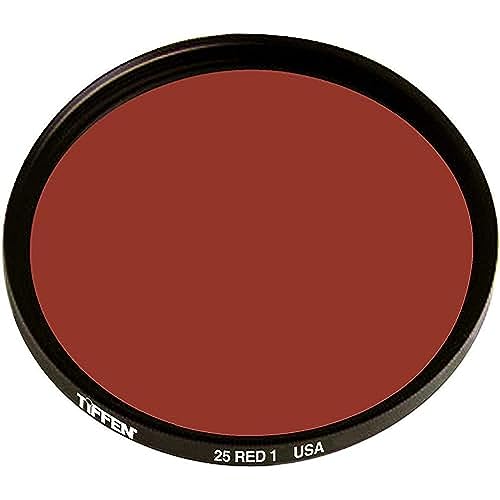
The Tiffen 405R25 is a 40.5mm red filter designed to darken the blue sky and create a pronounced contrast between the sky and clouds while also enhancing foliage contrast. This filter provides a medium red effect that’s well-suited for outdoor photography in bright light, offering a balance between sky drama and ground detail. Photographers aiming for more depth and separation in landscape frames may find this option particularly effective for moodier skies and layered scenery.
MECCANIXITY 49mm Red Filter

The MECCANIXITY 49mm red filter offers a full red lens effect designed to create contrast and layered scenes. It’s especially suitable for subjects like maple leaves, sunsets, and desert tones in the evening, helping red tones stand out while maintaining natural color relationships. The filter uses optical glass, is lightweight, and resists heat, dust, and scratches better than plastic alternatives. Its coating and construction aim to deliver reliable performance in field conditions.
MECCANIXITY 55mm Red Filter

This MECCANIXITY 55mm full red filter emphasizes red tones to add atmosphere and depth. Made from optical glass, it resists high temperatures from lighting and environments, while remaining durable and easy to clean. The red enhancement helps to enrich sunsets, foliage, and evening skies, delivering more dramatic, cinematic results. It’s designed for photographers who want a robust, long-lasting filter that performs consistently across various shooting conditions.
Buying Guide: Key Considerations For Red Camera Filters
- Size compatibility: Filter diameters vary (49mm, 52mm, 55mm, 67mm, 40.5mm). Match the filter to your lens thread or use appropriate step-up/step-down rings to avoid vignetting.
- Red intensity: Light, medium, and strong red filters yield different effects on skies, foliage, and skin tones. For black-and-white work, a stronger red filter can increase contrast, while color photography might benefit from a milder approach.
- Coatings and durability: Multilayer coatings reduce reflections, water, oil, and dust adherence, and improve scratch resistance—critical for travel and outdoor shoots.
- Material and build: Aluminum frames are durable and lightweight, while optical glass ensures clarity and color fidelity. Avoid plastic if you frequently shoot in harsh environments.
- Color accuracy: Red filters shift color balance toward warmth. Consider your camera’s white balance and your subject to avoid unwanted color casts.
- Use case versatility: Some filters are optimized for landscape and sky drama, others for foliage separation. Consider your typical subjects, such as sunsets, maple leaves, deserts, or clouds.
- Maintenance: Clean with a microfiber cloth and lens-safe cleaner. Avoid touching the filter surface with bare fingers to minimize oil transfer.
- Storage: A protective case or pouch helps prevent scratches and dust buildup between shoots.
These selections emphasize practical design and color-enhancement capabilities for a range of shooting styles. By comparing construction, coating quality, and intended use, photographers can choose a red filter that aligns with their lens system and creative goals without compromising image integrity.