Choosing the right on-camera video monitor can dramatically improve your framing, exposure, and focus during shoots. This guide spotlights five solid options that cover field monitoring, 4K HDMI support, brightness for outdoor use, and reliable power options. Each entry includes key specs, typical use cases, and what to consider when buying. The selections balance professional features and practical usability for hobbyists and serious creators alike.
| Product | Brand | Key Benefit |
|---|---|---|
| FEELWORLD S55 V3 | FEELWORLD | Compact 6″ 1080p monitor with 4K HDMI input/output |
| FEELWORLD FW759 | FEELWORLD | 7″ ultra-slim DSLR monitor with 4K HDMI support |
| VILTROX DC-550 Pro | VILTROX | 5.5″ high-brightness HDR monitor with 4K HDMI pass-through |
| Amcrest AM-LM22 | Amcrest | 22″ 1080p surveillance monitor with multiple inputs |
| ZOSHING 17″ Security Monitor | ZOSHING | Large-screen CCTV monitor with HDMI/VGA/AV and built-in speakers |
FEELWORLD S55 V3 6 Inch Monitor Bundle

The FEELWORLD S55 V3 offers a compact 6″ IPS display with 1920×1080 resolution and a wide 160° viewing angle. It supports 4K HDMI input and output, enabling pass-through to a larger display for client reviews or director feedback. The monitor is designed for handheld or gimbal use, with a tilt arm to adjust viewing angles and flexible power options, including NP-F batteries. Its lightweight build makes it ideal for on-the-go shooting where space and weight matter.
FEELWORLD FW759 7 Inch Monitor
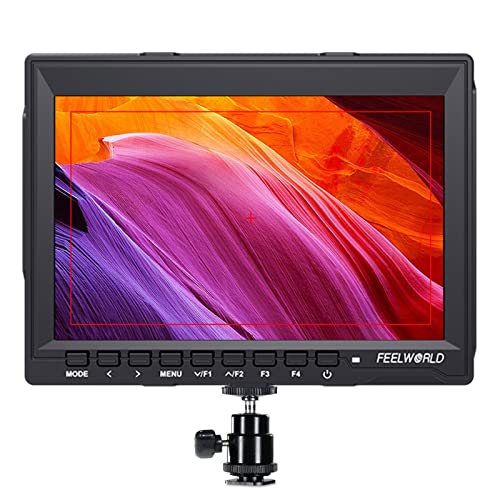
The FEELWORLD FW759 is a 7″ DSLR-style field monitor with a 1280×800 IPS panel and 4K HDMI input/output. It’s designed for professionals who need accurate color and reliable signal routing, with a slim profile (~17mm) and light weight. The monitor supports 4K HDMI signals and allows monitoring on a larger screen via its output, making it a solid option for directors, camera operators, and videographers working with 4K footage. It includes a tilt arm for flexible shooting angles.
VILTROX DC-550 Pro 5.5 Inch Monitor

The VILTROX DC-550 Pro delivers a bright 1200-nit display on a compact 5.5″ screen with 1920×1080 resolution and 178° viewing angles. It features 4K HDMI input/output with pass-through, multiple power options, and a detachable hood for outdoor shoots. The bezel and controls are designed for quick access in busy production environments, and the monitor includes two HDMI jacks to help capture and monitor camera signals while assisting with client previews and on-set monitoring.
Amcrest AM-LM22 22-Inch Surveillance Monitor

The Amcrest AM-LM22 provides a larger 22″ 1080p display with a minimalist ultra-slim design and built-in dual speakers. It includes HDMI and VGA inputs, making it suitable for security setups, live monitoring, or as a secondary reference display in studios. Its low response time and wide viewing angles help maintain a clear, consistent image across multiple viewing stations, which can be valuable for editing suites or control rooms.
ZOSHING 17-Inch Security Monitor
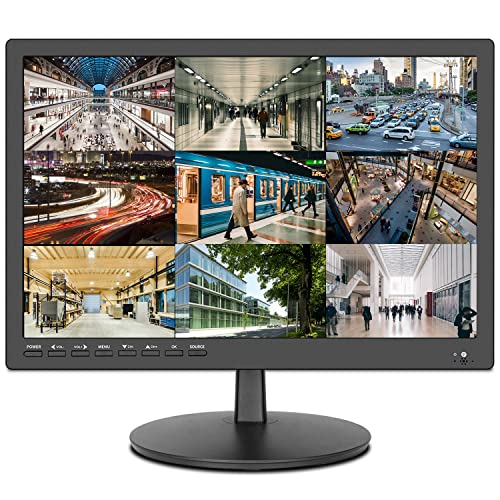
The ZOSHING 17″ security monitor focuses on a large display with comprehensive input options, including HDMI, AV, VGA, and a USB media player for quick content checks. Its 170° viewing angle supports wide coverage in surveillance setups or on-location review stations. A built-in speaker and multiple input types make it a versatile hub for monitoring feeds in a classroom, studio, or remote shoot environment.
Buying Guide
- Display size and resolution: Larger monitors provide easier at-a-glance focus checks, while higher resolution improves detail for critical focus and exposure decisions.
- HDMI input/output and 4K support: Ensure compatibility with your camera and editing workflow. HDMI pass-through is useful for grading or client review on larger screens.
- Brightness and outdoor use: If you shoot outdoors, prioritize higher brightness (nits) and a robust anti-glare design to maintain visibility in sunlit environments.
- Power options: Battery compatibility (NP-F, LP-E6, or built-in) and DC input flexibility matter for on-location shoots without reliable power sources.
- Color accuracy and features: Look for accurate color presets, LUT support, waveform/peaking tools, and focus aids to improve on-set performance.
- Durability and mounts: A sturdy chassis, modularity, and compatible mounting rigs (arm, cage, or monitor clamp) help integrate the monitor into your rig efficiently.
- Use case perspective: Field monitors emphasize portability and outdoor readiness, while surveillance monitors prioritize long-term reliability and constant uptime. Choose based on whether you need on-camera guidance or off-camera monitoring of a scene.
- Budget vs. features: Balance essential monitoring features (HDMI, brightness, and tilt/arm options) against price to maximize return on investment for your projects.
These five monitors reflect a range of use cases from on-camera field work to studio monitoring and surveillance-style setups. When selecting, align the monitor’s strengths with your filming environment, camera system, and power constraints to optimize real-time decision-making on set.