When choosing a monopod with a tilt head, photographers and videographers look for stability, versatility, and smooth tilting action. The following selections combine sturdy materials, fluid motion, and compatibility with common camera setups. This guide highlights five top options, detailing what each brings to the table and who benefits most. Use the buying guide at the end to compare features like load capacity, tilt range, and mounting compatibility to fit your shooting style.
| Product | Brand | Key Feature |
|---|---|---|
| Manfrotto 234RC Monopod Tilt Head | Manfrotto | User-friendly tilt head with quick release |
| Tilt Head for Monopod and Tripod 2-Way | Generic | Dual-lock knobs; 360° panning |
| Andoer M-12 Monopod Tilt Head | Andoer | ±90° tilt; quick release plate |
| Benro Monopod Tilt Head DJ90 | Benro | 90° tilt; fluid motion; versatile mounting |
| SIRUI L-Series Tilt Head | Sirui | TY-70S quick release; level and bag |
Note: The table above presents five highly relevant options. For each product section, you will find a concise overview, image, and core features drawn from the listed Amazon listings to help you compare at a glance.
Manfrotto 234RC Monopod Tilt Head

The Manfrotto 234RC Tilt Head is designed for monopods with simple, reliable operation. Its tilt mechanism supports straightforward adjustments for horizontal and vertical framing, making it suitable for dynamic subjects or quick composition changes. The head includes a standard thread attachment for compatibility with many monopods and cameras. Its compact design emphasizes portability while maintaining solid construction for everyday shoots.
Core features include ease of use, solid tilt control, and broad compatibility with common quick-release plates. This makes it a practical option for travelers and event shooters who need dependable angle adjustment without adding complexity to their setup.
Tilt Head for Monopod and Tripod 2-Way
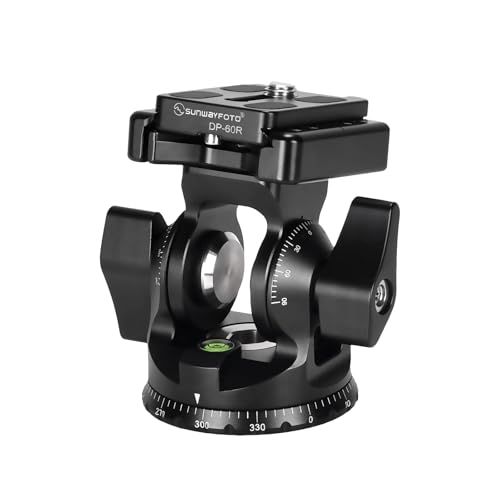
This 2-way tilt head offers dual-lock control and robust build at a lightweight weight. Its 360-degree panning base supports smooth landscape or panorama shots, and the dual-side locking ensures stability when shooting with telephoto lenses. The head uses a standard mounting interface, enabling quick setup on compatible monopods and tripods. It is well-suited for wildlife and sports photography where framing excursions require rapid, precise adjustments.
Andoer M-12 Monopod Tilt Head

The Andoer M-12 Tilt Head is designed for monopods, offering ±90° tilt and a quick-release plate for rapid camera mounting and removal. Its 38mm bottom diameter with 3/8″ threads provides flexible compatibility with many monopods and tripods. The tilt range makes it suitable for low-angle shots, macro work, or unique perspective angles, while the quick-release system speeds up on-site changes during shoots.
Benro Monopod Tilt Head – DJ90

The Benro DJ90 provides smooth tilt control up to 90 degrees, making it a strong option for video, sports, and wildlife where angle changes are frequent. Built from CNC-machined anodized aluminum, it emphasizes durability while remaining light enough for field use. Its universal mounting options include a 3/8″-16 base mount for monopods and 1/4″-20 camera screws, supporting DSLR and mirrorless setups with reliable stability.
SIRUI L-Series Tilt Head (L-20S)

The Sirui L-Series Tilt Head includes a TY-70S quick-release plate, a compact design, and a protective neoprene bag. A built-in spirit level aids alignment for precise framing, making it a practical choice for travel photography and video vloggers who require dependable tilt adjustments in compact, portable form. The head is designed to pair with various Sirui products for a cohesive system.
WEYLLAN MonoGimbal Head PH3

The WEYLLAN PH3 MonoGimbal Head combines aluminum construction with a gimbal-style design for heavy telephoto lenses. The Arca Swiss compatibility, safe-release clamp, and 3/8″ mounting hole provide versatile mounting on monopods or tripods. Its focus on balance around the lens’ center of gravity helps manage large lenses during pans and tilts, making it suitable for wildlife and action photography where weight distribution matters.
Buying Guide
- Mounting compatibility: Look for 3/8″ or 1/4″-20 threads and Arca-Swiss compatibility if you plan to mix with other quick-release plates and accessories.
- Tilting range and motion: Consider how far you need to tilt (e.g., up to 90° or more) and whether you need pan/tilt capability for panoramas and dynamic angles.
- Load capacity: Ensure the head can support your heaviest camera and lens combination, with a comfortable margin for stability during pans and tilts.
- Build material: Aluminum is common for a good balance of strength and weight; carbon fiber options are lighter but pricier.
- Locking mechanisms: Dual-lock or multi-knob systems can improve stability, especially on uneven ground or with long telephotos.
- Quick-release and ease of use: A reliable quick-release plate and a straightforward setup save time during shoots.
- Portability: Consider overall weight and folded length if you travel frequently or work in tight spaces.
- Additional features: Spirit level, removable handles, and panoramic scales can aid precision and ease of use.
These factors help compare the five selections above. For motion-focused work, heads with smooth pan and tilt with secure locks are essential. For wildlife or sports, load capacity and balance become decisive, especially under long, heavy telephoto lenses. For travel and vlogging, lighter builds with quick-release plates and compact profiles offer the best practicality.