Choosing the right memory card is crucial for reliable 4K video capture and smooth photo work. This guide highlights five high-performance SD cards that suit most video cameras and camcorders. We compare speeds, capacities, and reliability to help you pick the best memory solution for your recording needs.
| Product | Brand | Capacity | Key Benefit |
|---|---|---|---|
| SanDisk 128GB Extreme PRO SDXC UHS-I | SanDisk | 128GB | High offload speeds for 4K and sustained write |
| SanDisk 256GB Extreme SDXC UHS-I | SanDisk | 256GB | Large capacity with strong read/write performance |
| SanDisk 256GB Ultra SDXC UHS-I | SanDisk | 256GB | Solid value with reliable Full HD and 4K-ready speeds |
| SanDisk 128GB Ultra SDXC UHS-I | SanDisk | 128GB | Great balance of cost and performance for beginners |
| [5-Yrs Free Data Recovery] GIGASTONE 128GB SD Card | Gigastone | 128GB | Durable build with data recovery offer |
SanDisk Extreme Pro 128GB SD Card
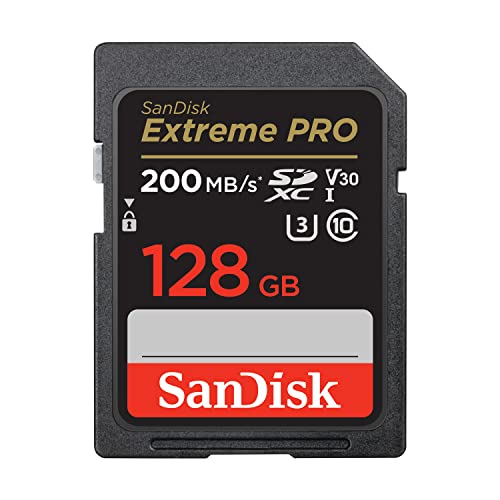
The 128GB Extreme PRO SDXC card emphasizes speed and reliability for 4K video capture. It supports up to 200MB/s read speeds with SanDisk QuickFlow Technology on compatible devices, enabling faster offloads and reduced downtime between takes. Write speeds are designed to support high-burst shooting and sustained recording, with speeds up to 90MB/s reported in internal tests. This card is commonly paired with professional readers to maximize throughput, making it a strong choice for demanding cameras and workflows. Real-world performance depends on host hardware and conditions.
SanDisk 256GB Extreme SDXC UHS-I

This 256GB Extreme model combines a large capacity with strong offload performance. SanDisk QuickFlow Technology supports read speeds up to 180MB/s, helping speed up the workflow when moving large 4K files to editors or storage. Write speeds reach up to 130MB/s on compatible devices, which helps maintain steady recording in high-bitrate scenarios. The card is designed to pair with high-performance readers for maximum throughput, although actual results depend on the camera, card reader, and file sizes.
SanDisk 256GB Ultra SDXC UHS-I

The 256GB Ultra card is positioned as a dependable workhorse for compact to mid-range cameras. It provides fast transfer speeds up to 150MB/s, enabling smoother backup and faster file transfers. While not the top-tier extreme model, its capacity and performance are well-suited for many enthusiasts and semi-professional setups. Users should verify device compatibility with UHS-I cards to ensure the expected speeds reach the card’s potential.
SanDisk 128GB Ultra SDXC UHS-I
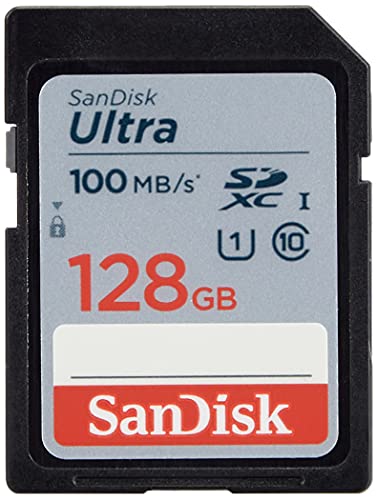
This 128GB Ultra card offers a balanced option for shooters who prioritize reliability and everyday performance. It supports Full HD and capable 4K workflows when paired with capable cameras and readers. It’s a common choice for enthusiasts stepping up from basic cards, providing a smooth experience for daily shoots and travel videos where capacity needs are moderate and cost is a consideration.
GIGASTONE 256GB SD Card

Though not among the top-tier pro options, Gigastone offers cards with data recovery services and 4K UHD compatibility. This 256GB capacity supports longer recording sessions or higher-bitrate footage. For critical productions, reliance on recovery services can add an extra layer of protection, though the card’s sustained write performance and long-term reliability should be evaluated against more established brands for demanding professional use.
Buying Guide
Key purchase considerations help you choose the right memory card for video cameras and capture workflows. Consider the following perspectives:
- Speed class and read/write performance: For 4K recording, prioritize high read speeds to expedite offloads and high write speeds to sustain continuous recording. Look for cards with UHS-I or better ratings, and check official sustained write speed figures when available.
- Capacity versus project length: Larger capacities (128GB, 256GB, and beyond) reduce the frequency of card swaps during long shoots. Balance storage needs with budget and camera card slot limits.
- Video format compatibility: Ensure the card supports your camera’s video formats (4K, Full HD, H.265/HEVC, etc.). Some cameras require specific speed classes to maintain recording stability.
- Reliability and durability: Cards should withstand real-world conditions. Look for resistance to water, temperature changes, shocks, and X-ray exposure for travel-heavy shoots.
- Reader compatibility and workflow: Offloading speed heavily depends on the card reader. A fast reader with USB-C or Thunderbolt interfaces can significantly reduce transfer times.
- Brand ecosystem and recovery options: Some brands offer extended warranties or data recovery services. Consider these options if your work involves high-stakes footage.
- Cost versus performance: Ultra-premium cards deliver top speeds but may exceed your needs. For many creators, a mix of high-capacity Extreme PRO and Ultra cards provides a solid balance of cost and performance.
When evaluating cards, compare official maximum read/write speeds to real-world performance claims. Reviews from other users, field tests, and compatibility notes for your camera model can help you avoid surprises during a shoot. For critical events or professional productions, prioritize cards rated for sustained high-speed video and verify with your camera’s documented requirements.