Choosing a reliable long-term timelapse camera is essential for documenting outdoor construction, weather changes, plant growth, and landscape transformations. This guide highlights five standout models designed for extended operation, rugged environments, and easy setup. Each entry includes key features like battery life, IP ratings, and capture modes to help you compare performance over months of shooting.
Summary of selected products
| Product | Brand | Key Strengths | Battery Life |
|---|---|---|---|
| Dsoon Time Lapse Camera (TL3000) | Dsoon | 4K imaging, 90-degree IPS display, long standby | Up to 180 days |
| Caupureye Time Lapse Camera | Caupureye | Infrared positioning, four modes, clear framing | Approx. 180 days |
| Dsoon Time Lapse Camera (TL2100) | Dsoon | 1080P video, 110° lens, long standby | Up to 180 days |
| Brinno Empower TLC2020 with ATH1000 | Brinno | HDR and long battery with weatherproof case | Up to 99 days |
| YOTOMIGUO Time Lapse Camera | YOTOMIGUO | 4K FHD, IP66, 180-day standby, multiple modes | Up to 180 days |
Dsoon TL3000 4K Time Lapse Camera

The Dsoon TL3000 timelapse camera emphasizes high-definition 4K imaging combined with fill light technology to deliver sharp visuals even in low-light settings. An IPS display with a 90-degree flip enhances shooting comfort, especially on uneven job sites. Its rugged IP66 rating supports outdoor use in challenging weather, and the model features an exceptionally long battery life suitable for six-month projects. Setup is straightforward: connect to power and let the device cycle shots until the SD card fills.
Caupureye Timelapse Camera

The Caupureye model focuses on precise framing with infrared positioning lights and a detachable external time-lapse button. It offers four shooting modes, including a dedicated timelapse option that compiles imagery into a seamless video, together with a timing mode for individual clips. The camera captures 1080P videos and 2MP photos, delivering clear detail on outdoor projects, gardens, and landscapes while maintaining flexibility for different workflows.
Dsoon TL2100 Timelapse Camera
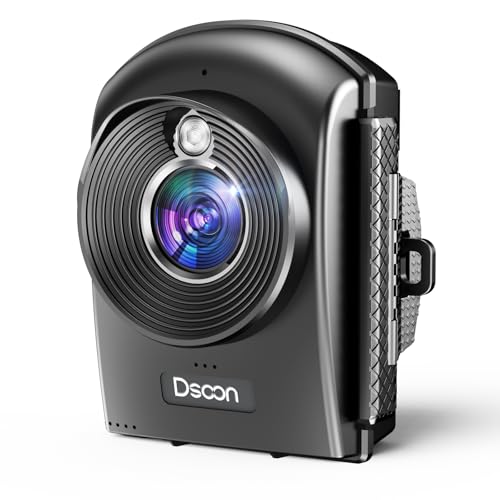
The TL2100 pairs 1080P Full HD recording with a wide 110° lens to capture broad scenes in detailed clarity. It supports a 180-day standby operation when using a 5-minute interval and 12 AA batteries, a practical setup for extended remote sites. Like other long-term cameras, it emphasizes simple operation: install batteries, and the device will continuously cycle shots until the microSD card is full, enabling hands-off long-term documentation.
Brinno Empower TLC2020 with ATH1000 Case

The Brinno Empower TLC2020 emphasizes a durable combination with an ATH1000 waterproof case. It delivers HDR-quality 1080P footage and a wide 118° field of view, making it well-suited for outdoor environments prone to moisture and dust. The camera supports multiple modes including timelapse, step video, and stop motion, enabling varied content over long projects. A 99-day battery life with a simple 5-minute interval makes it a practical off-grid choice when planning chronicling of environmental changes.
YOTOMIGUO 4K Timelapse Camera
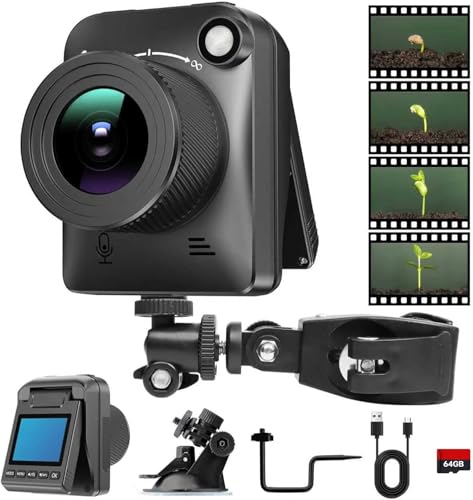
The YOTOMIGUO timelapse camera delivers 4K High-Definition output for exceptionally crisp imagery, aided by a Starvis sensor and an IP66 waterproof rating. The 180-day standby period supports half-year monitoring of construction sites, plant growth, or weather progression. It includes a 64GB TF card and operates with several shooting modes, including Timelapse and Manual Macro Focus, allowing users to document both large-scale changes and fine details with ease.
Buying Guide: Key Purchase Considerations
- Battery life and power strategy: For long-term projects, prioritize cameras advertised with 120–180 days of standby at moderate intervals, or those that support external power sources when possible. Consider how easy it is to replace batteries or switch to a continuous power supply when needed.
- Image quality and sensor performance: 4K timelapse offers the most detail, especially for large construction sites or landscape studies. If budget is a concern, 1080P with a good low-light capability and a wide field-of-view can still deliver strong results.
- Low-light capability: Cameras with fill-light technology and wide-angle starlight lenses generally perform better at dawn, dusk, or overcast days, reducing grainy footage and minimizing post-processing needs.
- Durability and weatherproofing: For outdoor use, an IP rating (IP66 or IP67) protects against dust and water. A rugged housing further extends life on rough or remote jobsites.
- Framing and setup: Infrared positioning aids and external timelapse buttons simplify initial framing, especially when cameras are mounted in hard-to-reach locations. Look for flip screens or adjustable displays to improve ease of composition.
- Storage and file management: Ensure your camera supports reliable SD card capacity and easy file transfer. Larger cards enable longer capture periods without frequent emptying.
- Modes and versatility: Timelapse-specific modes, stop-motion options, and timing modes enable diverse content over the course of a project, increasing the camera’s utility beyond simple time-lapse capture.
How to Choose For Your Needs
- Construction projects: Favor higher-resolution imaging (4K if possible) with long battery life and wide-angle coverage to capture site progression and site activities from a distance.
- Nature and weather monitoring: Look for reliable low-light performance, infrared aids, and extended standby times, since lighting conditions change with weather and seasons.
- Plant growth and landscape studies: A camera with four shooting modes and precise framing helps document growth patterns and environmental changes with flexibility.
- Remote sites: Prioritize IP-rated housings and battery-powered operation that can function for months without frequent maintenance, plus straightforward setup for initial deployment.
In summary, each of the highlighted models offers a practical balance of long standby durations, rugged design, and flexible shooting options suited to American outdoor environments. The best choice depends on whether you prioritize 4K detail, extreme battery life, or a versatile mode set for varied timelapse storytelling over time.