Large format and medium format pinhole cameras offer a unique, ultra-soft aesthetic and distinctive depth of field. This guide highlights five standout options ideal for enthusiasts and newcomers alike, focusing on panorama- and square-format versatility, built-in features, and DIY charm. Explore each model’s strengths, supported film types, and creative possibilities to help you choose the best fit for your pinhole journey.
| Product | Brand | Key Feature |
|---|---|---|
| HOLGA 120 Pan Panoramic Medium Format | HOLGA | 6×12 cm panoramic images with 90mm lens |
| Diana F+ Camera | Lomography | Dreamy 120 film results with retro styling |
| Holga 785120 120N | HOLGA | 2 masks for 12-6×6 or 16-6×4.5, adjustable exposure |
| HOLGA 120GCFN | HOLGA | Built-in flash, color filters, glass lens |
| Holga 120N | HOLGA | Simple, classic plastic 6×6/6×4.5 masking |
The following sections present five carefully chosen options, each with an emphasis on creative potential, ease of use, and classic pinhole/medium-format charm. Click through to the product pages for full specifications and image examples.
HOLGA 120 Pan Panoramic Overview
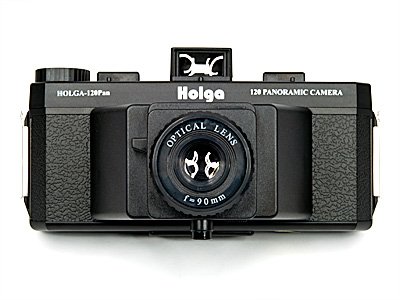
The HOLGA 120 Pan is designed to capture panoramic 6×12 cm images using a 90mm optical lens. Its panoramic viewfinder aids composition, enabling creative framing of expansive landscapes, cityscapes, and architectural scenes. The camera’s characteristic soft focus and vignette result are key to HOLGA’s signature look, appealing to shooters seeking a nostalgic, cinematic feel. Compatible with 120 film, this model emphasizes straightforward operation and bold, wide-format panoramas.
Diana F+ Camera & Flash

The Lomography Diana F+ is a classic dream-pop option for 120 film enthusiasts. Its soft focus, creative potential, and optional flash allow for vibrant, retro-styled photographs. The camera supports color gel filters to experiment with mood and tone. This model is favored for its playful character and the ease of achieving painterly, hazy images reminiscent of vintage toy cameras.
Holga 785120 120N Panorama

The Holga 785120 120N offers a straightforward medium format experience with two film masks to toggle between 12-6×6 cm and 16-6×4.5 cm formats. Shutter options include normal 1/100 second and a bulb setting for long exposures. With two aperture choices (f/11 for bright sun, f/8 for cloudy) and optional hot-shoe, this model is a versatile platform for experimental photography and low-cost practice in pinhole-like depth of field artistry.
HOLGA 120GCFN With Built‑In Flash
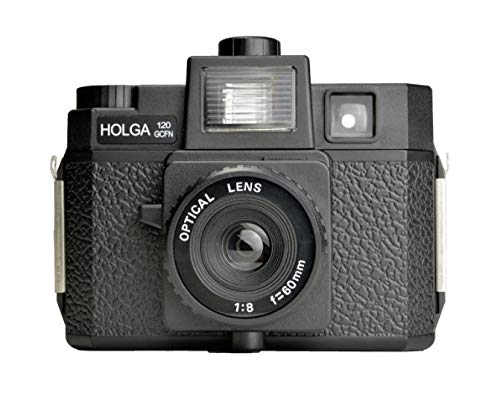
The HOLGA 120GCFN adds a built-in flash and glass lens to the classic HOLGA design. It uses 120 medium format film and includes two masks for 12-6×6 cm or 16-6×4.5 cm images. The camera offers shutter speeds such as normal 1/100s and a bulb setting, plus apertures of f/11 (sunny) and f/8 (shadow/flash). A standard tripod mount, lens cap, strap, and basic battery support round out its feature set for flexible, creative shooting indoors or outdoors with controlled lighting.
Holga 120N Plastic Camera

The Holga 120N emphasizes simplicity with a classic plastic body and masking options for 12-6×6 cm or 16-6×4.5 cm formats. Shutter speeds include 1/100s (normal) and a bulb setting for long exposures, with apertures of f/11 for sunny conditions and f/8 for shade/flash. This model embodies the intuitive, hands-on experience that pinhole and toy cameras are known for, inviting experimentation and spontaneous compositions.
Buying Guide: Key Purchase Considerations
When selecting a large format or pinhole-style camera, consider how you plan to shoot, your preferred film format, and the level of portability you need. The following perspectives help clarify trade-offs across models:
- Image aesthetics: Panoramic options deliver wide compositional possibilities, while 6×6 and 6×4.5 formats emphasize square and rectangular frames with characteristic vignette and softness. Decide which look aligns with your creative goals.
- Film handling and masks: Cameras with film masks offer flexibility between formats. Masks affect how you compose and what frame options you have in-camera, influencing post-processing workflows.
- Exposure control: Shutter speeds and apertures vary by model. For bright daylight, choose higher shutter speeds and smaller apertures; for cloudy days or night scenes, bulbs and wider apertures enable longer exposures and unique light trails.
- Built-in features: A built-in flash or glass lens can alter image clarity and flash photography capabilities. In some cases, external flashes or gel filters expand creative range without sacrificing simplicity.
- Accessories and compatibility: Tripod mounts, filters, and compatibility with Instax or other film formats can broaden or constrain how you shoot. Consider available accessories that suit your workflow.
- Durability and maintenance: Plastic camera bodies are lightweight and affordable but may show wear with frequent use. Glass lenses and sturdy builds provide longer-term reliability for more intense shooting environments.
- Learning curve: Toy-like cameras encourage experimentation and forgiving results, while more feature-rich models require understanding masking and exposure settings to achieve consistent results.
- Budget and availability: While prices vary, these options tend to be accessible for enthusiasts seeking analog experimentation without prohibitive costs. Consider film, processing, and potential maintenance when budgeting.
These perspectives help balance artistic ambition with practical constraints, enabling you to choose a camera that matches your skill level, desired look, and shooting scenarios.