Exploring large format and medium format film photography opens up a world of texture, depth, and vintage charm. This guide highlights five strong options from trusted brands, spanning toy-style medium format classics to half-frame and panoramic formats. Each pick emphasizes build, ease of use, and distinct image characteristics suitable for both beginners and seasoned shooters. Below is a concise summary to help you compare at a glance.
| Product | Brand | ||
|---|---|---|---|
| Holga 120N Medium Format Camera (Black) | Medium Format 120 | Classic toy camera with zone focus | HOLGA |
| Fujifilm Instax Wide Film Twin Pack | Instax Wide | Wide format for group shots and landscapes | Fujifilm |
| KODAK EKTAR H35 Half Frame Camera | Half-Frame 35mm | Compact half-frame design with 24exp bundle | KODAK |
| Canon Rebel 2000 SLR Film Camera | 35mm SLR | Autofocus and built-in flash | Canon |
| Holga 120 Pan Panoramic Camera | Panoramic 6×12 | 90mm lens for panoramic images | HOLGA |
Holga 120N Black Medium Format Camera

The Holga 120N Black is a classic toy camera known for its simple, hands-on operation and distinctive lo-fi aesthetic. It features a 60mm f/8 plastic lens and a versatile zone focusing system, making it approachable for beginners while offering creative imperfections that enthusiasts often seek. The compact form and cult status render it a staple for photographers exploring medium format film textures and square frame compositions.
KODAK EKTAR H35 Half Frame Camera Bundle

The Kodak EKTAR H35 Half Frame Camera delivers a compact 35mm experience with a half-frame format, effectively doubling your exposure count per roll. The bundle includes a 24-exposure film, aligning with shooters who want extended sessions without frequent film changes. Its simple design emphasizes portability while offering the Kodak name’s reliability for color and sharpness in everyday scenes.
Canon Rebel 2000 SLR Film Camera

The Canon Rebel 2000 SLR provides a classic 35mm SLR experience with an autofocus system and a built-in flash. This renewed model supports Canon’s broad ecosystem of lenses and accessories, making it a practical choice for photographers seeking familiar ergonomics and reliable performance in a traditional 35mm format. The 28-80mm kit lens adds versatility for everyday subjects, portraits, and landscapes.
Holga Holga 120 Pan Panoramic Camera
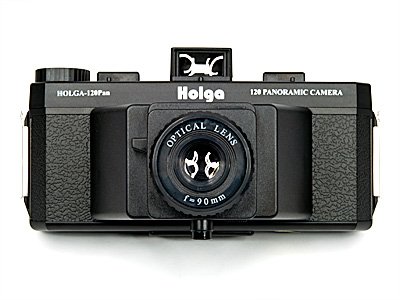
The Holga 120 Pan is designed for panoramic portraits and landscapes with a 90mm panoramic lens. Its specialized viewfinder helps compose wide scenes, and the camera’s 120 film format remains a playful option for creative, wide-angle storytelling. The panoramic format enables dramatic horizons and unique depth across scenes that benefit from expansive framing.
Holga 785120 120N White Camera

The Holga 785120 120N White model offers standard 120 film capabilities with a pair of masks for different image sizes (6×6 or 6×4.5 cm). It brings classic toy-camera charm with straightforward shutter controls (1/100 s and bulb) and versatile aperture options (f/11 sunny, f/8 cloudy). A hot-shoe adapter expands lighting options for creative lighting setups in various environments.
Buying Guide: Key Considerations For Large Format And Medium Format Film Cameras
When choosing a large format or medium format film camera, consider format, image style, and handling to match your shooting goals.
- Format and image size: Medium format (like 6×6 or 6×7) delivers more grain, detail, and tonal range than 35mm, while half-frame doubles exposure counts from a 36-exposure roll. Panoramic formats provide wide, dramatic perspectives.
- Lens and optics: Fixed-lens cameras (Holga) offer character and charm, while interchangeable or zoom options (Canon REBEL setups) add versatility for everyday photography and experimentation.
- Ease of use: Toy cameras prioritize simplicity and unpredictability, ideal for learning film behavior and exposure ethics. More advanced SLRs provide focus systems, built-in metering, and flash options for consistent results.
- Film availability and cost: Different formats require specific film stock (120, 35mm, Instax). Plan for film availability, processing, and budget across sessions.
- Maintenance and compatibility: Older or renewed cameras may require maintenance (light seals, battery compatibility, lens clarity). Confirm lens focal lengths and shutter types match your preferred shooting style.
- Creative potential: Toy cameras yield unique vignetting and softness; panoramic models encourage expansive scene composition. Half-frame cameras maximize shot count, which is useful for travel or extended shoots.
- Portability and durability: If you shoot on location, consider weight, bulk, and build quality. Some cameras are rugged and forgiving, while others are delicate or require careful handling.
Across these options, the selection spans user-friendly, beginner-friendly devices and more expressive, character-rich cameras. Each model can serve distinct projects—from street photography and portraits to landscapes and experimental stills. When paired with the right film stock and development style, these cameras reveal how format and design influence mood, grain, and color rendition in your imagery.