The following guide highlights five top full-frame video cameras that balance image quality, autofocus, and video features for American creators. Each option is evaluated for hybrid shooting, low-light performance, and overall usability in real-world workflows. Read on to compare core capabilities and find the right fit for your storytelling needs.
Summary Table
| Product | Key Strengths | Video Capabilities |
|---|---|---|
| Sony Alpha 7 IV Kit (28-70mm) | 33 MP sensor, strong processing, versatile zoom lens | Up to 4K 60p, 10-bit 4:2:2, full-pixel readout |
| Canon EOS R6 Mark II (Body) | 24.2 MP, Dual Pixel AF, robust image stabilization features | High-speed shooting, strong low-light performance |
| Sony Alpha 7 IV (Body) | 33 MP, robust processing, durable design | Up to 4K 60p, 10-bit 4:2:2, full pixel readout |
| Canon EOS R5 (Body) | 45 MP, advanced processing, excellent detail | 8K video, high-quality 4K, robust AF |
| Canon EOS R8 (Body) | Lightweight full-frame with strong autofocus | 4K video, Dual Pixel AF II, compact design |
Each camera offers distinct advantages depending on your priorities—whether you need higher resolution for post, refined autofocus for action, or a lighter setup for travel and vlogging. The sections below detail five selected models with direct product links and key features to help you compare quickly.
Sony Alpha 7 IV Kit With 28-70mm Lens

This camera pairs a 33 MP full-frame Exmor R back-illuminated CMOS sensor with the next-generation BIONZ XR processor, delivering high resolution and fast processing for both stills and video. It supports recording up to 4K 60p with 10-bit 4:2:2 color and full pixel readout across all formats, which helps retain detail and color accuracy in demanding scenes. The kit’s 28-70mm zoom provides flexible framing for a variety of shoots—from run-and-gun interviews to cinematic b-roll. For video shooters, reliable autofocus, solid dynamic range, and a robust build are notable benefits. Consider this option if you want a high-resolution hybrid camera with solid video capabilities out of the box.
Key features referenced:
– 33MP Exmor R backside-illuminated sensor
– Next-gen BIONZ XR processor
– 4K 60p, 10-bit 4:2:2, full-pixel readout
Canon EOS R6 Mark II (Body Only)

The Canon EOS R6 Mark II is a continued evolution of Canon’s hybrid lineup, featuring a 24.2 MP full-frame CMOS sensor paired with the DIGIC X processor. This combination emphasizes low-light performance and smooth color reproduction, with enhanced subject detection and Dual Pixel CMOS AF II. Its robust autofocus and reliable image stabilization help produce sharp stills and stable video, while capable continuous shooting up to high frame rates makes it versatile for action and sports videography. The body offers durability and a familiar Canon handling feel for creators invested in RF lenses.
Key features referenced:
– 24.2 MP full-frame CMOS sensor
– DIGIC X processor
– Dual Pixel CMOS AF II; up to 40 fps electronic shooting
Sony Alpha 7 IV (Body)

The Sony A7 IV model emphasizes versatility with a 33 MP back-illuminated sensor and the established BIONZ XR processing engine. It supports 4K 60p recording with 10-bit 4:2:2 and full-pixel readout in all formats, making it suitable for cinematic storytelling and high-fidelity video work. The camera’s design prioritizes ergonomics and durability, with options favorable for handheld shooting and long sessions. It’s a strong middle-ground choice for creators who want effective hybrid performance with familiar Sony color science.
Key features referenced:
– 33MP Exmor R full-frame sensor
– BIONZ XR processing
– 4K 60p, 10-bit 4:2:2, full-pixel readout
Canon EOS R5 Mirrorless (Body)
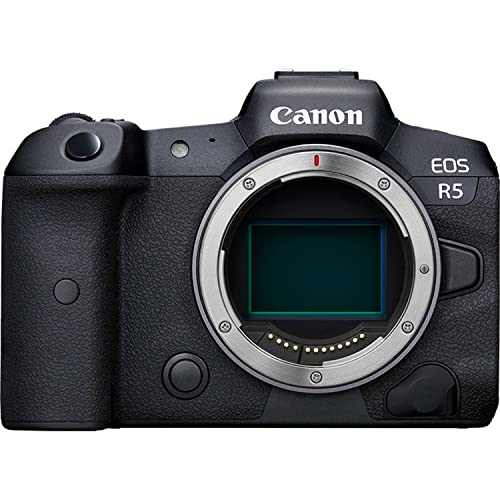
The Canon EOS R5 stands out with its high-resolution 45 MP full-frame sensor, delivering exceptional detail for both photography and video. The DIGIC X processor enhances overall speed, low-light performance, and color handling, supporting 8K video capture and advanced AF performance. When shooting in 4K, you can expect strong color fidelity and robust dynamic range, making the R5 a compelling choice for creators who need top-tier image quality for future-proofing projects. This model suits those prioritizing resolution and cinematic flexibility in a single package.
Key features referenced:
– 45 MP full-frame sensor
– DIGIC X processor
– 8K video capability and fast AF
Canon EOS R8 Mirrorless (Body)
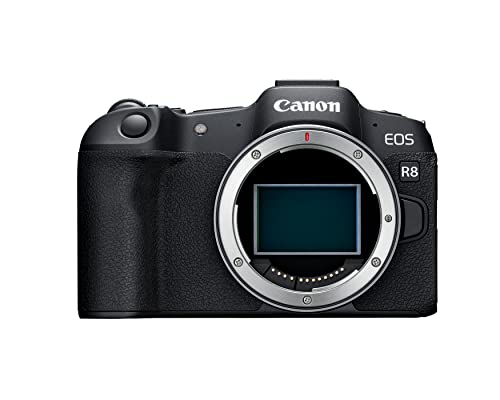
The Canon EOS R8 is a lightweight full-frame option built for content creators who value portability alongside strong imaging capabilities. It features a 24.2 MP CMOS sensor and the DIGIC X processor, delivering reliable performance for both stills and video. Dual Pixel CMOS AF II provides broad subject coverage and efficient autofocus across different shooting scenarios, making the R8 a practical choice for travel vlogging, interviews, and run-and-gun productions. The camera’s compact design helps reduce fatigue during longer shoots without sacrificing image quality.
Key features referenced:
– 24.2 MP full-frame sensor
– DIGIC X processor
– Dual Pixel CMOS AF II with wide AF coverage
Buying Guide
When choosing a full-frame video camera, consider these core purchase factors to align with your workflow and budget:
- Resolution vs. practicality: Higher resolution cameras (e.g., 45 MP) offer superior still image quality and post-cropping flexibility, but require more storage and processing power for 4K workflows. If you primarily publish videos, prioritize robust video specs (4K/60p, 10-bit 4:2:2) over extreme still resolution.
- Autofocus performance: Dual Pixel CMOS AF II and comparable systems offer reliable subject tracking. For documentary or interview work, trustworthy AF across faces, eyes, and motion is essential.
- Low-light capabilities: Look for sensors and processors designed to minimize noise at higher ISO values. This is critical for indoor shoots, weddings, and event coverage.
- Ergonomics and handling: Weight, grip comfort, and button layout influence long shoots. Accessories like cages, external monitors, and mic rigs should fit your typical setup.
- Lens ecosystem: A strong line-up of native lenses and compatibility with existing systems can reduce total cost and expand creative options. RF, E-mount, and other systems each offer distinct advantages.
- Video features: Check for 4K 60p, 10-bit color, log profiles (S-Log, C-Log, etc.), and built-in stabilization. These features impact post-production flexibility and image quality.
- Workflow integration: Consider file formats, compatibility with editors, and whether you need built-in features like dual card slots, high-speed I/O, and reliable battery performance for on-location shoots.
- Portability vs. performance: If you travel frequently, lighter bodies with compact lenses can reduce fatigue and increase on-site efficiency without sacrificing the core video capabilities.
Bottom line: For a blend of high resolution and strong video features, the Sony A7 IV line and Canon R5/R8 offerings provide solid options for hybrid work. If your priority is color science and Canon-specific lens ecosystems, the R6 II and R5 are particularly compelling. Always match the camera to your typical subjects, shooting style, and post-production needs to maximize return on investment.