For photographers seeking the classic rangefinder experience with modern full-frame capabilities, today’s market blends ultra-high resolution sensors, precise manual controls, and compact bodies. This guide highlights five top options—two Sony full-frame mirrorless bodies, two Leica rangefinders, and a versatile full-frame telephoto lens—that together cover high-resolution imaging, fast shooting, and impressive optical performance. The selections emphasize image quality, handling, and the rangefinder-like experience many photographers value in a premium system.
| Product | Brand | Key Strength | Amazon Link |
|---|---|---|---|
| Sony Alpha 7CR Full-Frame | Sony | 61MP resolution; compact body | View |
| Canon RF70-200mm F2.8 | Canon | Bright telephoto zoom; flexible range | View |
| Sony Alpha 7CR (Black) | Sony | 61MP handheld rangefinder-style imaging | View |
| Leica M11 (Silver) | Leica | Triple Resolution and advanced shading | View |
| Leica M11 Monochrom | Leica | Monochrome sensor with extended ISO and detail | View |
Sony Alpha 7CR Full-Frame (Silver)

The Sony Alpha 7CR blends high-resolution imaging with a compact body, offering a full-frame 61.0-megapixel Exmor R sensor paired with advanced BIONZ XR processing for refined detail, accurate color, and low-noise performance. While compact, the camera provides a robust feature set for stills and video, delivering sharp imagery with a consideration for travel-friendly ergonomics. The 61MP resolution enables large prints and flexible cropping without sacrificing detail, making it a strong choice for landscape, studio, and street photographers who value resolution without bulky gear.
Sony Alpha 7CR Black

The Black variant of the Sony A7CR emphasizes the same high-resolution capabilities with identical processing power. The camera’s lightweight construction, combined with the full-frame sensor, supports handheld shooting with minimal fatigue. Its BIONZ XR processor accelerates continuous shooting and image processing, helping maintain sharpness in fast-moving scenes. This model is well-suited to photographers who want a discreet, high-performance full-frame option with professional-level image quality.
Leica M11 Digital Rangefinder (Silver)

The Leica M11 centers on a sophisticated full-frame BSI CMOS sensor with Triple Resolution Technology, allowing output at 60MP, 36MP, or 18MP while using the entire sensor area. An enhanced infrared/ultraviolet cut filter reduces oblique light distortions, improving color accuracy in challenging lighting. The camera also features a high-resolution 2.3-million-pixel touchscreen and an ergonomic control layout designed for intuitive operation. These elements collectively support precise manual focusing and a distinctive rangefinder experience aligned with Leica’s heritage.
Leica M11 Monochrom
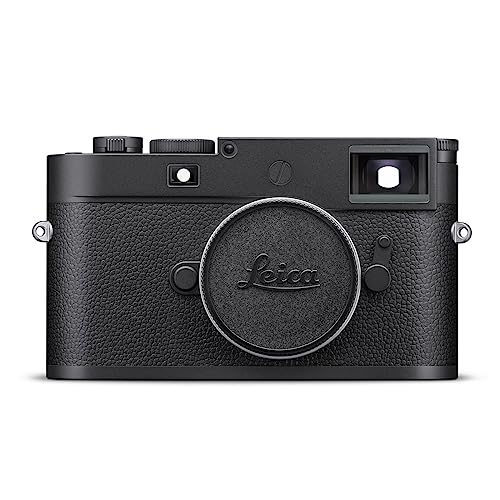
The Leica M11 Monochrom differentiates itself by removing the color filter array to capture true monochrome data with enhanced luminance and dynamic range. The 60MP full-frame sensor benefits from the M11’s Triple Resolution Technology, enabling flexible output at 60MP, 36MP, or 18MP. ISO performance extends to ISO 125-200000, delivering improved detail in low light without the color noise typical of color sensors. The Maestro III processor supports rapid processing, making it suitable for documentary work where tonal separation and light sensitivity are critical.
Canon RF70-200mm F2.8 L is USM Lens

While primarily a versatile telephoto zoom for full-frame mirrorless cameras, the Canon RF70-200mm F2.8 L IS USM complements high-resolution bodies by delivering bright, consistent performance across a broad focal range. With a fast f/2.8 aperture and optical image stabilization up to five stops, this lens helps photographers isolate subjects while maintaining edge-to-edge sharpness. Its size and weight are balanced for often-used portraits, sports, and landscape setups, making it a strong partner to any full-frame system that prioritizes image quality and flexibility.
Buying Guide: Key Considerations for Full-Frame Rangefinder Systems
- Sensor resolution versus practical benefits: Higher megapixels offer more cropping latitude and detail, but can demand faster storage and processing. Consider how you plan to print or publish work when choosing resolution.
- Viewfinding experience: Leica rangefinders emphasize manual focus and frame composition, while Sony’s mirrorless setups provide electronic viewfinders with live exposure previews. Decide which workflow aligns with your style.
- Ergonomics and handling: Rangefinder-style bodies prioritize balance and ease of use for all-day shooting. Ensure the camera’s grip, button layout, and menu navigation suit your hand size and shooting preferences.
- Lens ecosystem: A robust set of native lenses enhances your ability to adapt to different genres—portraits, landscapes, wildlife. The Canon RF and Leica lines complement high-res bodies with specialized optics.
- Low-light performance: Dynamic range and ISO handling determine how well a camera performs in dim environments. Look for sensors with strong noise performance and versatile ISO ranges.
- Processing power: Modern cameras rely on fast processors to handle heavy RAW workloads and 4K/8K video. BIONZ XR and Maestro series processors are common in premium models and speed up editing workflows.
- Portability versus durability: If you travel or shoot on location, weight and build quality matter. Some compact full-frame bodies trade a little grip for reduced bulk without compromising image quality.
- Price-to-performance balance: Premium full-frame systems offer exceptional quality, but consider if you need the top-tier features or if a high-quality mid-range option better matches your budget.