For professional imaging, full-frame cameras offer superior low-light performance, dynamic range, and prestige-worthy image quality. This guide highlights five top options across stills and cinema work, balancing resolution, autofocus, video features, and overall reliability. Each entry includes a direct Amazon link, image, and core specifications drawn from current listings to help compare capabilities at a glance.
| Product | Brand | Key Feature |
|---|---|---|
| Sony Alpha 7 IV Full-frame Mirrorless Interchangeable Lens Camera with 28-70mm Zoom Lens Kit | Sony | 33MP sensor, BIONZ XR engine, 4K 60p 10-bit |
| Nikon Z5 II with Telephoto Zoom Lens | Nikon | 24.5MP FX-format, up to 30fps, -10EV autofocus |
| Sony FX3 Full-Frame Cinema Camera with XLR Handle | Sony | Full-frame cinema with 15+ stops DR, Dual base ISO |
| Sony Alpha 7R V Full-Frame Mirrorless | Sony | 61MP, AI-driven real-time recognition, advanced AF |
| Blackmagic Design Cinema Camera 6K | Blackmagic Design | 6K full-frame sensor, DaVinci Resolve Studio included |
Sony Alpha 7 IV Kit — 28-70mm

The Sony Alpha 7 IV combines a 33MP full-frame Exmor R sensor with the next-generation BIONZ XR engine for high-resolution stills and robust AF performance. Video supports up to 4K at 60p with 10-bit 4:2:2 color and full-pixel readout across recording formats, delivering versatile stills and cinematic footage in a compact body. This kit includes a 28-70mm zoom lens, offering flexible framing for events, portraits, and travel photography. The camera’s improved processing and color science help deliver clean images in diverse lighting conditions, while menu and control layouts remain familiar to Sony shooters.
Nikon Z5 II with Telephoto Zoom Lens

The Nikon Z5 II pairs a 24.5MP BSI-CMOS FX-format sensor with the EXPEED 7 processor, delivering high-resolution performance and up to 30fps shooting. It features advanced autofocus with automatic detection for multiple subjects and superb low-light capability, including autofocus down to -10EV and up to 7.5 stops of IBIS. The bright EVF and dual SD UHS-II slots support professional workflows, while the included telephoto zoom lens expands versatility from wide landscapes to telephoto portraits and events.
Sony FX3 Full-Frame Cinema Camera
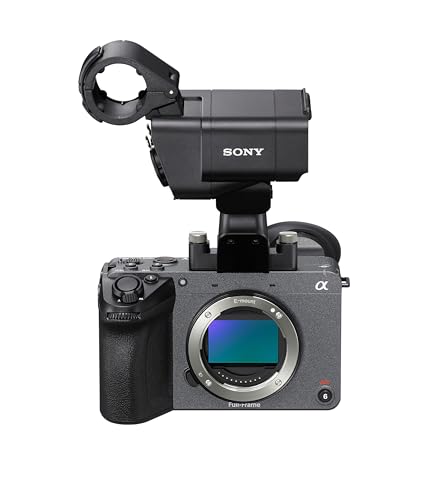
The Sony FX3 is designed for professional cinema work with a full-frame Exmor R 33MP sensor and BIONZ XR processing, delivering 15+ stops of dynamic range in Log mode and dual base ISO for broad exposure flexibility. Its compact, lightweight body supports handheld operation and rigging for run-and-gun shoots. Flexible Log shooting modes, including Cine EI and Cine EI Quick, enable streamlined color workflows with high-quality footage suitable for independent productions and documentary work.
Sony Alpha 7R V Full-Frame Mirrorless

The Sony Alpha 7R V pushes resolution and intelligence with a 61MP full-frame Exmor R sensor and a new AI processing unit for Real-time Recognition autofocus. This model is aimed at demanding landscape, macro, and studio photographers who require extremely high resolution without sacrificing speed or AF reliability. The camera also benefits from enhanced subject detection and improved low-light capabilities, making it a strong choice for professionals who need ultimate detail and flexibility in post.
Blackmagic Design Cinema Camera 6K

The Blackmagic Design Cinema Camera 6K offers a full-frame-like 6K sensor with Leica L-mount compatibility and 13 stops of dynamic range. It records in Blackmagic RAW with DaVinci Resolve Studio included, enabling a complete end-to-end workflow from shooting to color grading. Dual gain ISO up to 25,600 helps in harsh lighting, and the camera supports external storage options for flexible production setups, making it a compelling option for indie filmmakers and documentary crews seeking cinema-grade results on a tighter budget.
Buying Guide: Key Purchase Considerations
- Resolution vs. workflow: Higher megapixels benefit stills and cropping, but can demand more from memory and processing. Consider whether you prioritize resolution (7R V), or balance with speed and low light (7 IV, FX3).
- Video capabilities: For cinema work, features such as 4K/60p 10-bit, 4K/120p, Log profiles, Dual Base ISO, and external recording options matter. The FX3 and Blackmagic offer strong video paths; hybrids like the 7 IV provide solid video as well.
- Autofocus and tracking: Real-time recognition AI, subject detection for people and animals, and reliable eye/face tracking are critical for events and journalism. The 7R V and FX3 showcase advanced AF ecosystems.
- Low-light performance and image stabilization: Look for sensors with good high-ISO performance and IBIS performance (e.g., Nikon Z5 II) to maintain sharpness in dim environments.
- Lens ecosystem and flexibility: Lenses included with kits influence initial versatility. Consider future purchases and mount compatibility for long-term use.
- Ergonomics and durability: For field work, body weather sealing, grip comfort, and control layout impact long shoots. Cinema-focused bodies offer rugged builds, whereas hybrids emphasize lighter setups.
- Workflow integration: Look for RAW/Log options, color science, and compatibility with editing software and post pipelines to minimize grading time.
- Budget and future-proofing: A mix of high-resolution stills and solid video capabilities often guides the choice toward flagship models or cinema-line cameras depending on project types.
Choosing the best full-frame camera depends on your primary use: studio portraits and landscapes may benefit from higher resolution (7R V), while event or documentary work may prefer reliable autofocus and video features (FX3, 7 IV). Cinema-focused users might lean toward the FX3 bundle or Blackmagic 6K for post-production flexibility.