Choosing the right full-frame camera body can elevate image quality, dynamic range, and performance in low light. This guide highlights five top options that balance resolution, speed, autofocus, and portability. Each section links to an Amazon listing for quick reference and compares core strengths to help you decide which body fits your shooting style.
| Model | Brand | Key Strength | Sensor | Video Capabilities |
|---|---|---|---|---|
| Canon EOS R6 Mark II | Canon | Fast continuous shooting; Dual Pixel AF | 24.2 MP | 4K video with strong AF |
| Sony Alpha 7 IV | Sony | Advanced processing; robust 4K/60p | 33 MP | 4K 60p 10-bit |
| Canon EOS R5 | Canon | 8K video; high-end stills | 45 MP | 8K and 4K |
| Canon EOS R8 | Canon | Lightweight full-frame option | 24.2 MP | 4K |
| Canon EOS RP | Canon | Very compact full-frame body | 26.2 MP | 4K/Full HD |
Note: All models above are capable of delivering excellent image quality and professional-grade performance. The table above is a quick snapshot to help you compare core aspects at a glance.
Canon EOS R6 Mark II Mirrorless Camera (Body Only)

The Canon EOS R6 Mark II pairs a 24.2 MP full-frame CMOS sensor with the DIGIC X image processor to deliver responsive performance, strong autofocus, and improved image stabilization. The camera supports high-speed continuous shooting and Dual Pixel CMOS AF II for reliable subject detection across scenes. This body is well-suited for event photography, sports, and videography, offering solid low-light performance and smooth 4K recording options.
Sony Alpha 7 IV Full-frame Mirrorless

The Sony A7 IV features a 33 MP full-frame back-illuminated sensor and the latest BIONZ XR processor, delivering excellent detail, color, and dynamic range. It supports 4K video at 60p with 10-bit color and full pixel readout, making it a strong choice for hybrid shooters who want robust stills and cinema-quality video in a single body. Its autofocus is known for depth-aware subject detection and reliable performance across situations.
Canon EOS R5 Mirrorless Camera (Body Only)
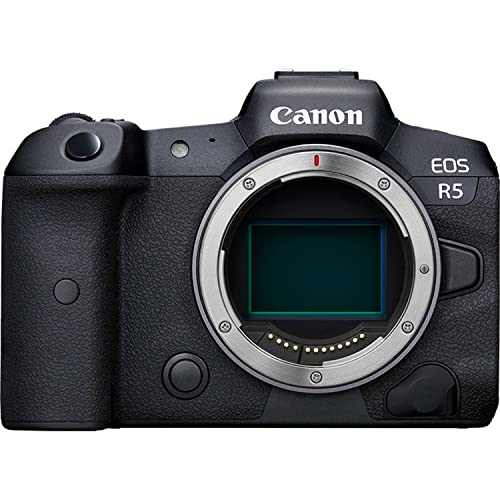
The Canon EOS R5 is a high-end hybrid camera with a 45 MP full-frame sensor and the DIGIC X processor. It supports up to 8K video capture and high-speed stills, delivering exceptional image quality, wide latitude for post-processing, and advanced autofocus performance for moving subjects. This body is ideal for professionals who demand maximum resolution and video capabilities in a single package.
Canon EOS R8 Mirrorless Camera Body
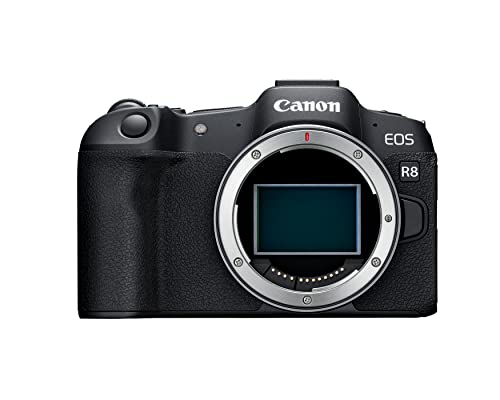
The Canon EOS R8 offers a lighter, more affordable entry into full-frame Canon mirrorless shooting with a 24.2 MP sensor and the DIGIC X processor. It features Dual Pixel CMOS AF II with broad subject detection, a compact body design, and solid 4K video capabilities. This model suits creators who want a capable, travel-friendly full-frame option without carrying extra weight.
Canon EOS RP Full Frame

The Canon EOS RP is a compact, affordable full-frame option with a 26.2 MP sensor. It blends portability with solid image quality and a user-friendly interface, making it a practical choice for enthusiasts who want a lightweight body for travel or daily photography. While not the latest in autofocus or video features, it remains a capable entry point into full-frame imaging within Canon’s RF ecosystem.
Buying Guide: Key Purchase Considerations
- Resolution vs. file size: Higher megapixels provide more detail but require more storage and may demand better lenses to resolve fine detail. Consider your primary subjects and print sizes when choosing resolution.
- Autofocus performance: Look for cameras with reliable eye and subject tracking across stills and video. Dual Pixel CMOS AF II and advanced phase-detection systems typically offer strong results for portraits, wildlife, and sports.
- Video capabilities: If you plan to shoot video, prioritize 4K recording with high-bit-depth color (10-bit or higher) and robust cooling for longer takes. Some cameras offer 8K or high-frame-rate options for slow motion.
- Low-light performance: A good signal-to-noise ratio at higher ISO levels improves images in dark environments. Sensor design, pixel size, and processing all contribute to performance in this area.
- Ergonomics and weight: A comfortable grip and intuitive controls matter for long shoots. Consider whether you prefer a compact body or a heavier, more feature-rich option.
- Lens ecosystem: Full-frame bodies are most valuable when paired with a strong range of native lenses. Consider future plans for upgrades or the availability of RF, E-mount, or other compatible lenses.
- Budget and compatibility: Evaluate long-term costs, including lenses, batteries, and accessories. Some bodies are more affordable as kits, while others excel in professional environments and may command higher resale value.