Photography often hinges on lighting, and a reliable flash can transform images from flat to dynamic. This guide highlights five versatile speedlites that work with a range of digital cameras, from entry-level DSLRs to advanced mirrorless bodies. Each option features different power, modes, and compatibility so you can choose the right tool for portraits, events, or on-the-go shoots. Read on for concise product overviews, a quick buying guide, and practical tips to maximize your lighting setup.
| Product | Brand | Key Benefit |
|---|---|---|
| Neewer TT560 Flash Speedlite | NEEWER | Wide compatibility with classic hot-shoe DSLRs |
| PHOTOOLEX FK310 Flash | PHOTOOLEX | Solid guide number with flexible modes |
| MEDALight F1 Mini Flash | MEDALight | Compact, rechargeable, versatile hot-shoe use |
| MEDALight F2 Mini Wireless Flash | MEDALight | Wireless off-camera control with 2.4 GHz |
| Powerextra DF-400 Speedlite | Powerextra | Manual and wireless modes with Mi hot shoe support |
Note: Each product supports common hot-shoe configurations and manual control options. Always verify compatibility with your specific camera model before purchasing, especially regarding TTL support and hot-shoe type.
Neewer TT560 Flash Speedlite For DSLRs
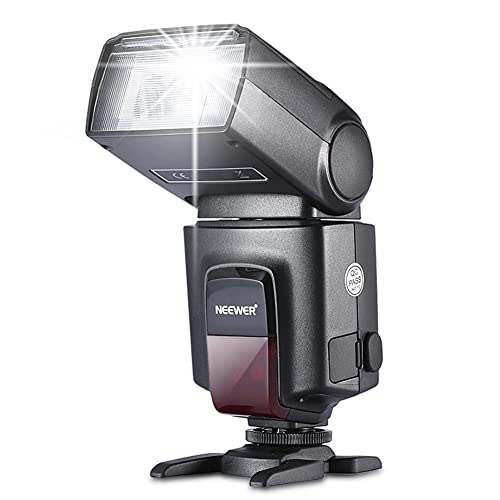
The Neewer TT560 is a non-TTL speedlite designed for cameras with a standard MI hot shoe. It offers vertical rotation from 0 to 90 degrees and horizontal rotation up to 270 degrees, enabling versatile lighting angles for portraits, events, and macro work. Compatibility spans Canon, Nikon, Panasonic, Olympus, Pentax, Fujifilm, and other DSLRs with electrical contacts. It does not rely on camera menu settings, making it a straightforward option for those who prefer fully manual control. Charging is simple by turning the unit on and letting the flash recharge, with a visible indicator to monitor status.
PHOTOOLEX FK310 Speedlite

The FK310 from PHOTOOLEX delivers a robust GN33 output with a 5500K±200K color temperature for daylight-balanced lighting. It supports Manual, S1, and S2 flash modes, and includes a Multi Flash option to adjust frequency and output powers (ranging from 1/128 to 1/8, and more). It is compatible with multiple brands and hot-shoe systems, but note that TTL and camera menu integration are not supported. The flash head offers even illumination and reliable performance for studio-style setups or on-location shoots without relying on the camera’s metering.
MEDALight F1 Mini Camera Flash

The MEDALight F1 is a compact mini flash offering adjustable power options (full, 1/2, 1/4, and 1/8) with a 6200K color temperature. It features a built-in xenon flash and a Type-C rechargeable interface, making it suitable for travelers or casual shooters who want quick, on-the-go lighting. Its universal hot shoe compatibility allows use with a range of mirrorless and DSLR cameras, though the small form factor means it’s best for close-range shooting and fill light rather than high-power studio work.
MEDALight F2 Mini Wireless Off-Camera Flash

The MEDALight F2 extends capabilities with a built-in 2.4 GHz wireless transmitter, enabling remote control of multiple F2 units up to 10 meters away in suitable environments. It provides four power settings (1/8 through 1/1) and maintains consistent color temperature around 6200K. This model is ideal for off-camera lighting setups, fashion shoots, and creative light shaping where wireless synchronization adds flexibility. Always confirm hot-shoe compatibility before purchasing to ensure seamless integration with your camera system.
Powerextra DF-400 Speedlite

The Powerextra DF-400 offers a guide number suitable for general use and supports manual modes plus wireless triggering via a single-contact hot shoe. It provides 0–270 degrees horizontal and 0–90 degrees vertical rotation and is compatible with numerous camera brands including Canon, Nikon, Panasonic, Olympus, Pentax, Fujifilm, and Sony with Mi hot shoe support. The unit is designed for shooters who want reliable control with a straightforward interface and robust build for daily use, weddings, or events.
Buying Guide: Key Considerations When Choosing a Digital Camera Flash
When evaluating a flash for digital cameras, consider the following factors to determine the best fit for your needs:
- Power and guide number: Higher GN means more powerful light and better performance in larger spaces or with longer focal lengths. Match GN to your typical shooting distance and subject size.
- Modes and compatibility: Manual mode provides consistent control, while TTL can simplify exposure with compatible cameras. Ensure the flash supports your camera brand and hot-shoe type.
- Off-camera potential: Wireless triggers or built-in radio systems expand creative lighting options, especially for portraits and product work.
- Color temperature and light quality: 5500K–6200K is standard daylight, but consider a flash with adjustable temperature or a diffuser for softer light.
- Recharge time and battery life: Faster recharge times reduce downtime on assignments. Rechargeability via USB-C or AA batteries adds flexibility for travel.
- Size and weight: Smaller mini flashes are portable but may have less power, whereas larger units offer more power and features but add bulk.
- Durability and accessories: Look for sturdy construction and available accessories like diffusers, reflectors, and bracket mounts for versatile use.
- Price-to-performance balance: More features often mean higher cost. Prioritize essential capabilities that align with your shooting style.
For most beginners and hobbyists, a compact manual flash with a solid GN and reliable hot-shoe compatibility provides the best value. Intermediate and professional users may benefit from wireless off-camera capability, fast recycling, and additional lighting tools to craft nuanced illumination. Always test lighting angles in-field and adjust power settings to achieve natural-looking exposure and controlled shadows.