Film photography remains a beloved option for enthusiasts who value texture, grain, and hands-on control. This guide highlights top 35mm film options and companion cameras that suit both newcomers and seasoned shooters. Below you’ll find a concise buying table, followed by in-depth product sections, and a practical buying guide to help you choose the right film and camera pair.
| Product | Brand | Type | Notes |
|---|---|---|---|
| Kodak Ultramax 400 Color Print Film 36 Exp. (3 Pack) | KODAK | Color Negative Film | Versatile, good everyday color |
| Kodak ColorPlus Film 200 (Pack of 3) | KODAK | Color Negative Film | Nice daylight performance, reliable |
| KODAK EKTAR H35 Half Frame Film Camera (Sand) | KODAK | Half-frame 35mm Camera | Double the exposures per roll |
| KODAK EKTAR H35 Half Frame Film Camera (Sage) | KODAK | Half-frame 35mm Camera | Compact, simple operation, built-in flash |
| Kodak Tri-X 400TX Professional Black & White Film (3 Pack) | Ritz Camera | Black & White Film | Fine grain, classic B&W tonality |
Note: Prices and availability can vary. This guide focuses on product features and suitability for different shooting styles to help you compare options efficiently.
Kodak Ultramax 400 3-Pack Film Bundle
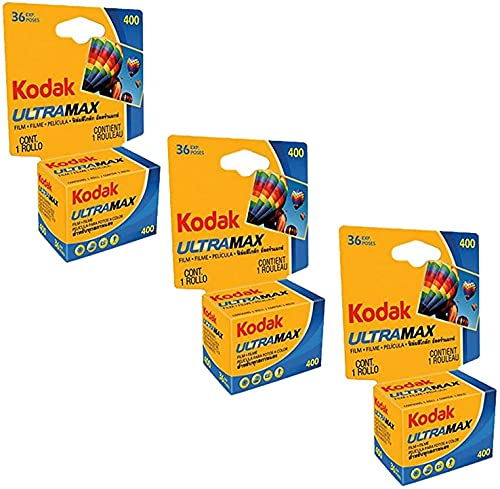
Kodak Ultramax 400 Color Print Film is designed for everyday scenes with balanced color and fine grain. This 3-pack includes 36-exposure rolls per unit, yielding 108 frames in total. The film is suitable for daylight and a range of lighting conditions, making it a versatile choice for travel, street, and family photography.
- Dx-coded 35mm film
- 400 ISO for flexible lighting
- Pack of three rolls for extended shoots
Users typically appreciate Ultramax for its reliable color rendition and broad exposure latitude, especially in snapshots, portraits with natural skin tones, and outdoor scenes under mixed lighting.
Kodak ColorPlus Film 200 (Pack of 3)

Kodak ColorPlus 200 is designed for dependable color reproduction with a touch of warmth. The pack includes three rolls, each optimized for daylight and electronic flash, delivering sharp images with good contrast and saturation. It’s a solid choice for portraits, urban photography, and travel where lighting varies.
- Excellent processing robustness
- High sharpness and resolution
- Balanced daylight and flash performance
KODAK EKTAR H35 Half Frame Camera (Sand)

The Kodak EKTAR H35 Half Frame Camera is a lightweight, reusable 35mm camera that doubles exposures per roll—roughly 72 half-frame photos from a 36-exposure roll. It’s ideal for casual shooters who want a pocket-friendly option that’s simple to operate, with a built-in flash for indoor and evening scenes. Film and batteries are not included in the package.
- Film-saving format yields more frames per roll
- Lightweight and portable design
- Built-in flash for day and night use
KODAK EKTAR H35 Half Frame Camera (Sage)

Another color option of the EKTAR H35 Half Frame Camera, this Sage model shares the same film-saving capability and compact form. It’s well-suited for travelers, street photographers, and beginners who want immediate, tangible results with minimal setup. The camera is designed to be user-friendly for analog enthusiasts.
- Double-exposure potential with half-frame format
- Portable pocket-size body
- Built-in flash enhances low-light versatility
Kodak Tri-X 400TX Black & White Film (3 Pack)
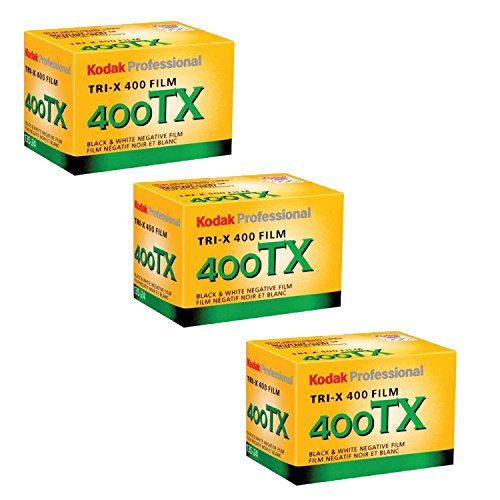
Kodak Tri-X 400TX is a classic black-and-white film renowned for its fine grain, high sharpness, and broad tonal range. This 3-pack provides reliable contrast and texture, ideal for documentary, portraiture, and artistic projects where rich grayscale rendering is desired. The film is well-suited for push processing or immersive black-and-white effects.
- Fine grain with strong midtones
- High sharpness for detailed imagery
- Wide exposure latitude for varied lighting
FUJIFILM 400 Color Negative Film (3 Rolls) + Cleaning Cloth

Fujifilm 400 Color Negative Film provides vibrant colors and robust contrast across landscapes, portraits, and everyday scenes. The bundle includes three rolls with 36 exposures each, and a microfiber cleaning cloth to help maintain camera cleanliness and image quality. ISO 400 supports a wide range of lighting scenarios.
- Vibrant color rendition
- 36 exposures per roll, 3 rolls total
- ISO 400 suitable for various lighting
Buying Guide: Key Considerations For 35mm Film Shooters
Choosing the right combination of film and a camera can influence your results as much as technique. Here are important considerations across common shooting styles and skill levels.
- Film type: Color negative films (like Ultramax and ColorPlus) deliver wide latitude and forgiving skin tones, ideal for everyday photography. Black-and-white films (like Tri-X) emphasize contrast and tonal range for a classic look. Consider your subject matter and desired mood when selecting film stock.
- ISO and lighting: ISO 100–200 films are best for bright light and landscapes; ISO 400 films work well in mixed lighting and indoor settings without flash. Higher ISO is more prone to grain but offers flexibility in low light.
- Exposure latitude: Some films tolerate exposure errors better than others. If you’re new to film, prioritize stocks with forgiving exposure and vibrant color rendition.
- Camera format: Half-frame cameras (like the EKTAR H35) double exposures per roll, which can be fun and economical but may require careful framing. Standard 35mm cameras produce traditional framing and framing accuracy.
- Film availability: Stock levels and packaging (single rolls vs. multi-packs) affect planning for trips or ongoing projects. Packs of three or more rolls offer long-term convenience.
- Processing and scan quality: Color negative films vary in how they reproduce color in development. Choose labs with strong color grading and reliability if you plan large digital scans or prints.
- Maintenance and handling: Keep film away from heat and direct sunlight before development. Store finished film in a cool, dry place to preserve image quality.
- Practicality vs. experimentation: If you’re curious about half-frame styles, try an H35 camera to explore more frames per roll. For portrait work, color negative stocks with good skin tones are valuable, while black-and-white films excel in texture and mood.
Across these options, your choice should align with how you shoot, your preferred mood, and your willingness to experiment with frame density and processing finishes. This guide aims to balance practical everyday performance with creative potential in 35mm film photography.