Choosing the right memory card matters for photographers using DSLRs who need fast, reliable storage. This guide highlights five top options, focusing on speed, capacity, and durability to support high-resolution photos and 4K video. Below is a quick summary to compare core specs at a glance.
| Product | Capacity | Speed & Class | Key Benefit |
|---|---|---|---|
| SanDisk 128GB Extreme PRO SDXC | 128GB | Read up to 200MB/s; Write up to 90MB/s; UHS-I, V30, C10 | Best for high-speed burst shooting and 4K video |
| SanDisk 256GB Extreme SDXC UHS-I | 256GB | Read up to 180MB/s; Write up to 130MB/s; UHS-I, V30, C10 | Great balance of capacity and speed for long shoots |
| SanDisk 256GB Ultra SDXC UHS-I | 256GB | Read up to 150MB/s; UHS-I, C10, U1 | Solid all-around choice for everyday photography |
| PNY 256GB EliteX-PRO60 UHS-II SDXC | 256GB | Read up to 280MB/s; Write up to 180MB/s; UHS-II, V60 | Professional-grade speed for rapid RAW bursts and 4K |
| SanDisk 128GB Ultra SDXC UHS-I | 128GB | Read up to 100MB/s; UHS-I, C10, U1 | Budget-friendly option with dependable Full HD performance |
SanDisk 128GB Extreme PRO SDXC UHS-I Memory Card
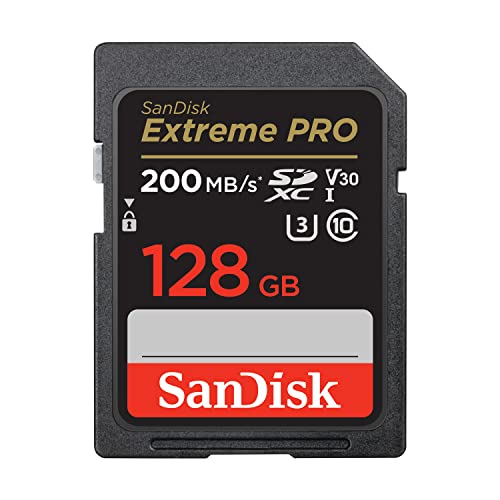
The SanDisk Extreme PRO line is designed for professionals needing robust performance in demanding environments. This 128GB card offers rapid offload speeds up to 200MB/s and write speeds up to 90MB/s, enabling quick transfers after shoots and smoother 4K video capture on compatible cameras. SanDisk QuickFlow Technology can boost performance on supported hosts, while pairing with the SanDisk PRO-READER can unlock maximum throughput. The card is built to endure rough field conditions and is widely compatible with DSLR bodies that support UHS-I. Actual speeds vary by device and usage.
SanDisk 256GB Extreme SDXC UHS-I Memory Card

This 256GB Extreme card balances capacity and speed for serious shooters. With up to 180MB/s read and up to 130MB/s write performance using SanDisk QuickFlow Technology, it supports rapid data transfers and sustained 4K video recording on compatible devices. It’s designed to work with SanDisk PRO-READER for maximum throughput and is optimized for high-resolution stills and video. As with all memory cards, actual performance depends on host hardware and conditions.
SanDisk 256GB Ultra SDXC UHS-I Memory Card

The 256GB Ultra card targets photographers who need plenty of space with dependable transfer speeds. Up to 150MB/s read speeds help with quick previews and file transfers, while the C10 and U1 ratings ensure solid Full HD performance. It’s a practical pick for mid-range DSLRs and travel photography where cost efficiency matters. Real-world speeds depend on camera processing and card usage patterns; always format in-camera for best results.
PNY 256GB EliteX-PRO60 UHS-II SDXC

PNY’s EliteX-PRO60 series is built for professional photographers and videographers who demand maximum speed. With read speeds up to 280MB/s and write speeds up to 180MB/s, it leverages the UHS-II interface and is rated with V60 for high-bitrate 4K and beyond. This card is well-suited for rapid RAW bursts, high-frame-rate capture, and long 4K sessions in DSLR workflows. Ensure your camera and reader support UHS-II to realize the full benefits.
[5-Yrs Free Data Recovery] GIGASTONE 256GB SD Card

This Gigastone option emphasizes data safety with a five-year free data recovery offer. It delivers up to 100 MB/s transfer speeds and is compatible with 4K Ultra HD video in a standard SD format. It’s a suitable choice for photographers who want an affordable card with additional recovery support. Note that transfer speeds are decent for many DSLR tasks, but may lag behind higher-end UHS-II options in certain scenarios.
SanDisk 256GB Extreme PRO SDXC UHS-I Memory Card, Dark Gray/Black

This variant of the SanDisk Extreme PRO line emphasizes high offload speeds up to 200MB/s with QuickFlow Technology, designed for rapid transfers to support busy shooting days. Write speeds reach up to 140MB/s on capable devices, helping to reduce buffering during continuous shooting. It’s paired with the PRO-READER option for maximum throughput in professional workflows. As with other high-speed cards, actual performance depends on device compatibility and conditions.
SanDisk 128GB Ultra SDXC UHS-I Memory Card
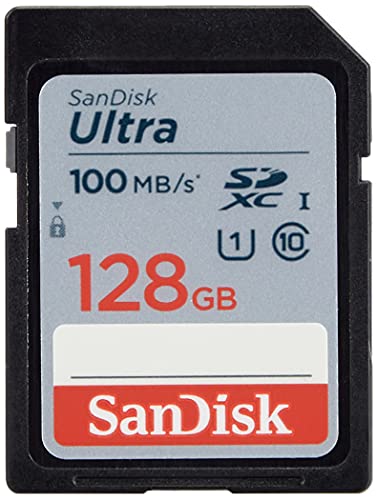
For budget-conscious buyers, the 128GB Ultra model provides reliable Full HD performance and familiar SanDisk reliability. It offers up to 100MB/s read speeds, making it suitable for everyday DSLRs and travel photography where 4K is not a primary requirement. This card is a practical entry point into the SanDisk ecosystem, with broad device compatibility and a lower cost per gigabyte.
Buying Guide
- Purpose and workload: If you shoot 4K video or fast RAW bursts, prioritize high read/write speeds and, for some cameras, UHS-II compatibility. For casual photography or Full HD video, UHS-I cards are often sufficient and more economical.
- Speed class and formats: Look for cards labeled C10 and U3 (or V30) for reliable 4K performance. UHS-II cards offer higher speeds but require compatible cameras and sometimes a faster card reader to justify the cost.
- Capacity needs: Larger capacities (256GB or more) help reduce interruptions during long shoots or projects with large RAW sequences, but ensure your camera supports the card’s capacity.
- Durability and reliability: Consider cards with robust build quality and reputable warranties. Some brands offer data recovery or extra services, which can be valuable for professional work.
- Compatibility: Confirm your DSLR supports the card’s speed class (UHS-I vs UHS-II) and that your card reader can leverage the speed. Formatting in-camera is recommended to optimize performance and compatibility.
- Price vs. value: Higher-speed, higher-capacity cards cost more. Balance needed speed with your typical shooting profile and upgrade only if your workflow demands it.