Relying on a robust 3-axis gimbal can transform shaky footage into cinema-quality video. This guide highlights five top DSLR and mirrorless gimbal stabilizers that pair well with Canon, Sony, Panasonic, Nikon, and Fujifilm cameras. Each option balances payload, portability, and intelligent features to help meet diverse shooting needs—from travel vlogs to professional productions.
| Product | Brand | Max Payload | Notable Feature |
|---|---|---|---|
| DJI RS 3 Mini | DJI | 2 kg / 4.4 lbs | Ultra-compact, lightweight, vertical shooting |
| FeiyuTech SCORP-C2 | FeiyuTech | 3.5 kg / 7.72 lbs | Built-in AI tracking, native vertical shooting |
| DJI RS 4 Mini | DJI | 2 kg / 4.4 lbs | Auto axis locks, intelligent tracking |
| DJI RS 4 | DJI | 2 kg / 4.4 lbs | 2nd-gen vertical shooting, joystick control |
| DJI RS 4 Pro | DJI | 4.5 kg / 10 lbs | Higher torque, dual focus/zoom control |
Choosing the right gimbal depends on how you shoot, the cameras you use, and the environments you frequent. The following product sections summarize each option with key specs and how they might fit common American shooting workflows.
DJI RS 3 Mini: Compact Powerhouse
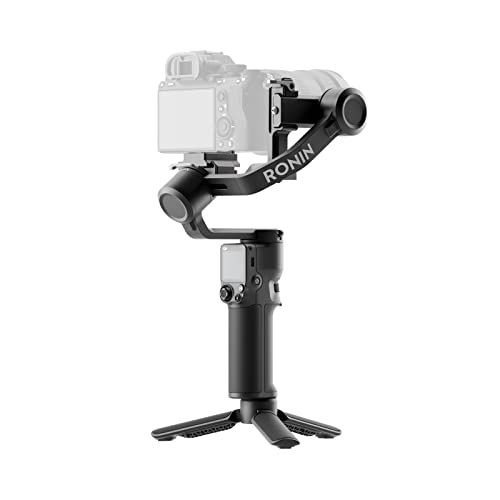
The DJI RS 3 Mini weighs only 795 g (1.75 lbs), delivering a highly portable stabilizer ideal for travelers and on-the-go shoots. Its high-torque motors support up to 2 kg (4.4 lbs) of payload, enabling a wide range of camera and lens configurations. A Bluetooth shutter control feature allows easy photo and video triggering, with automatic reconnection after initial pairing for quick, dependable operation in dynamic environments.
FeiyuTech SCORP-C2: AI Tracking Onboard

FeiyuTech’s SCORP-C2 emphasizes built-in AI tracking and vertical shooting without extra apps or accessories. Its 3.5 kg (7.72 lbs) payload capacity broadens compatibility with Canon, Sony, Panasonic, Nikon, and Fujifilm bodies. The stabilizer supports native vertical shooting with a simple switch, enabling fast adaptation for social media content and traditional cinematography alike.
DJI RS 4 Mini: Fast Setup, Smooth Tracking

The RS 4 Mini offers a ready-in-1-second setup with auto axis locks that reduce delays during shoots. Its Intelligent Tracking Module keeps subjects framed for orbit shots or solo scenes, making dynamic content easier to produce. Enhanced balancing with Teflon-coated axis arms supports quick adjustments during fast-paced shoots, ensuring reliable performance on the move.
DJI RS 4: Precision Control And Versatility

The RS 4 introduces a 2nd-generation native vertical shooting capability for easy vertical content without extra gear. A joystick mode switch lets filmmakers alternate between PF, PTF, and FPV modes, tailoring movement to diverse shots. Teflon-coated axis arms ensure smoother balancing and precise control across the three axes, supporting a broad range of camera systems.
DJI RS 4 Pro: Heavy-Duty, Cinema-Ready

The RS 4 Pro raises payload capacity to 4.5 kg (10 lbs) with carbon fiber axis arms, enabling larger mirrorless and cinema camera setups. It also supports 2nd-gen native vertical shooting for efficient vertical content creation. A new remote dual focus and zoom motor control feature via joystick mode switch provides cinematographers with precise, tactile lens adjustments without swapping gear mid-shoot.
Buying Guide
- Payload compatibility: Match the gimbal’s maximum payload to your camera and lens combination. Heavier rigs require stiffer motors and sturdier arms, especially for long-duration shoots.
- Vertical shooting: If you publish frequently to social platforms, prioritize models with native vertical shooting or quick-release vertical plates to streamline workflow.
- Autonomous tracking: AI or intelligent tracking features reduce the need for a dedicated operator, but assess how well the tracking works in crowded or cluttered environments.
- Setup speed: Auto axis locks and quick-release plates save time on location. Consider models noted for fast setup when you’re chasing moments.
- Weight and portability: Lighter gimbals are easier to carry for travel but may trade off some stability with larger lenses. Balance your needs between portability and steadiness.
- Controls and interface: Look for intuitive joystick controls, remote options, and easy switching between modes to support different shooting styles.
- Build quality and materials: Carbon fiber and durable axis arms contribute to long-term reliability, particularly in outdoor environments.
- Accessory ecosystem: Consider compatibility with extension handles, focus motors, and external monitors that align with your production workflow.
- Budget and future-proofing: Higher-end models offer more torque, payload, and features, but weigh the cost against your typical rig and future needs.
Overall, the DJI RS 3 Mini, RS 4 Mini, RS 4, RS 4 Pro, and FeiyuTech SCORP-C2 provide a spectrum of payload capacities, vertical shooting capabilities, and intelligent features. For creators prioritizing compactness and travel readiness, the RS 3 Mini or RS 4 Mini fit well. For heavier rigs or cinema-style shoots, the RS 4 Pro offers greater torque and versatility, while the FeiyuTech SCORP-C2 delivers robust AI tracking without requiring external apps.