Finding the right wide-angle lens or camera with a built-in wide aperture helps you fit more into every frame, whether you’re shooting landscapes, architecture, or group photos. This guide highlights top options that emphasize wide-angle capabilities, image clarity, and practical features for everyday shooting. Each pick is evaluated for optical performance, compatibility, and value, helping you decide which lens or camera package fits your needs.
| Product | Brand | Notes |
|---|---|---|
| Kodak PIXPRO AZ405-WH | KODAK | 40X Optical Zoom, 24mm Wide Angle Lens, 1080P Video |
| Sigma 10-20mm f/3.5 EX DC HSM | Sigma | Ultra wide-angle, high contrast, suitable for Nikon DSLRs |
| Kodak PIXPRO AZ528-BK | KODAK | 52x Optical Zoom, 24mm Wide Angle, Wi‑Fi |
| Altura Photo 58MM Wide Angle Lens | Altura Photo | 58mm filter-thread, macro option, wide field of view |
| Altura Photo 52MM Wide Angle Lens | Altura Photo | 52mm filter-thread, macro option, broad compatibility |
Kodak PIXPRO AZ405-WH Wide Angle and Zoom Kit
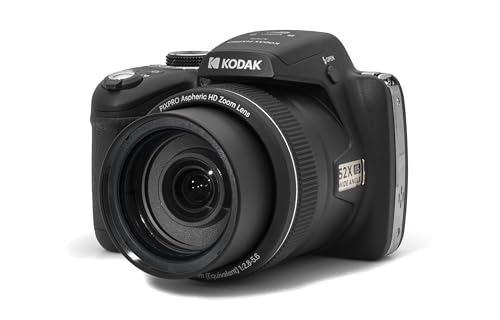
The Kodak PIXPRO AZ405-WH blends a compact design with a broad 40X optical zoom and a 24mm wide-angle lens. A 20-megapixel CMOS sensor supports sharp stills, while Full HD video adds versatility for vlogging or quick clips. The 3-inch LCD provides a convenient framing tool, and built-in Wi-Fi enables wireless sharing. This camera targets users who want wide landscapes or cityscapes alongside a substantial zoom range in a single device.
Sigma 10-20mm f/3.5 EX DC HSM

This Sigma ultra wide-angle zoom covers 10-20mm with a constant f/3.5 aperture, designed for Nikon DSLR cameras. The lens offers a large maximum aperture for brighter wide-angle scenes and high-contrast images. Its HSM motor supports fast, quiet focusing, and the multi-layer coatings reduce flare and ghosting, making it well-suited for landscape and architectural photography where corner-to-corner sharpness matters.
Kodak PIXPRO AZ405-WH Wide Angle Variant
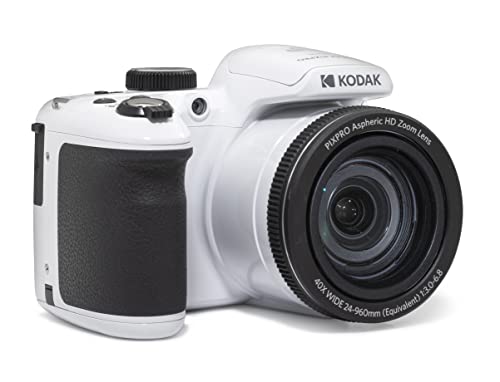
In addition to its 40X zoom, this variant maintains a 24mm wide-angle field of view, enabling expansive landscapes and group photos. The 20 MP sensor supports crisp detail, while 1080P video adds robust everyday recording capability. The camera’s built-in stabilization and intuitive controls help beginners capture convincing wide-angle shots with confidence.
Altura Photo 58MM Wide Angle Lens

This 58mm wide-angle attachment expands the field of view for compatible cameras, offering an immediate way to capture more of the scene. It includes a detachable macro lens for close-up details, enabling both expansive landscapes and foreground interest. Compatibility spans a wide range of Canon and Nikon DSLRs, making it a flexible accessory for photographers using older or entry-level bodies.
Altura Photo 52MM Wide Angle Lens

This 52mm wide-angle accessory extends the field of view for compatible lenses, featuring a detachable macro attachment for close-ups. The lens is designed to work with a broad selection of Nikon and Canon camera bodies, providing a straightforward upgrade for photographers seeking more dramatic foreground and background coverage in their shots.
Buying Guide: Wide Angle Lens And Camera Options
- What makes a wide-angle option suitable: Look for focal length ranges like 10-22mm, 24mm standard wide, or 28-35mm equivalents. The lower the focal length, the more you capture in a frame, which is ideal for landscapes, interiors, and architectural shots.
- Sensor compatibility: If you choose a dedicated lens like Sigma 10-20mm, verify compatibility with your camera brand and sensor size (APS-C vs. full-frame) to ensure proper image circle and autofocus performance.
- Aperture and image quality: Wide-angle lenses with a constant aperture (e.g., f/3.5) maintain exposure across the zoom range. Multi-layer coatings help minimize flare in bright scenes, preserving contrast in wide-angle compositions.
- Built-in vs. attachable options: Cameras with built-in wide-angle lenses offer simplicity and portability, while attachable lenses give flexibility to adapt existing bodies to a broader field of view without purchasing a new camera.
- Size, weight, and handling: For travel or daily carry, consider the lens weight and overall size. Lighter designs reduce fatigue on longer shoots, while sturdier builds withstand field use.
- Connectivity and sharing: Some models include Wi-Fi or app control, enabling quick transfer of wide-angle photos to mobile devices for social sharing or remote shooting.
- Macro versatility: Some wide-angle attachments incorporate macro capabilities, enabling close-up details without swapping lenses. This is useful for product shots or nature close-ups.
- Budget considerations: Entry-level wide-angle options balance cost with image quality. Higher-end lenses provide sharper corners and better control of distortion, which matters for architectural photography.
- Use cases: Landscapes and cityscapes benefit from wide field of view; interiors, real estate, and group portraits use wide angles to fit more into the frame.
When choosing among these options, assess your primary shooting scenarios, camera system compatibility, and whether you want a self-contained camera with built-in wide-angle capacity or a modular setup with attachable wide-angle lenses. The listed products provide options across those preferences, offering broad field coverage, reliable optics, and practical features for American photographers seeking wide-angle versatility.