Choosing the right memory card is essential for capturing high-quality photos and smooth 4K video. This guide highlights five top options that balance speed, capacity, and reliability for American photographers and hobbyists. Each product below includes key features drawn from their official specs to help you compare at a glance and pick the card that best fits your camera, workflow, and budget.
Summary table of selected products
| Product | Brand | Capacity | Key Speeds |
|---|---|---|---|
| SanDisk 128GB Extreme PRO SDXC | SanDisk | 128 GB | Up to 200 MB/s read; up to 90 MB/s write |
| SanDisk 128GB Ultra SDXC UHS-I | SanDisk | 128 GB | Up to 100 MB/s |
| SanDisk Ultra 64GB SDXC | SanDisk | 64 GB | Up to 80 MB/s |
| Sandisk Ultra 128GB SDXC UHS-I | SanDisk | 128 GB | Up to 140 MB/s |
| SanDisk 256GB Extreme SDXC UHS-I | SanDisk | 256 GB | Up to 180 MB/s read; up to 130 MB/s write |
SanDisk Extreme Pro SDXC 128GB
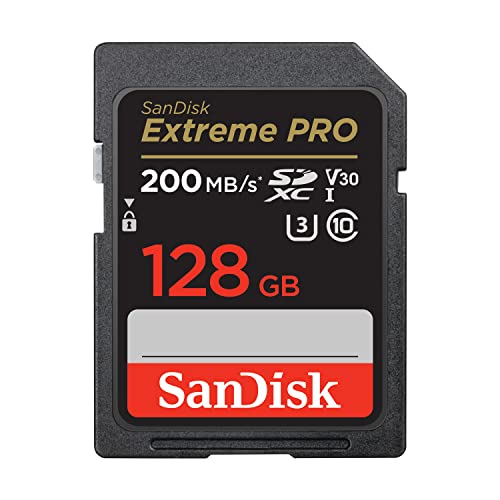
The SanDisk Extreme PRO SDXC UHS-I Memory Card is designed for professionals and serious enthusiasts who demand high performance with reliable offloads. It features SanDisk QuickFlow Technology, delivering up to 200 MB/s read speeds to speed up transfers from the card to a computer or workstation. The card is optimized for 4K UHD capture and supports high-speed recording with compatible devices. For maximum throughput, pairing with an appropriate reader or PC setup matters, as actual speeds vary by hardware and conditions.
Key use cases include rapid burst shooting with cameras that support UHS-I speeds, 4K video capture, and long shoots where quick offloads save time between takes. The card’s 128GB capacity provides ample space for RAW files and high-bitrate video, while its durability is suited for travel and field work. Always check your camera’s supported UHS class and maximum write speed to ensure you achieve expected performance.
SanDisk Ultra 128GB SDXC UHS-I (100MB/s)
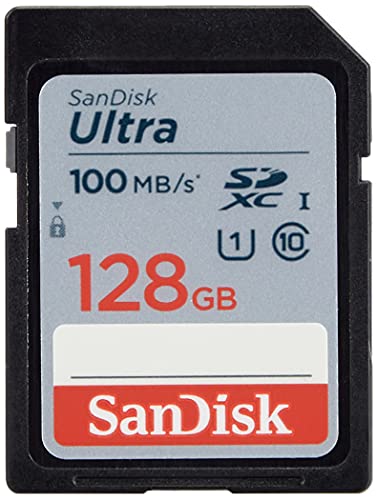
The SanDisk Ultra SDXC UHS-I Memory Card balances speed and value for everyday photography and Full HD video. With speeds up to 100 MB/s, it is well-suited for compact to mid-range point-and-shoot cameras and many entry-level DSLRs. The 128GB capacity offers plenty of space for extending shooting sessions and traveling with large photo libraries. While it performs well for standard tasks, it’s best used with devices that can sustain consistent UHS-I performance without pushing for higher write speeds required by some 4K workflows.
SanDisk Ultra 128GB SDXC UHS-I (140MB/s)
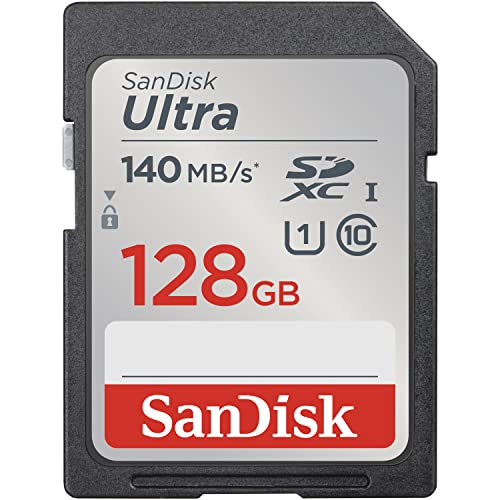
The 128GB Ultra SDXC UHS-I card is aimed at photographers who want faster-than-basic transfers. It advertises up to 140 MB/s read performance, which can help with quicker backups and editing work flows, especially when transferring large RAW files. It remains a practical choice for mid-range cameras and hobbyist videographers who shoot Full HD and 4K where the camera supports higher read speeds. Real-world speeds depend on host device compatibility and card formatting choices.
SanDisk 256GB Extreme SDXC UHS-I

Designed for high-capacity storage, the 256GB Extreme SDXC features aggressive transfer speeds with SanDisk QuickFlow Technology and read speeds up to 180 MB/s. This combination supports rapid offloads and reduced downtime during shoots. The card’s high capacity makes it suitable for photographers working with continuous burst modes, 4K video, or extensive travel shoots. As with all high-speed cards, ensure your camera and reader can meet the required speeds to realize the full potential of this card’s performance.
Kodak 256GB SDXC UHS-I Card

The Kodak 256GB SDXC UHS-I card emphasizes reliable storage with a focus on media capture in Full HD and 4K contexts. The included 256GB capacity supports extended shoots and high-bitrate video. The V30 video class helps identify compatibility with devices that require consistent sustained performance for video capture. As with other UHS-I cards, performance depends on the host camera, reader, and formatting, so verify device support before purchasing.
Buying Guide: Key Purchase Considerations
- Capacity vs. workflow: Higher capacities reduce the need for frequent card changes during long shoots, especially for 4K or RAW work. Balance capacity with your camera’s maximum support and your card reader’s capabilities.
- Speed class and real-world performance: Look for UHS-I or better ratings (U3, V30) for reliable 4K and high-bitrate video. Real-world speeds can vary; consider card-offload needs, computer interfaces, and whether you frequently transfer files on the go.
- Durability and reliability: Many cards are designed for rugged use, with durable casings and water/dust resistance. For travel and field work, durability reduces the risk of data loss during mishaps.
- Compatibility: Ensure your camera and card reader can exploit the card’s rated speeds. Some cameras do not support the maximum write speeds of premium cards.
- Endurance and durability of data: For critical shoots, pairing cards with a reliable reader and maintaining backups during or after shoots helps protect valuable content.
- Brand ecosystem: Some brands offer software, warranties, or professional recovery options that can be beneficial if data recovery becomes necessary.
- Backup strategy: Plan for redundancy. Consider keeping at least one extra card or using dual-slot cameras to swap cards quickly during shoots.
Overall, the best digital camera storage card choices align with your camera’s capabilities, your filming or shooting style, and the importance of fast transfers. The options above cover a range from budget-friendly to high-performance, enabling reliable performance across common American photography workflows.