Film photography remains a vibrant hobby for enthusiasts who value hands-on control, distinctive color rendering, and the tactile process of shooting on real negatives. This guide highlights five film cameras that continue to shine for beginners and seasoned analog lovers alike. Each option combines portability, ease of use, and reliable performance, making them ideal for daily carry, travel, or spontaneous street photography.
| Product | Brand | Notable Benefit |
|---|---|---|
| KODAK EKTAR H35 Half Frame (Sage) | KODAK | Twice as many exposures per roll |
| KODAK EKTAR H35 Half Frame (White Pack) | KODAK | Lightweight, easy to use with built-in flash |
| Fujifilm QuickSnap Flash 400 (2 Pack) | Fujifilm | Pre-loaded ISO 400, reliable built-in flash |
| KODAK EKTAR H35 Half Frame (Brown) | KODAK | Portable and simple for daily snapshots |
| Fujifilm QuickSnap Flash 400 (27 Exposures) | Fujifilm | Multiple-use, consistent exposure with flash |
Kodak Ektar H35 Half-Frame Camera (Sage)

The Kodak Ektar H35 Half Frame camera is designed for film-saving convenience, delivering approximately twice as many exposures per roll as standard 35mm. Its pocketable size makes it an ideal daily carry for enthusiasts who prefer analog capture without sacrificing portability. The simple operation and lightweight build suit beginners while still appealing to seasoned users who want a compact camera for quick street shots. A built-in flash broadens shooting opportunities in indoor or nighttime environments when you adjust the silver ring around the lens for illumination.
Key features from the listing include film-saving capability, a lightweight design, and a built-in flash. The camera emphasizes ease of use, and the half-frame format maximizes roll utility, letting photographers stretch a single roll into more frames. This model is especially attractive for travelers who want a small, reliable camera that can produce distinctive half-frame compositions alongside straightforward operation.
Kodak Ektar H35 Half-Frame Camera (White Pack)

This variant mirrors the Sage model’s strengths—double exposure capacity per roll, a compact footprint, and a user-friendly interface suitable for analog hobbyists. The white-pack presentation may indicate a different dataset of included accessories or film stock alignment, but the core experience remains the same: easy handling, lightweight design, and a built-in flash for versatile day-to-night shooting. Photographers appreciate the simple exposure control and reliable performance in both outdoor and indoor settings.
Operating notes emphasize a half-frame format that doubles the number of usable exposures, making it a practical choice for travel diaries and casual documentation. The camera’s intuitive design lowers the barrier for newcomers, while its small size ensures it’s unobtrusive in busy urban environments.
Kodak Ektar H35 Half-Frame Camera (Brown)
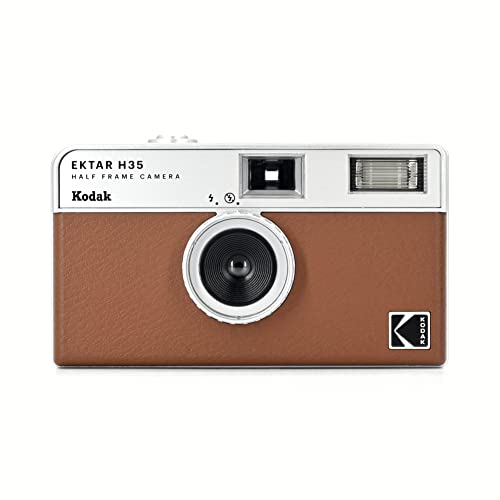
The Brown variant delivers the same core advantages as the other Ektar H35 models: a compact half-frame format that yields more frames per roll, straightforward operation, and a built-in flash for flexible lighting. This color option can appeal to photographers who prefer a classic or earthy aesthetic in their gear. Its portability supports street photography, travel days, and casual photo walks where carrying heavy equipment is undesirable.
With its film-saving capability and user-friendly design, the Brown edition maintains the practical, accessible entry point that makes the Ektar H35 series popular among analog lovers who want immediate, reliable results without sacrificing creative possibilities.
Fujifilm QuickSnap Flash 400 One-Time Use Camera (2 Pack)

These one-time-use cameras come pre-loaded with ISO 400 film and provide multiple exposures per camera (27 per unit, totaling 54 exposures for the pair). The built-in 10-foot flash range and a continuous flash switch add flexibility for varied lighting—indoors, outdoors, or dim environments. The two-pack configuration suits groups or events where sharing a common camera helps streamline shooting and reduce gear management concerns.
For shooters seeking a hassle-free, dependable option that consistently delivers usable images, the QuickSnap Flash 400 line offers a straightforward workflow: load, shoot, and develop. It’s particularly popular for spontaneous street scenes, parties, and travel where quick operation matters more than advanced controls.
Kodak Ektar H35 Bundle with Ultramax Film

This bundle combines the Ektar H35 with Kodak Ultramax 400 24-exposure film. The inclusion of a star filter is noted to enhance certain light effects, while a coated, improved glass lens can sharpen image clarity. A bulb function supports long-exposure opportunities to capture motion trails or other light-based effects, expanding creative possibilities for night scenes or dynamic subjects. This package targets photographers who want a complete, ready-to-shoot experience with a trusted film stock.
The bundle approach emphasizes value and versatility, delivering a compact, easy-to-use camera along with film stock that suits everyday shooting as well as experimental lighting. The added features expand the creative range without complicating operation for new users.
Fujifilm QuickSnap Flash 400 One-Time-Use Camera (27 Exposures)

Another Fujifilm QuickSnap option delivers 27 exposures on ISO 400 film with an integrated flash, ensuring reliable results in varied lighting. The camera emphasizes ease of use and consistent exposure in both indoor and outdoor scenarios. The simple, pre-loaded design makes it an appealing choice for spontaneous shoots, group events, or travel where a quick, dependable camera helps capture moments without requiring additional setup.
Overall, the QuickSnap line remains a popular pick for users who want a compact, self-contained solution with dependable flash performance and predictable exposure results. It’s particularly well-suited for beginners transitioning from disposable cameras or those who want a set-and-shoot workflow that requires minimal technical knowledge.
Buying Guide: Key Purchase Considerations
- Film format and half-frame benefits: Half-frame cameras double shot count per roll, extending film usage and reducing replacement frequency. Consider whether you want compact size or higher roll economy.
- Built-in flash and lighting versatility: A reliable flash expands usable shooting scenarios, especially indoors or at dusk. Check flash range and recycling time if applicable.
- Lens and image quality: Look for a camera with a simple, sharp lens and solid build. Some models offer optimized glass for clearer images and reduced aberrations.
- Weight and portability: For street or travel photography, a light, pocket-friendly camera is advantageous. Gas- or battery-powered extras add weight and require maintenance.
- Film availability and stock variety: Ensure easy access to compatible film stocks (ISO 400 is common in quick-use cameras). Availability can influence your choice for ongoing projects or long-term hobby plans.
- Ease of use vs. control: Beginners benefit from clear instructions and minimal settings, while advanced users may prefer models that permit some exposure control or longer exposure options.
- Durability and reliability: Analog gear should withstand daily handling. Look for sturdy bodies and simple mechanisms that resist wear from regular use.
- Cost of consumables: Consider the price of film and developing if you plan frequent shooting. Bundles with film can offer better initial value.
- Creative flexibility: Some cameras offer longer exposure or special effects (star filters, cross-processing compatibility) that can diversify your results without complex setups.
In summary, the best film cameras still in use blend portability with practical performance. Whether you favor the compact half-frame Kodak models for their extended film life, or Fujifilm QuickSnap units for their ready-to-shoot convenience, these selections provide reliable access to authentic analog imagery. When choosing, weigh how you plan to shoot (street, travel, events), the importance of flash, and how much you value film economy versus control over exposure and timing.