Birding enthusiasts want gear that captures birds clearly from a distance, tracks fast movements, and works in outdoor conditions. This guide highlights top options that pair with modern cameras or operate as smart, connected systems for real-time observation. From ultra-telephoto lenses to AI-powered bird feeders with cameras, these picks cover a range of budgets and needs for every backyard or field studio.
Summary of chosen products:
| Product | Brand | Key Strength |
|---|---|---|
| Canon RF 200-800mm f/6.3-9 IS USM Lens | Canon | Long reach, built-in stabilization, wildlife versatility |
| Sony FE 200-600mm F5.6-6.3 G OSS | Sony | Sharp, versatile zoom, fast autofocus |
| SVBONY SC002 Wireless Electronic Eyepiece | SVBONY | Digiscoping via eyepiece, 1080P recording, WiFi |
| Birdfy 2 Smart Bird Feeder with Camera | Birdfy | Live streaming, AI species ID, dual-lens option |
| OPOWO Bird Feeder with Camera | OPOWO | 2K video, AI recognition, solar power |
Canon RF 200-800mm Lens — Full-Frame Super-Telephoto Zoom

The Canon RF 200-800mm f/6.3-9 IS USM is a versatile super-telephoto zoom designed for wildlife, sports, and birding. From a practical 200mm to an astounding 800mm, this lens provides significant reach for distant birds without sacrificing image stabilization. The built-in IS helps maintain sharpness when shooting handheld, a common scenario in field birding. With USM focus and full-frame compatibility, it pairs well with Canon bodies for dynamic action shots, flight sequences, and close-up plumage details during golden-hour outings.
Key considerations for this lens include handling weight and balance, especially on shorter camera bodies or monopods, and evaluating the trade-off between maximum aperture at long reach (f/9 at 800mm) versus shutter speed needs in variable lighting. It excels for species perched at distance or in flight when paired with a stable support setup. The 200-800mm range is particularly useful for migratory birds along coastlines or wetlands, where proximity is limited but detail remains critical.
Sony FE 200-600mm F5.6-6.3 G OSS
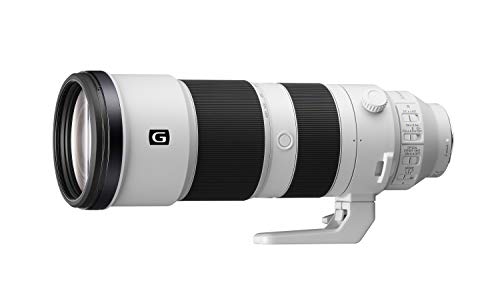
Sony’s FE 200-600mm G OSS delivers a reliable solution for wildlife photographers using Sony mirrorless bodies. The 200-600mm range provides flexible telephoto reach, with sharp rendering across the zoom, reduced flare thanks to multiple ED glass elements, and a fast, quiet autofocus system via Direct Drive SSM. Optical SteadyShot helps maintain sharpness in handheld scenarios, which is especially valuable when tracking birds in flight or approaching subjects in a blind or open field.
Considerations for this lens include the weight distribution on camera bodies and the need for sturdy support for prolonged hikes. The autofocus performance and edge-to-edge sharpness make it a strong contender for action sequences, perched birds, and close-up details like feather texture. While not as bright as primes, its versatility and Sony ecosystem integration are compelling for enthusiasts and pros who prioritize speed and flexibility.
SVBONY SC002 Wireless Electronic Eyepiece

The SVBONY SC002 wireless electronic eyepiece offers a convenient route into digiscoping with compatible spotting scopes or binoculars. It provides 1080P HD recording, 3x digital zoom, and a 10-meter wireless live view, all accessible via a dedicated app. This accessory is ideal for capturing crisp moments without mounting a heavy camera on the lens, enabling macro-like bird portraits and distant observations from a comfortable position.
When evaluating the SC002, assess compatibility with your existing optic setup, battery life, and the app’s usability across iOS and Android. It’s particularly useful for travelers and casual observers who want immediate sharing capabilities and a lightweight workflow. For serious field work, pair it with a stable tripod system and consider backup storage options for longer sessions.
Birdfy 2 Smart Bird Feeder with Camera

Birdfy 2 combines a smart bird feeder with a dual-lens camera system for live streaming and close-up photos. AI identifies species in real time, delivering instant alerts and bird data to your device. Designed for backyard setups, it enables remote observation and can function as a supplemental security camera. The dual-lens approach helps balance wide views with detailed portraits, making it easier to monitor visiting birds across a single device.
Consider how this device fits your yard, including weatherproofing, power options, and subscription costs for AI features. While it makes birding more interactive and informative, it’s best used where birds regularly visit and where you can position the feeder for reliable connectivity. It’s a powerful tool for ongoing backyard birds, especially when you want automated insights without constant binoculars or trips outside.
OPOWO Bird Feeder with Camera
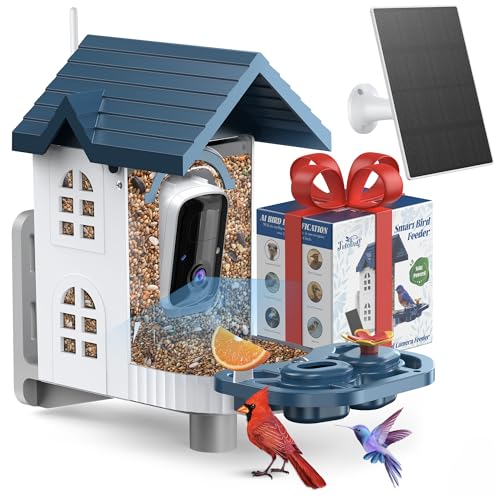
The OPOWO bird feeder camera combines 2K HD video with AI bird recognition in a solar-assisted outdoor unit. Its weatherproof build and 1.5L food storage make it a practical all-season option for continuous backyard viewing. The camera’s AI capabilities identify a broad catalog of species, and the solar-powered operation reduces maintenance while supporting year-round use. The product also supports Wi-Fi connectivity for remote viewing and alerts via a mobile app.
Key considerations for this unit include ensuring a stable mounting position, validating Wi-Fi coverage in your yard, and understanding the battery and solar charging behavior during different seasons. It is well-suited for long-term birdwatching and for observers who want AI-based identification and real-time updates without frequent manual checks.
Buying Guide: Key Considerations for Birding Camera Gear
What to consider when choosing gear for birding, across lenses and camera-enabled feeders:
- Focal length and reach: Longer telephoto lenses like 200-800mm or 200-600mm provide greater subject separation and detail at distance, which is essential for small or skittish birds.
- Image stabilization and autofocus: In field conditions, stabilization helps handheld shots, while fast, reliable autofocus ensures birds in motion are captured sharply. Consider lens stabilization specs and camera AF performance.
- Weight and portability: Ultra-telephotos can be heavy. Balance with a sturdy tripod, monopod, or gimbal support to reduce fatigue during long shoots.
- Weather sealing and build quality: Outdoor birding demands weatherproofing, dust resistance, and durable construction for varying climates and terrains.
- Electronic eyepieces and digiscoping: Accessories like wireless eyepieces enable flexible viewing and recording without heavy setups. Check compatibility with your optics and devices.
- AI and species recognition: Smart feeders and cameras with AI can identify birds and deliver alerts. Consider subscription costs, species databases, and data privacy.
- Power and endurance: Solar-powered feeders and battery-backed devices reduce maintenance but require planning for Sun exposure, charging cycles, and backup options.
- Connectivity and apps: Wi-Fi or Bluetooth features, app reliability, and cross-device sharing are important for real-time monitoring and documenting sightings.
- Environment and placement: Position feeders and cameras to minimize interference from reflections, wind, or predators while ensuring a clean line of sight to birds.
- Budget vs. value: High-end telephoto lenses offer superior optics but require investment in supporting gear. Consider what you need for your typical birding scenarios and space constraints.
In summary, traditional ultra-telephoto lenses deliver maximum reach and photo quality for distant birds, while smart feeders and digiscoping accessories provide real-time viewing, AI identification, and convenient sharing. The best setup often combines a high-quality lens with a robust, weatherproof observing station or a smart feeder that aligns with your observation goals. By evaluating focal length, stabilization, power options, and ecosystem compatibility, you can tailor a birding rig that fits both your budget and your preferred observation style.