Telephoto photography demands gear that distributes weight, stabilizes the rig, and keeps access quick. A well-chosen camera harness can reduce neck and shoulder strain while letting you carry long lenses with confidence. Below are five top choices designed to support telephoto setups, with features aimed at comfort, security, and ease of use for American photographers in diverse settings—from wildlife safaris to sports events.
| Product | Brand | Type | Key Benefit |
|---|---|---|---|
| Cotton Carrier CCS G3 Camera Harness System for One Camera | Cotton | Single-Camera Harness | Patented twist & lock mount for stability; load spread across body |
| Cotton Carrier CCS G3 Camera Harness System for 2 Cameras | Cotton | Two-Camera Harness | Load distribution across torso; ideal for dual-camera setups |
| PGYTECH Camera Strap Master | PGYTECH | Tri-Camera Harness | Holds three cameras; quick-release and auto-fit pads |
| C Coiro Camera Harness for 2 Cameras | C Coiro | Dual-Shoulder Leather Harness | Premium leather; balanced weight across shoulders |
| ztowoto Camera Strap Double Shoulder Harness | ztowoto | Dual-Camera Strap | Two SLR-friendly with safety tether options; high load support |
Cotton Carrier CCS G3 Camera Harness System for One Camera

The Cotton Carrier CCS G3 is designed to distribute weight away from the neck and shoulders by spreading load across the torso. Its Twist & Lock Mount provides security for one camera, making it suitable for telephoto setups where stability matters. The system is compatible with DSLR, mirrorless, and compact system cameras, facilitating quick access to lenses while hiking or on the move. For wildlife or sports photography, this harness helps reduce fatigue during long shoots without compromising accessibility.
Cotton Carrier CCS G3 Camera Harness System for 2 Cameras
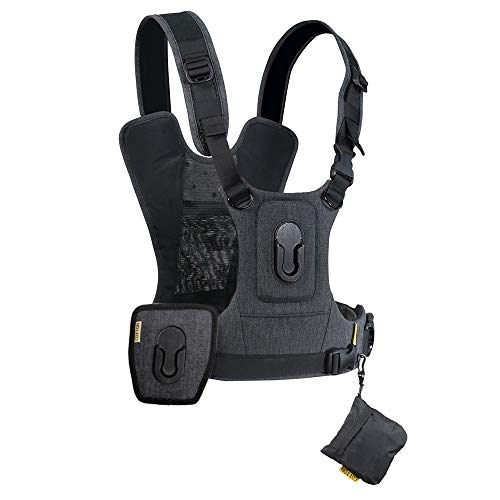
The two-camera version extends the load-distribution approach to dual rigs, helping balance weight when carrying telephoto lenses on both sides. The patented twist & lock mounts secure each camera, reducing shake during movement and providing quick access to different focal lengths. This configuration is ideal for wildlife shooters who alternate between telephoto primes and zooms, or for event photographers who must switch bodies rapidly without fidgeting with straps.
PGYTECH Camera Strap Master

The PGYTECH Strap Master is a high-capacity, professional solution that supports up to three cameras or a mix of camera and telephoto lens setups. Its dual-shoulder design features quick-release buckles for one-handed camera access and an auto-fit pad system that adapts to different shoulder widths. With UHMWPE cords rated for up to 90 kg, it provides a robust option for heavy telephoto gear, enabling rapid posing changes without compromising safety.
C Coiro Camera Harness for 2 Cameras

The C Coiro dual leather harness emphasizes comfort and premium quality, distributing weight across the torso and hips with a back-supporting X-fashion wear pattern. The design targets photographers who frequently switch positions and need two cameras ready near the hips for fast capture. The leather construction offers durability and a classic look, suitable for prolonged field sessions where telephoto setups are common.
ztowoto Camera Strap Double Shoulder Harness

The ztowoto strap is designed to carry two SLR cameras with a maximum load capacity stated at 50 kg, including telephoto lenses. It features a neoprene-backed strap for comfort and a breathable sandwich net for ventilation. The set includes two quick-release plates and two safety tethers, enabling secure attachment to tripod systems or quick changes between configurations. This option aims to minimize fatigue during long shoots and maximize camera security when moving through variable terrain.
Buying Guide: Key Purchase Considerations
When selecting a camera harness for telephoto work, consider weight distribution, load capacity, and ease of access. A balanced harness reduces neck strain and shoulder fatigue during extended shoots, which is crucial for wildlife and sports photography that relies on tracking motion.
- Weight distribution: Look for designs that spread weight across the chest, back, and hips rather than concentrating it on the neck. Dual-shoulder or chest-harness variants tend to be more forgiving with heavy telephoto setups.
- Camera capacity: Decide how many bodies you typically carry. A single-camera harness is lighter but may not meet all telephoto workflows; tri-camera systems offer maximum flexibility but add bulk.
- Security and locking: Features such as twist & lock mounts, quick-release plates, and safety tethers prevent drops during active shooting. Ensure compatibility with your camera models and tripod accessories.
- Material and comfort: Leather and synthetic blends affect durability and grip. Padded shoulder straps, breathable fabrics, and back support help during long sessions in varied climates.
- Accessibility: Quick access to camera bodies and lenses matters for action photography. Consider systems with one-handed release and smooth transitions between gear.
- Compatibility with lenses: Telephoto lenses add substantial weight. Confirm that the harness can accommodate lens barrels and stabilizing accessories without hindering movement.
For photographers who switch between fieldwork and studio tasks, modular designs that allow adding or removing rigs can provide the best balance between mobility and security. In practice, the right choice depends on typical usage scenarios, lens weights, and personal comfort preferences.