Finding the right camera bag for lenses requires balancing protection, space, and comfort. The bags below are built to hold multiple lenses, camera bodies, and accessories while keeping gear secure on commutes, shoots, or travel. Each option offers modular compartments, weather resistance, and easy access, so you can focus on capturing moments rather than juggling gear.
Summary of selected products:
| Product | Brand | Key Feature |
|---|---|---|
| MOSISO Camera Backpack | MOSISO | Waterproof hardshell, modular inserts, laptop compartment |
| CADeN D6 Camera Backpack | CADeN | Lightweight, large capacity, multiple carrying options |
| CADeN Lens Pouch Set (4 Pack) | CADeN | Various sizes, neoprene protection, versatile carrying options |
| eCostConnection Deluxe Large Bag | eCostConnection | Large interior, removable divider, side pockets |
| CADeN D6 (Green) Backpack | CADeN | Lightweight, high-elastic straps, tripod/accessory space |
MOSISO Camera Backpack With Modular Dividers
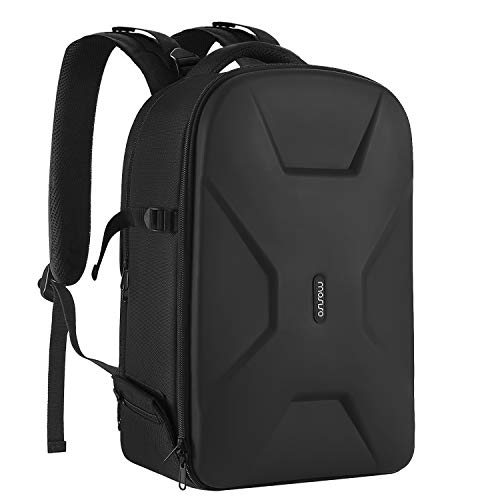
MOSISO’s camera backpack blends a hard-shell feel with flexible interior storage. The bag includes two compartments with padded, removable modular inserts in the upper section, allowing customized layouts for cameras, flashes, lenses, and even drones. A dedicated laptop compartment accommodates up to a 16-inch device. The exterior features a waterproof PU leather hardshell for front protection, while the back includes a high-elasticity cushion for comfort during long shoots. A tripod holder, side pocket for gear like umbrellas, and a secure anti-theft pocket add practical value for professionals on the move.
CADeN D6 Camera Backpack

CADeN’s D6 backpack emphasizes lightweight, practical capacity. With dimensions around 11 x 5.9 x 15 inches, it holds a camera body, multiple lenses, a flash, and a tablet or small drone equipment. The design includes scratch- and water-resistant materials, a hidden front pocket for daily essentials, and a side mesh pocket for water bottles or umbrellas. It offers multiple carrying options with extended, elastic shoulder belts and memory foam for comfort. The bag is suitable for photographers who need a balanced blend of protection and portability on location shoots or travel.
CADeN Lens Pouch Set (4 Pack)
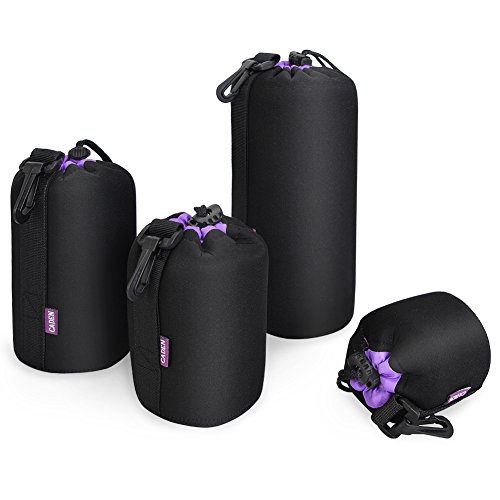
These CADeN lens pouches cover four sizes to protect lenses during travel or storage. The neoprene cases are thick enough to cushion against minor impacts and feature a soft interior to cradle lenses gently. The set emphasizes durable buckles and water-resistant outer material. Flexible carrying options include adaptor triangles, waist belts, and compatibility with suitcases, making it easier to transport multiple lenses securely between shoots or locations.
eCostConnection Deluxe Large Digital Camera Bag

Designed for versatility, this large padded bag supports Canon and Nikon DSLR setups along with accessories. It includes a removable divider for custom interior layouts and dual side pockets for batteries, cards, and small gear. The top carry handle and removable shoulder strap provide flexible carrying options for photographers who travel light or with a larger kit. It is marketed as suitable for daily shoots and longer trips, offering robust padding to reduce impact during movement.
CADeN D6 Backpack (Green)
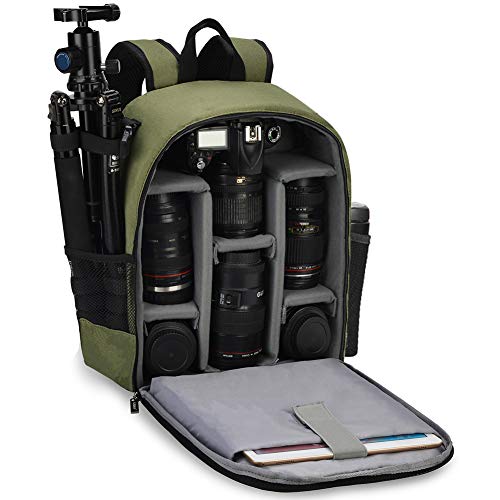
CADeN’s D6 in green emphasizes a lightweight profile with strong internal capacity for one camera body plus multiple lenses, plus space for a tripod or trekking pole. It touts scratch- and water-resistant materials, a hidden front pocket, flexible carry options, and memory-foam shoulder belts for added comfort on longer shoots. The design prioritizes a practical balance of protection, access, and portability for photographers who need quick gear transitions in the field.
Buying Guide: What To Consider When Choosing a Lens-Friendly Camera Bag
- Capacity and layout: Evaluate internal dividers and modular inserts to fit your typical kit, including camera bodies, telephoto lenses, flashes, batteries, and memory cards. A bag that offers customizable space reduces gear shifting and scratches during transport.
- Protection: Look for padded interiors, shock-absorbent materials, water-resistant exteriors, and, for some models, hard-shell protection in the front. A dedicated lens sleeve or pouch is valuable for large, fragile glass.
- Accessibility: Quick access pockets and well-placed zippers help you retrieve lenses without exposing other gear to dust or moisture. Consider how a bag opens (top, side, or back panel) and whether you need a backpack, sling, or duffel-style design.
- Comfort and weight: Backpack straps with memory foam, ergonomic back support, and waist belts reduce fatigue on long shoots. Also consider the bag’s own weight when empty, as heavier shells or padding can add up.
- Protection vs. portability: Rigid, hard-shell fronts offer superior protection for long lenses; soft-shell backpacks are lighter and more flexible but may require more careful packing.
- Weather and durability: Materials like waterproof or water-resistant fabrics, rugged stitching, and reinforced seams extend life in varied environments.
- Accessories compatibility: If you own a tripod, drone, or monopod, verify external attachment points or side pockets. Laptop or tablet compartments can be a plus for on-site edits or data management.
- Maintenance and cleaning: Removable, washable interiors or accessible outer pockets simplify upkeep after shoots in dust or rain.
- Price vs. value: Higher price often aligns with better materials, comfort, and protection. Weigh features against your budget and intended use (travel, daily carry, or field work).
Across the listed options, you’ll find trade-offs between rigid protection and flexible storage. For frequent travel with large telephoto lenses, a backpack with modular inserts and a dedicated laptop compartment offers the best blend of protection and adaptability. If you often shoot in light rain or need compact gear, smaller pouches or lighter bags may suffice, especially when used to supplement a larger carry system. Always assess your typical kit size, climate, and movement patterns to choose the bag that minimizes gear movement while maximizing quick access.