When precision matters, a reliable cable release helps you eliminate camera shake and achieve sharp long-exposure shots. This guide highlights five dependable mechanical shutter Release cables compatible with a wide range of cameras, from classic film bodies to modern digital cameras. Each option features a threaded shutter release, bulb-lock design for long exposures, and vibration-free operation to ensure stability in challenging shooting conditions. Use the buying guide below to compare lengths, compatibility, and locking features to pick the best fit for your setup.
| Product | Brand | Approx. Length | Key Feature |
|---|---|---|---|
| JJC TCR-70BK Black 70cm | Fotasy | 70 cm | Bulb-lock, vibration-free |
| Pastlla 15.7″ (40 cm) | Pastlla | 40 cm | Bulb-lock, long-press support |
| Shutter Release Cable 100cm | eTone | 100 cm | Wide compatibility, standard thread |
| Fotasy 100cm Mechanical | Fotasy | 100 cm | Bulb-lock, threaded |
| JJC Mechanical Cable (X Series) | JJC | Varies | Locking function, anti-shake |
JJC TCR-70BK Black 70cm Threaded Cable Release
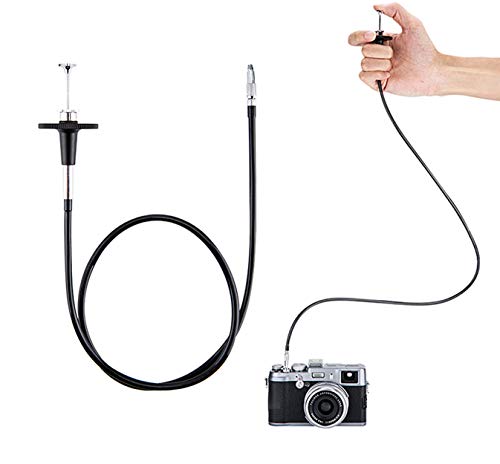
The JJC TCR-70BK is a compact 70 cm mechanical shutter release designed for cameras with a threaded shutter button. Its vibration-free operation helps minimize camera shake during long exposures and macro shots. The bulb-lock design is ideal for bulb mode and time-lapse intervals, keeping the shutter open without accidental re-engagement. Its straightforward construction makes setup quick, and the threaded interface ensures broad compatibility with many brands that support standard shutter-release holes.
Pastlla 15.7″ Threaded Release Cable
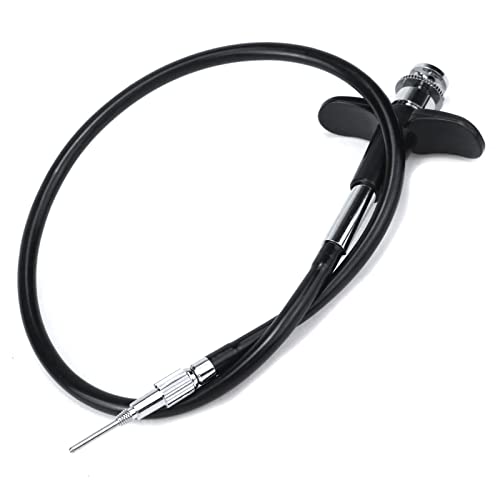
The Pastlla 15.7″ (40 cm) threaded release cable offers a longer-than-average reach with a simple, robust design. It is suitable for cameras with a standard shutter thread and provides a mechanical shutter action with a bulb-lock feature for stable long exposures. The package includes a single shutter cable crafted from durable materials, accommodating both digital and traditional film cameras that support a threaded release button.
Shutter Release Cable 100cm for Nikon, Canon, Fuji, and More

This 100 cm shutter release cable is designed to fit cameras that use a standard threaded connector and is compatible with many mechanical film cameras as well as some modern digital models and large-format lenses. The cable keeps the shutter release secure, reducing camera shake for critical exposures and macro work. It’s a practical choice for photographers seeking a long, reliable extension for precise control over shutter timing.
Fotasy 100cm Mechanical Cable Shutter Release

The Fotasy 100 cm mechanical release includes a bulb-lock system and a tapered threaded end for secure attachment to a wide range of cameras. It is compatible with film bodies and digital cameras that support threaded shutter buttons. This release is designed to minimize tremor during exposures and is a solid option for long-exposure photography, macro work, and time-lapse sequences where even slight movement can blur the frame.
JJC TCR-70R 70cm Mechanical Cable Release

The JJC TCR-70R offers a 70 cm reach with a reliable bulb-lock system for long exposures and vibration-free shutter operation. This model is designed for cameras that feature a threaded shutter release button and is compatible with a broad range of brands and models. It emphasizes stability and ease of use, helping photographers maintain sharp focus in dynamic shooting environments, including telephoto work and macro setups.
Buying Guide: Key Purchase Considerations
- Compatibility: Check whether the release head threads match your camera’s shutter button. Most options use standard 1/4″-20 or similar thread patterns; verify your camera’s compatibility before purchasing.
- Locking Mechanism: A bulb-lock or locking function prevents accidental button presses during exposure. This is crucial for long exposures, macro work, and setups with heavy tripods.
- Length Requirement: Shorter cables are portable, while longer cables reduce camera shake during distance works or awkward angles. Choose a length that fits your typical shooting distances.
- Material Durability: Look for metal connectors and rugged housings for repeated use in challenging weather or studio environments.
- Shake Reduction: While a cable release reduces shake, ensure the rest of your setup (tripod, ball head, vibration isolation) is stable to maximize sharpness.
- Macro and Telephoto Use: For macro or long-lens photography, consider a release with a locking function and a longer reach to keep the camera steady during precise timing impulses.
- Film vs. Digital: Some releases cater to both film cameras and modern digital bodies. If you shoot both, prioritize universal compatibility and locking reliability.
- Maintenance: Keep threads clean and lightly lubricated; avoid overtightening to protect the shutter button and release threads from wear.
Choosing the right cable release involves balancing length, compatibility, and locking features against your typical shooting scenarios. For studio work, a shorter, highly stable release with a strong locking mechanism can be ideal. For nature and field photography, a longer cable with robust construction may offer more flexibility without compromising stability. When you pair a quality cable release with a solid tripod and proper exposure settings, you greatly improve your chances of capturing sharp, shake-free images across a variety of subjects.