For American photographers evaluating bridge cameras and DSLRs, the right model balances long zoom reach, solid image quality, and easy handling. The following five selections from well-known brands emphasize extended zoom ranges, 1080p or 4K recording, and reliable stabilization—without sacrificing portability. Use this guide to compare features and build a short list that fits travel, sports, or everyday shooting.
| Product | Brand | Highlights | Notes |
|---|---|---|---|
| Panasonic LUMIX FZ80D | Panasonic | 60X zoom, 4K video, post focus | Ideal for action and travel |
| Kodak PIXPRO AZ528-BK | KODAK | 52x zoom, 24mm wide, Wi‑Fi | Value-oriented superzoom |
| Minolta Pro Shot 20MP (Black) | Minolta | 67x zoom, 1080p video, stabilization | Feature-rich beginner option |
| Nikon COOLPIX P950 | Nikon | 83x zoom, 4K video, RAW | Birding and distant subjects |
| Minolta MN40Z 20MP (Black) | Minolta | 40x zoom, 1080p video, stabilization | Compact, versatile |
Panasonic LUMIX FZ80D Bridge Camera

The Panasonic LUMIX FZ80D is a versatile bridge camera tailored for enthusiasts who want a long zoom and solid video performance in a compact body. It features a 60x optical zoom range and a 20-1200mm equivalent lens, making it easier to frame distant subjects without moving closer. A bright 2,360K-dot electronic viewfinder helps you compose shots in sunlight, reducing glare and eye strain. In addition to high-quality stills, the camera offers 4K video capture, and a 4K Photo option to extract 8-megapixel stills from video, providing flexible editing possibilities after the shot. The Post Focus feature enables you to adjust the focal point after capture, giving new control to detail emphasis. This combination suits travel, sports, and nature photography where reach and flexibility are key.
Key considerations:
– Pros: Long zoom range, strong video features, post-capture focus control.
– Cons: Larger than compact point-and-shoots; battery life varies with heavy video use.
– Best suited for: Travel, wildlife, sports, and situations where changing lenses isn’t convenient.
Kodak PIXPRO AZ528-BK 16 MP
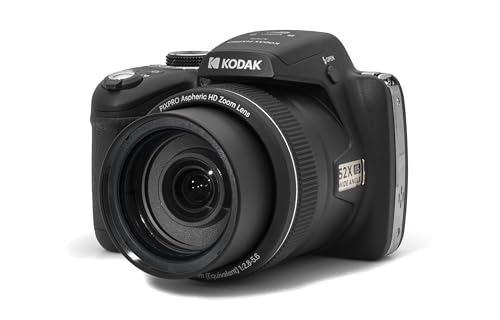
The Kodak PIXPRO AZ528-BK provides ample zoom with a 52x optical range and a 24mm wide-angle lens, ideal for landscapes and travel scenes. Its 16 MP sensor delivers crisp images with adequate detail for printing or sharing online. Video recording tops out at 1080p, which is sufficient for everyday vlogging and casual footage. Built-in Wi‑Fi allows wireless control via smartphones or tablets, enabling remote shooting and quick sharing. This model is a practical option for beginners or hobbyists who want a feature-rich camera without a premium price tag.
Key considerations:
– Pros: Large zoom range, easy Wi‑Fi integration, approachable for new photographers.
– Cons: 1080p video rather than 4K; lower light performance by today’s standards.
– Best suited for: Family events, vacation photography, and social media sharing.
Minolta Pro Shot 20MP Black

The Minolta Pro Shot 20MP camera emphasizes a strong zoom and stabilization for clear, faraway shots. With 67x optical zoom and autofocus, it keeps subjects sharp from wide-angle to extreme telephoto. The camera supports full HD 1080p video at 30fps and includes wireless capabilities for convenient sharing and remote control. For travelers, hobbyists, and entry-level shooters, the 20MP sensor offers one of the clearer photo results in this class, with a feature set designed to maximize versatility across genres like wildlife, events, and street photography.
Key considerations:
– Pros: High zoom range, solid stabilization, reliable autofocus.
– Cons: Large zooms can introduce camera shake without stabilization; older sensor generation.
– Best suited for: Travel, nature, and casual videography where distance matters.
Nikon COOLPIX P950 16 MP

Nikon’s COOLPIX P950 offers an expansive 83x optical zoom, making distant subjects more accessible without a tripod. It includes built-in scene modes and specialized modes like Bird and Moon, which assist in achieving reliable results in specific contexts. The 16 MP sensor delivers adequate detail for prints and sharing, while 4K Ultra HD video provides higher-end recording options for vlogs and travel diaries. A rotating LCD screen enhances usability for angled shots, and the camera’s Wi‑Fi enables quick transfers to mobile devices for posting on social platforms.
Key considerations:
– Pros: Extremely long reach, versatile shooting modes, easy for beginners.
– Cons: Slightly bulky for casual everyday use; still-limited low-light performance at higher ISOs.
– Best suited for: Birdwatching, wildlife, travel, and landscape shooters needing reach.
Minolta MN40Z 20MP 40x Zoom Black

The Minolta MN40Z blends a 40x optical zoom with a 20MP sensor and 1080p video, providing a balance between reach and image quality. Optical image stabilization helps keep shots crisp at high magnification, while a 3.0-inch LCD screen supports comfortable framing. The inclusion of Wi‑Fi enables remote shooting and sharing, making it convenient for everyday photography and travel. This camera is well-suited for users who want a capable zoom with modern connectivity in a compact package.
Key considerations:
– Pros: Strong zoom, stabilization, and easy connectivity.
– Cons: May lack some modern features found in higher-end models.
– Best suited for: Everyday use, travel, and zoom-focused photography.
Buying Guide: Choosing The Right Bridge Camera Or DSLR
- Zoom range and focal length: Longer zooms—60x, 80x, or more—facilitate distant subject framing without moving. Consider whether you primarily shoot landscapes, wildlife, sports, or travel, and match the zoom to those needs.
- Image quality and sensor size: Look for megapixel counts around 16–20MP for crisp prints. Sensor quality and noise handling matter in low light; some cameras in this list prioritize zoom over high-ISO performance.
- Video capability: If you plan to create video content, note whether 4K or 1080p is available and what frame rates are supported. 4K Photo features can offer post-capture flexibility for stills.
- Stabilization: Optical or sensor-shift stabilization helps maintain sharpness at long focal lengths. Verify the effectiveness under real-world shooting, especially for handheld footage.
- Viewfinder and display: An electronic viewfinder helps when sun glare makes the rear screen hard to use. A tilting or rotating LCD is advantageous for shooting at awkward angles.
- Connectivity: Wi‑Fi or Bluetooth enables quick transfers to mobile devices for sharing. Remote shooting can be a practical feature for group shots or wildlife.
- Portability and ergonomics: Bridge cameras are generally larger than compact cameras. Check grip comfort, weight, and button layout to ensure long shooting sessions are feasible.
- Future-proofing: While these models are not interchangeable-lens systems, you can still look for models with upgradable firmware or accessories that expand stabilization and shooting modes.
- Price vs. features: Balance your budget with the needs for zoom, video, and autofocus performance. A higher zoom range often comes at the expense of size and weight.
In short, for travelers, wildlife observers, and hobbyists, a bridge camera with an expansive zoom and solid stabilization offers a practical alternative to DSLRs and mirrorless kits. For absolute image quality and future-lens flexibility, a traditional DSLR or mirrorless camera might be preferred, but at a higher cost and complexity. The models above cover a range of budgets and use cases, from 4K-capable action shooting to extended-zoom nature chasing, helping you select the best fit for your next project.