Discover top zoom lenses and kits that extend your camera’s reach, sharpen distant details, and help you capture high-speed action with clarity. This guide highlights five highly capable options, spanning DSLR, mirrorless, and camera-agnostic kits. Each entry includes practical features to consider, so you can pick the best zoom lens for sports, wildlife, or fast-moving scenes.
| Product | Brand | Zoom Range | |
|---|---|---|---|
| Nikon AF-S DX 55-300mm | Nikon | 55-300mm | Vibration Reduction for steadier shots |
| Canon RF 75-300mm | Canon | 75-300mm | Wide range for full-frame and APS-C systems |
| Canon EF 75-300mm f/4-5.6 III | Canon | 75-300mm | Affordable telephoto with versatile focal length |
| Sony E 55-210mm | Sony | 55-210mm | Internal focusing and image stabilization |
| Canon EOS R100 Double Zoom Kit | Canon | RF75-300mm + RF-S 18-45mm | Two zoom options for versatility |
This selection focuses on lenses and kits that deliver solid reach, stabilization options, and practical compatibility across popular camera systems. Each product offers distinct advantages—from lightweight designs ideal for travel to more pronounced telephoto ranges suited for distant subjects.
Nikon AF-S 55-300mm Telephoto Zoom

The Nikon AF-S 55-300mm combines a solid telephoto range with VR image stabilization, helping to keep distant subjects sharp in variable light. Its focal length covers mid-to-telephoto photography, making it suitable for sports, wildlife, and event coverage. The lens is designed for Nikon DX-format DSLRs, with a reliable focus mechanism and a robust optical design to minimize distortion across the zoom range.
Canon RF 75-300mm Telephoto Zoom

Designed for Canon RF-mount mirrorless bodies, this telephoto zoom offers a broad reach in a compact package. With a 75-300mm focal length, it gives flexibility for portraits, travel, and action photography. The construction emphasizes portability and balance on smaller bodies, making it a practical choice for enthusiasts who want more distance without sacrificing ease of use.
Canon EF 75-300mm f/4-5.6 III

This Canon EF mount telephoto zoom provides an affordable option for older Canon DSLR bodies. The focal range supports versatile framing from portraits to distant action, and the lens includes coatings to minimize flare in bright, high-contrast conditions. It pairs well with entry-to-mid-level Canon DSLRs for hobbyist shooters seeking reach without a steep price.
Sony E 55-210mm Telephoto Zoom

This lens offers a practical zoom range for Sony E-mount cameras, combining a compact form with internal focusing and stabilization features. It is well-suited for action, sports, and wildlife photography, providing decent reach with smooth autofocus for video work. Its non-rotating focus design can aid manual focus during videography when AF is engaged.
Canon EOS R100 Double Zoom Kit
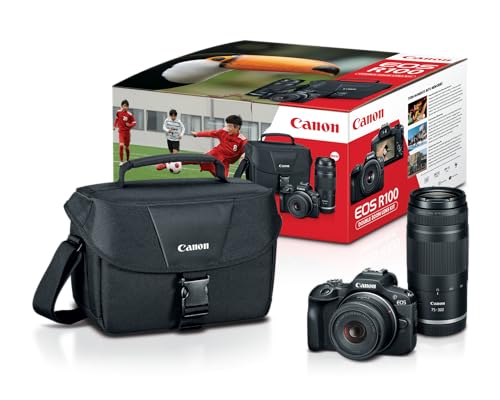
This kit pairs the Canon EOS R100 with two zoom lenses: RF75-300mm and RF-S 18-45mm. It offers a versatile combination for travel and everyday shooting, enabling close-ups and wide scenes. The RF mount’s compatibility with newer Canon bodies ensures modern autofocus and quick performance, while the two lenses provide broad coverage from wide to telephoto perspectives.
Buying Guide
Key purchase considerations help tailor a lens choice to your gear and shooting style:
- Camera system compatibility: Ensure the lens mount matches your camera (Nikon F/DX, Canon EF/EF-S, Canon RF, Sony E, etc.).
- Zoom range vs. weight: Longer focal lengths provide greater reach but add weight and size. Balance with portability for travel or handheld action.
- Stabilization: Look for built-in VR/IS to reduce shake in telephoto shots, especially in shaky hands or low light.
- Autofocus performance: Fast, silent AF benefits sports or video work; consider lenses with advanced AF motors for rapid focusing.
- Image quality considerations: Coatings, lens elements, and construction affect flare control, contrast, and edge sharpness across the zoom range.
- Budget and kit flexibility: Kits offering multiple lenses provide versatility, but standalone lenses may optimize weight and price for a dedicated use case.
- Intended subjects: Distant subjects (birds, sports) benefit from longer zooms, while close-ups for portraits may favor shorter, brighter focal lengths.
These lenses span consumer-friendly options to more capable telephoto choices, delivering usable results for beginner and intermediate photographers alike. When evaluating a zoom lens for action, prioritize stability, autofocus performance, and how the focal range aligns with your typical shooting scenarios.