When choosing a 70-200mm lens, photographers weigh speed, sharpness, stabilization, and color rendition across genres like portraiture, sports, and wildlife. The following five lenses represent strong options across Canon, Sony, and Nikon systems, balancing constant f/2.8 or f/4 apertures with reliable autofocus and image stabilization. This guide highlights each model’s strengths, ideal use cases, and compatibility to help you pick the right telephoto zoom for your camera ecosystem.
| Brand | Model | Mount/Compatibility | Key Strength |
|---|---|---|---|
| Canon | RF70-200mm F2.8 L IS USM | Canon RF | Ultra-bright f/2.8 and IS |
| Sony | FE 70-200mm F2.8 GM OSS II | Sony E (FE) / Full-Frame | Fast AF, high Resolution |
| Canon | RF70-200mm F4 L IS USM | Canon RF | Lightweight, sharp at f/4 |
| Canon | EF 70-200mm f/2.8L IS III USM | Canon EF Mount | Trusted performance on DSLR bodies |
| Nikon | NIKKOR Z 70-200mm f/2.8 S | Nikon Z | Professional Z-mount excellence |
Canon RF70-200mm F2.8 L IS USM—RF System

The Canon RF70-200mm F2.8 L IS USM delivers a bright constant f/2.8 aperture across the zoom range, enabling exceptional subject isolation and faster shutter speeds in variable light. Known for high image quality, this RF L-class telephoto zoom offers up to 5 stops of image stabilization, helping maintain sharpness in hand-held scenarios such as sports and wildlife. Its compact design for an f/2.8 telephoto makes it a versatile choice for mirrorless Canon shooters seeking professional performance in a relatively portable package.
Sigma 70-200mm F2.8 DG DN OS for Sony

Note: This option is included for reference among fast telephoto zooms. It provides a responsive HLA AF motor, dust and splash resistance, and OS stabilization. The lens is designed for Sony E-mount and L-mount users, delivering strong autofocus performance and robustness in mixed shooting environments.
Sony FE 70-200mm F2.8 GM OSS II
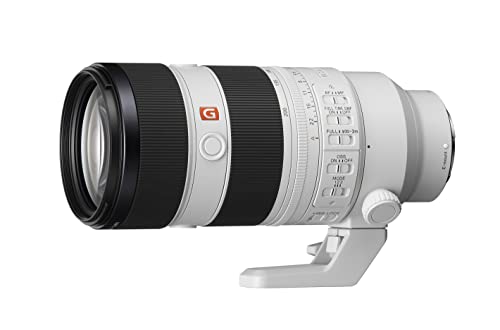
The Sony FE 70-200mm F2.8 GM OSS II provides top-tier optical performance across the zoom range with a highly corrected design. It employs multiple aspherical and low-dispersion elements to maintain high resolution, while Nano AR coatings reduce flare. Its XD Linear Motors enable fast, quiet AF suitable for both stills and video, with a robust construction and reliable stabilization for action and sport photography.
Canon RF70-200mm F4 L IS USM

The Canon RF70-200mm F4 L IS USM is Canon’s lighter option in the 70-200 range. It maintains high image quality with a constant f/4 aperture and up to 5 stops of stabilization. While slower in low light compared to f/2.8 counterparts, its compactness, affordability, and balanced performance make it a practical choice for travel, events, and everyday outdoor photography on RF-mount bodies.
Canon EF 70-200mm f/2.8L IS III USM

The Canon EF 70-200mm f/2.8L IS III USM is a staple for DSLR users seeking reliable, pro-grade performance. It provides a constant f/2.8 aperture across the range, ASC coatings to minimize ghosting, and optical image stabilization for up to approximately 3.5 stops of shake correction. This lens remains relevant for Canon DSLR shooters working with high-speed sports, events, or portrait work on a proven platform.
Nikon NIKKOR Z 70-200mm f/2.8 S

The Nikon Z 70-200mm f/2.8 S is designed for Nikon Z-mount full-frame mirrorless bodies, delivering professional sharpness and a consistent f/2.8 aperture. It features a refined autofocus system and excellent subject isolation, making it a strong pick for sports, portraits, and wildlife within Nikon’s Z ecosystem. The lens balances well on high-end Nikon bodies and offers dependable performance in dynamic shooting scenarios.
Buying Guide: Key Purchase Considerations
Purpose and system: Match the lens to your camera system (Canon RF, Sony E, Nikon Z, or DSLR EF). Consider whether you prioritize speed (f/2.8) or lighter weight (f/4) based on how you shoot and travel needs.
Weight and balance: Larger f/2.8 lenses can feel top-heavy on smaller bodies. Evaluate the total rig in real-world use, including tripod or monopod support for long shoots.
Autofocus and stabilization: Fast, accurate AF is crucial for sports and wildlife. Image stabilization helps in low light and when panning, but know the gain varies by model and sensor compatibility.
Optical performance: Look for aspheric, low-dispersion elements, coatings like Nano AR, and how well the lens controls aberrations across the zoom range. Real-world tests show how color rendition and contrast hold up at different focal lengths.
Durability and weather sealing: For outdoor photography, choose lenses with weather sealing and robust build quality to withstand dust, moisture, and temperature changes.
Compatibility and future-proofing: If you anticipate upgrading bodies, consider RF or Z-mount lenses designed to leverage newer sensor tech and autofocus algorithms. Trilogy kits and firmware updates can influence long-term value.
Price vs. value: While higher-end f/2.8 models offer peak performance, f/4 variants can deliver excellent results at a lighter weight and lower cost. Assess your typical shooting conditions and whether the extra stop of light is essential.
Accessory ecosystem: Check for compatibility with teleconverters, dedicated hoods, caps, and carry solutions. Some lenses offer easier focus control and smoother manual focus for video work.