Photographers who chase distant subjects know a 600 mm class lens can dramatically improve reach, subject isolation, and background compression. This guide highlights top 600 mm options across Nikon, Sony, and Sigma systems, focusing on optical performance, stabilization, build quality, and practical versatility. Each pick is evaluated for wildlife, sports, and travel needs, helping you choose the right long-telephoto lens without overpaying for features you won’t use. Read on to compare five strong 600 mm or near-600 mm choices and their best-use scenarios.
Summary of Selected Lenses
| Brand | Model | Mount | ||
|---|---|---|---|---|
| Nikon | NIKKOR Z 180-600mm f/5.6-6.3 VR | Nikon Z | 180-600mm | In-camera VR, long reach with close focus |
| Sony | FE 200-600mm F5.6-6.3 G OSS | Sony E | 200-600mm | Sharp across zoom range, fast AF |
| Sigma | 150-600mm f/5-6.3 DG OS HSM Contemporary (Nikon) | Nikon F | 150-600mm | Weather-resistant, OS stabilization |
| Sigma | 150-600mm f/5-6.3 DG OS HSM Contemporary (Canon) | Canon EF | 150-600mm | Lightweight design, robust build |
| Sigma | Another Canon EF variant of 150-600mm Contemporary (Canon) | Canon EF | 150-600mm | Versatile, strong optics for wildlife |
Nikon NIKKOR Z 180-600mm VR—A Flexible Full-Frame Telephoto

The NIKKOR Z 180-600mm f/5.6-6.3 VR offers a broad 180-600mm range, making it ideal for wildlife and sports where framing flexibility matters. Its VR stabilization translates to a virtual shutter speed boost of up to 5.5 stops, helping reduce blur in handheld shooting or when panning. The minimum focus distance of 4.27 feet at the wide end adds the option to capture close subjects with a strong background separation. Teleconverters extend reach to 1200mm or 840mm, expanding long-distance options while remaining compatible with Nikon Z bodies.
Key features include easy operation, strong VR performance, and a compact profile for a long telephoto. This lens suits mirrorless shooters who want a versatile, all-terrain option without carrying multiple dedicated primes.
Sony FE 200-600mm F5.6-6.3 G OSS—Sharp, Versatile Telephoto
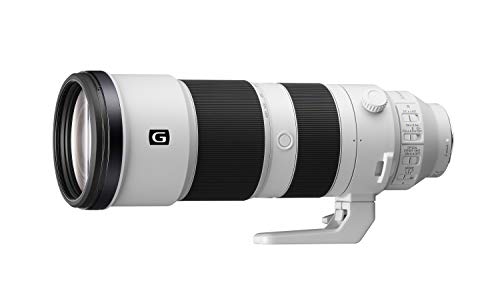
The Sony FE 200-600mm G OSS is built for wildlife and sports photographers who demand high resolution and speed across the entire zoom range. The lens incorporates five ED elements to minimize chromatic aberration and distortion, enhancing edge-to-edge sharpness. Its internal zoom helps maintain balance and handling, especially when mounted on larger bodies or gimbals. The combination of Optical SteadyShot stabilization and a responsive autofocus system makes it a strong option for handheld or monopod setups in variable light and distance scenarios.
Sigma 150-600mm f/5-6.3 Contemporary for Nikon—Robust Telephoto Reach

This Sigma Contemporary lens delivers an expansive 150-600mm range with weather-resistant construction and 95mm filter compatibility. The OS (optical stabilization) helps steady handheld shots, and its HSM (Hyper-Sonic Motor) delivers fast, quiet focusing ideal for distant wildlife and fast-moving sports. The lens is designed for Nikon F-mount cameras, with a balanced design that keeps weight manageable for longer shoots and field work.
Sigma 150-600mm f/5-6.3 Contemporary for Canon EF—Pro Telephoto Versatility

Canon EF-mount users gain access to a versatile 150-600mm zoom with robust, weather-resistant construction. The lens features a nine-blade diaphragm for pleasing bokeh and smooth subject isolation. Its zoom range makes it suitable for birding, wildlife, and distance sports, with a design that balances weight and handling for handheld or tripod setups. The lens also emphasizes optimal optical performance through its dedicated coatings and glass elements to reduce flare and maintain contrast in challenging light.
Extra Large Lens Case for 200-800mm and 180-600mm—Protection On The Move

While not a lens itself, a high-capacity case protects your investment when transporting long telephotos. This case accommodates large zooms, including 180-600mm and 200-800mm configurations, and features thick interior padding and water-resistant exterior material. It helps prevent scratches, dust, and moisture during travel or field work. The case is compatible with several brands and telephoto configurations, making it a practical addition to any long-telephoto kit.
Buying Guide: How to Choose a 600 mm Lens
- Mount compatibility: Ensure the lens matches your camera system (Nikon Z, Canon EF, Sony E, or others) and consider whether you plan to upgrade to a newer body in the near term.
- Maximum aperture and stabilization: Long telephotos benefit from steady stabilization. Look for built-in VR/OSS and consider whether the f/5.6-6.3 range meets your lighting conditions, or if you rely on higher ISO or faster shutter speeds.
- Autofocus performance: For wildlife and sports, fast and reliable AF is essential. Examine motor type (USD, HSM, OSS) and the lens’s tracking capabilities in real-world tests.
- Build and weather sealing: Outdoor work benefits from weather sealing and rugged construction. Weather resistance is especially important for field shoots in varied climates.
- Weight and balance: Long lenses can be heavy. Consider your usual shooting stance, tripod compatibility, and whether you will shoot handheld or with monopods.
- Accessory ecosystem: Check for compatibility with teleconverters, hoods, dedicated cases, and cases that can accommodate reversed lens configurations when needed.
- Image quality trade-offs: At the 600 mm end, some lenses sacrifice corner sharpness or contrast relative to mid-range focal lengths. Review real-world sample images and tests to judge sharpness, color rendition, and distortion.
- Price-to-performance: The Nikon, Sony, and Sigma options vary in price. Weigh the feature set against your budget and expected shooting scenarios to determine the best value.
When selecting among these options, align your choice with your camera system, typical shooting conditions, and whether you prioritize maximum reach, stabilization, or portability. Each lens presented here suits wildlife and sports contexts, offering substantial reach with practical handling for field use.