Choosing the right SD card is essential for 4K video workflow, reliable RAW bursts, and fast offloads. This guide highlights five top options that balance high transfer speeds, capacity, and compatibility with modern cameras and readers. Each card is evaluated based on read/write performance, durability, and best-use scenarios to help you select the right memory for your gear.
| Product | Capacity | Read/Write Speed Notes | Best For |
|---|---|---|---|
| SanDisk 128GB Extreme PRO SDXC UHS-I | 128 GB | Up to 200 MB/s read; up to 90 MB/s write | 4K video, fast offload |
| SanDisk 256GB Extreme PRO SDXC UHS-I | 256 GB | Up to 200 MB/s read; up to 140 MB/s write | Extended projects, high-burst shooting |
| SanDisk 256GB Extreme microSDXC UHS-I | 256 GB | Up to 190 MB/s read; up to 140 MB/s write | MicroSD with adapters for compact rigs |
| Lexar 128GB Professional 1667x SD Card | 128 GB | Up to 250 MB/s read; UHS-II | Professional photography and 4K video |
| DIGIERA 256GB CS100 SDXC UHS-I | 256 GB | Up to 100 MB/s read; up to 70 MB/s write | Budget-friendly 4K transfers |
SanDisk 128GB Extreme PRO SDXC UHS-I Memory Card
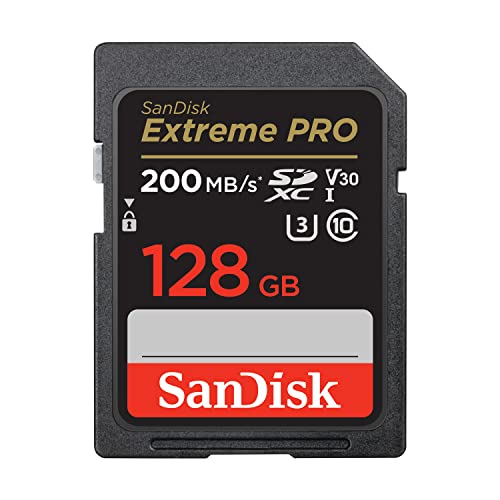
Capacity and performance align for 4K capture with solid offload speeds. The card leverages SanDisk QuickFlow Technology to deliver high read speeds, enabling quick data transfer to hosts and readers that support the protocol. It is designed for photographers and videographers who need reliable sustained performance during high-bitrate recording. Real-world speeds may vary based on host device, interface, and file type, but this card is built to handle 4K UHD workloads with confidence.
SanDisk 256GB Extreme PRO SDXC UHS-I Memory Card

This larger capacity option includes up to 200 MB/s read and up to 140 MB/s write speeds, suitable for longer 4K shoots and faster offloads when paired with compatible readers. The card is marketed with QuickFlow technology and is intended to pair with SanDisk PRO-READER SD and microSD for maximum throughput. While performance can vary by device, it remains a premier choice for professionals requiring steady speed and reliable storage during demanding sessions.
SanDisk 256GB Extreme microSDXC UHS-I Memory Card

Designed for devices that rely on microSD storage, this card offers high transfer speeds with the versatility of adapters for use in cameras, action cams, and drones. Read speeds approach 190 MB/s in some configurations, with write speeds around 140 MB/s, supporting 4K video workflows and quick memory offloads. It remains a practical option for compact rigs and systems needing serious capacity in a smaller format.
Lexar 128GB Professional 1667x SD Card

This Lexar card uses UHS-II technology with read speeds up to 250 MB/s, supporting fast transfers and continuous shooting with DSLR or mirrorless cameras. Its 128 GB capacity suits photographers and videographers who shoot lengthy sessions or 4K video without swapping cards. The card’s performance targets professional workflows, including multi-shot bursts and high-resolution video capture, while offering reliable Durability and compatibility with supported readers and devices.
DIGIERA 256GB CS100 SDXC UHS-I Memory Card

Affordability meets 4K readiness with this DIGIERA model. It offers up to 100 MB/s read and 70 MB/s write speeds, which makes it a practical option for budget-conscious users who still need reliable storage for 4K UHD video and large file transfers. The 256 GB capacity helps extend shooting sessions, though it may not match the sustained performance of higher-end UHS-II or UHS-I Pro cards. It remains a solid choice for everyday 4K recording and home theater devices requiring dependable memory expansion.
Buying Guide: Key Purchase Considerations
When selecting a 4K camera SD card, consider compatibility with your camera’s card format, the required speed class, and your typical workflow. If you shoot continuous 4K footage or use high-bitrate codecs, prioritize cards with higher write speeds and robust sustained performance. UHS-I cards are common and affordable, but UHS-II cards provide faster transfers for professional-grade setups, especially when paired with compatible readers. Capacity should match your project length and archive plans; editors often recommend 128 GB to 256 GB for daily shoots, with larger cards for multi-day sessions.
Another consideration is reliability and durability. Look for cards with strong error correction, cold/heat tolerance, and shock resistance for field work. SanDisk’s PRO series and Lexar’s professional lines are known for dependable performance under professional conditions, while microSD options offer flexibility for compact rigs or devices that require small form factors. Finally, verify that your computer or camera supports the card’s speed class and interface to ensure you see the advertised performance in practice.
Performance tracking and offload workflow also matter. Cards featuring vendor-backed tools or “QuickFlow” style technology can help maximize data transfer to readers, reducing downtime between shoots and editing. For high-volume production environments, pairing a fast card with a fast reader and compatible host device is essential to maintain a smooth workflow. Always format cards using the camera’s recommended file system and keep a habit of backing up footage promptly after shoots.
In choosing between the options above, weigh capacity against speed needs. For general 4K recording with occasional offloads, a 128 GB card with strong sustained write speeds is sufficient. For longer shoots or multi-camera setups, a 256 GB model with high read/write rates reduces the risk of card swaps and data bottlenecks. Professionals balancing cost and performance may select a mix of mid-to-high capacity cards across the workflow to optimize efficiency.