Explore top 400 mm telephoto zooms and super-telephoto options ideal for sports, wildlife, and action photography. This guide highlights five well-regarded lenses across Canon, Nikon, Tamron, and other leading brands, focusing on optical quality, stabilization, and versatility. Each entry provides key features to help you compare performance, weight, and ergonomics for handheld or tripod-based setups.
Summary of selected lenses:
| Product | Brand | Key Benefit | Mount/Format |
|---|---|---|---|
| Canon RF 100-400mm f/5.6-8 IS USM | Canon | Compact, lightweight tele-zoom with IS up to 5.5 stops | Canon RF full-frame |
| Canon EF 100-400mm f/4.5-5.6L IS USM | Canon | Advanced L-serie optics with dual IS modes | Canon EF/DSLR |
| Nikon NIKKOR Z 100-400mm VR S | Nikon | Premium VR with 5-axis stabilization on FX cameras | Nikon Z |
| Tamron 50-400mm f/4.5-6.3 Di III VC VXD | Tamron | 8x zoom range for Sony full-frame, fast AF with VXD | Sony E |
| Tamron 18-400mm F/3.5-6.3 Di-II VC HLD | Tamron | All-in-one 18-400mm for Canon APS-C | Canon EF-S / APS-C |
Canon RF100-400mm F5.6-8 IS USM Black

Canon’s compact RF tele-zoom balances reach and portability for mirrorless systems. The 100-400mm focal range covers typical wildlife, sports, and nature subjects, making it a versatile alternative to heavier lenses. Optical Image Stabilization provides up to 5.5 stops of shake correction, with up to 6 stops when paired with EOS R bodies featuring IBIS. The lens is designed for handheld use and tight framing in dynamic environments, with a lightweight form factor that eases all-day shooting.
Canon EF 100-400mm f/4.5-5.6L IS USM

A classic L-series telephoto zoom for Canon DSLR shooters, this lens balances performance and reach. With two Image Stabilizer modes, it helps capture distant action and intimate portraits with consistent sharpness. Fluorite and Super UD-glass elements reduce chromatic aberrations, delivering clear, high-contrast images across the zoom range. The design emphasizes durability and professional handling for field use.
Nikon NIKKOR Z 100-400mm VR S

Designed for Nikon Z mirrorless bodies, this 100-400mm lens delivers strong autofocus performance and reliable image stabilization. It supports teleconverters and provides solid edge-to-edge sharpness via its VR system, making it a strong choice for wildlife and sports shooters who prefer Nikon’s Z mount. It’s a refined option for those seeking a premium, versatile telephoto zoom with modern AF precision.
Tamron 50-400mm f/4.5-6.3 Di III VC VXD
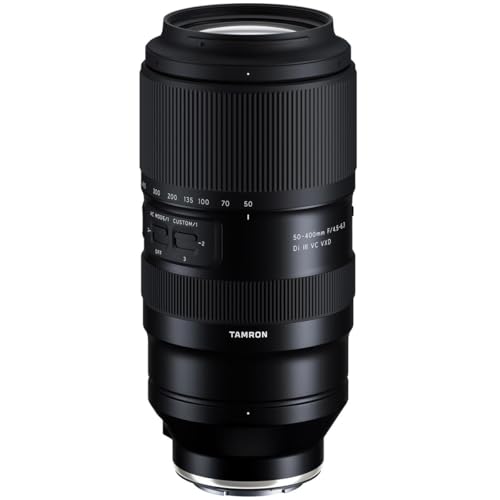
Tamron’s versatile 50-400mm lens for Sony full-frame mirrorless combines a broad focal range with advanced AF, fast VXD focusing, and optical stabilization. Its compact profile makes it suitable for travel and wildlife work where packing efficiency matters. The VC system helps maintain sharpness during long lenses and panning, while the wide zoom range reduces the need to switch lenses in the field.
Tamron 18-400mm F/3.5-6.3 DI-II VC HLD All-In-One Zoom
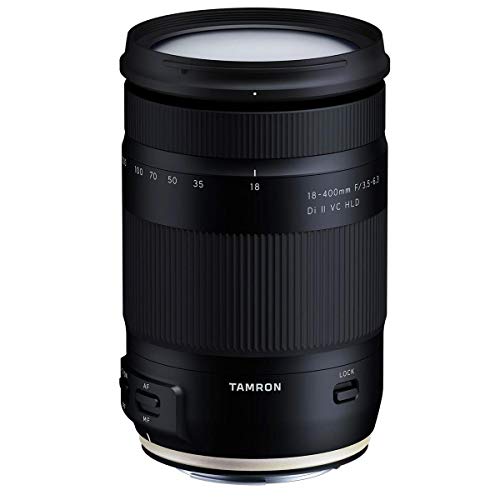
Tamron’s all-in-one option provides an expansive zoom range from wide to telephoto on Canon APS-C bodies. While not a pure 400 mm on full-frame, its reach and compact design make it a practical choice for enthusiasts seeking versatility in a single lens. The VC stabilization and HLD motor contribute to smooth, quiet focusing and reliable image quality across the zoom spectrum.
Buying Guide: Selecting A 400mm Lens
- Camera system compatibility: Ensure mount compatibility (Canon RF/EF, Nikon Z, Sony E, etc.) and consider future upgrades or downsizing in your kit.
- Focal range needs: 100-400mm ranges suit wildlife, birds in flight, and sports; 400mm fixed or limited zooms may offer lighter builds or faster apertures for specific situations.
- Aperture and image quality: Wider apertures like f/4.5-5.6 enable faster shutter speeds but add weight; consider nano-coatings and special elements for chromatic control.
- Stabilization: Optical Stabilization (IS/VR/VC) helps with handheld shooting. Check if in-body stabilization (IBIS) on the camera complements lens IS for better stops of correction.
- Autofocus performance: Look for fast focusing motors (USM, VXD, STM) and silent operation for wildlife or sports shooting where noise can matter.
- Weight and balance: L-series pro lenses are robust but heavier; lighter options improve portability and handholding ease for all-day shoots.
- Build quality and weather sealing: Consider weather-sealed lenses for outdoor use and rugged environments.
- Value and ecosystem: If you already own a particular mount system, some lenses offer better resale value or synergy with existing teleconverters and accessories.
- Maintenance and warranties: Verify warranty terms, especially for third-party brands offering longer coverage on all-in-one or telephoto options.
When choosing among these options, align the lens choice with your primary subjects, shooting style, and preferred camera system. Telephoto zooms provide flexibility, while dedicated prime-like telephotos deliver speed and edge-to-edge sharpness for specialized applications. Balancing weight, stabilization, and autofocus performance will influence comfort during long shoots and help maximize image quality in fast action scenarios.