Explore top 35mm films offering 36 exposures to maximize your shooting sessions. This guide compares color and black-and-white options from trusted brands, highlighting grain, latitude, and color quality to help you choose the right film for landscapes, portraits, and everyday photography.
| Product | Brand | Exposure Count | Notes |
|---|---|---|---|
| Kodak Ultramax 400 Color Print Film 36 Exp. 35mm | KODAK | 36 | 3-pack bundle; versatile color print film |
| FUJIFILM 400 Color Negative Film | Fujifilm | 36 per roll | Vibrant colors, good contrast for everyday shooting |
| Ilford HP5 Plus 400 Black & White Film | Ilford | 36 | Wide latitude; great for push processing |
| Kodak Portra 400 Color Print Film | GRDE | 36 | Balanced color, natural skin tones |
| Kodak Ektar 100 Professional Film | KODAK | 36 | Fine grain; vivid, saturated color |
Note: Each product and its features reflect common 35mm films suitable for 36-exposure rolls. Availability may vary by retailer.
Kodak Ultramax 400 36 Exposures
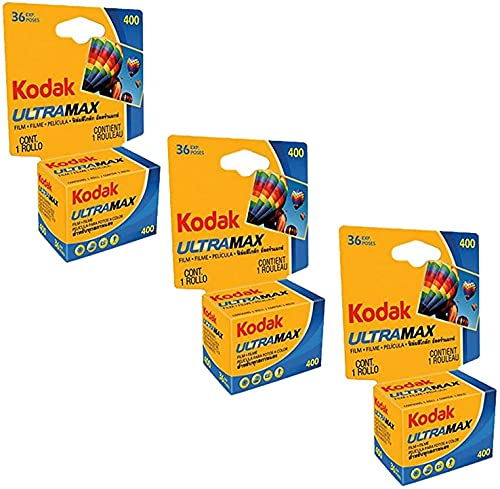
Kodak Ultramax 400 is a versatile color print film designed for everyday photography. It provides balanced color reproduction with moderate grain, making it suitable for street scenes, portraits, and travel. The 36-exposure format reduces the frequency of replacements during a single shoot, while its 400 ISO helps perform well in varying lighting conditions.
FUJIFILM 400 Color Negative Film (3-Rolls)

Fujifilm 400 Color Negative Film delivers vibrant colors and strong contrast with natural skin tones. With 36 exposures per roll and ISO 400, it performs well in daylight and modest indoor lighting, making it a reliable choice for landscapes, portraits, and travel photography.
Ilford HP5 Plus 400 B&W Film

Ilford HP5 Plus offers wide exposure latitude and a medium-high contrast, ideal for mixed lighting. It responds well to push processing, giving photographers flexible options for underexposed scenes or artistic grain, and is suitable for street photography and documentary work.
Kodak Portra 400 Color Print Film

Kodak Portra 400 is renowned for its natural skin tones and flexible color reproduction. This 36-exposure film is well-suited to portrait work and vibrant outdoor scenes, delivering subtle contrast and pleasing color balance across a variety of lighting conditions.
Kodak Ektar 100 Color Film
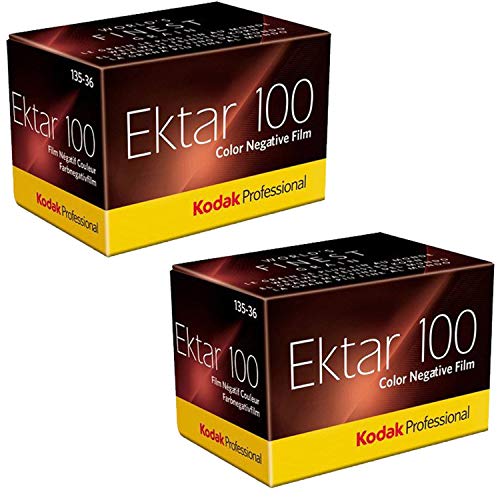
Kodak Ektar 100 is a professional-grade color negative film with extremely fine grain and vivid color, making it ideal for landscape and nature photography where sharpness and rich color are essential across 36 exposures per roll.
Kodak Gold 200 35mm Film Bundle

Kodak Gold 200 offers a balanced color palette with vibrant blues and warm skin tones, packaged as a 6-roll bundle. Its ISO 200 rating suits both outdoor and indoor scenes, delivering consistent results across lighting conditions with 36 exposures per roll.
FUJIFILM 200 Color Negative Film (3-Pack)

Fujifilm 200 provides a milder color rendition and finer grain than higher ISO films, with 36 exposures per roll. This ISO 200 option is well-suited for everyday photography, portraits, and travel where natural color and detail matter.
Harman Photo Phoenix ISO 200 C41 Film
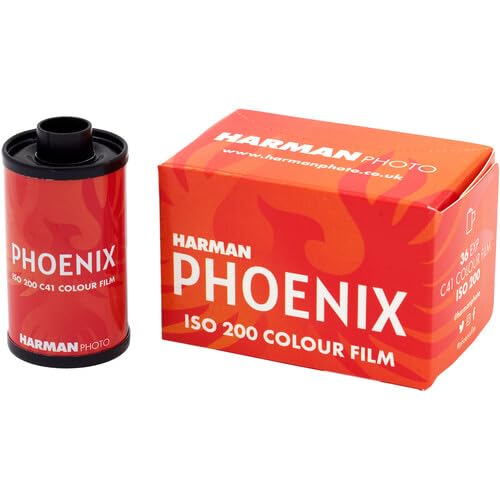
Harman Phoenix 200 is a C-41 process color negative film with a distinctive, punchy contrast and visible grain. It provides 36 exposures per roll and emphasizes bold color for creative, experimental, or nostalgic aesthetics.
Buying Guide: Key Considerations For 35mm 36-Exposure Films
Choosing the right 35mm film depends on your shooting style, lighting, and post-processing preferences. Color negative films like Kodak Ultramax, Fuji 400, Portra 400, and Ektar 100 offer broad latitude, color fidelity, and ease of development, making them suitable for beginners and enthusiasts alike. Black-and-white options such as Ilford HP5 Plus provide dramatic tonality and flexibility for push processing, ideal for moody portraits and street photography. Consider ISO ratings to balance grain, light sensitivity, and speed for your typical shooting environments.
Grain and latitude influence image character. Higher ISO films (ISO 400) excel in dynamic lighting and action, while lower ISO (ISO 100–200) yields finer grain and richer tonality in bright light. Color film choice affects skin tones, blues, greens, and overall color balance. Portra 400 emphasizes natural skin tones, while Ektar 100 offers highly saturated color with very fine grain, especially for landscapes.
Practical factors include availability and packaging. Packs of multiple rolls reduce the need for frequent restocks and simplify travel planning. Ensure your camera supports the film’s ISO and the development lab’s capabilities for color or black-and-white processing. For enthusiasts, experimenting with different brands and emulsions can reveal preferred aesthetics for portraits, landscapes, or documentary work.
Finally, workflow considerations matter. If you shoot multiple rolls in one session, choose films with consistent development characteristics and reliable batch quality. For studio or controlled lighting, color balance and contrast may be more important than grain, while for street and documentary, latitude and push-processing potential can be decisive.